



Key highlights
- Learn how to strategically choose between a niche specialist or generalist approach to establish your freelancing foundation
- Discover how building a personal website and streamlined workflow enhances your credibility and operational efficiency
- Understand sustainable pricing strategies and budget-friendly tools that support your long-term growth
- Explore essential contract practices and transparent communication techniques that build lasting client relationships
- Uncover proven channels like social media, job boards and online communities to secure consistent freelance opportunities
Starting a freelance career can feel both exciting and overwhelming at the same time. One moment you’re dreaming of flexible hours and creative freedom. The next, you’re staring at an empty inbox, wondering where to find your next client.
If that’s you, take a breath. You’re not doing it wrong. Freelancing isn’t about having it all figured out from day one. It’s about learning as you go, finding what works for you and making smart, sustainable choices that support both your passion and your paycheck.
In this blog, we’ll walk through practical and beginner-friendly freelancing tips to help you grow with confidence. We’ll also introduce you to a simple yet powerful way to build your professional presence online.
What are the best freelancing tips for beginners?
The best freelancing tips for beginners go beyond just landing more gigs. They’re about understanding your strengths, setting up smart systems and learning to balance the creative and business sides of your work.
Let’s break it all down, one tip at a time.
1. Define your freelancer niche for targeted client attraction
A niche is the specific area you want to focus on, such as content writing for SaaS brands or UI/UX design for mobile apps. The more specific you are, the easier it becomes to attract the right clients.
Clients look for experts who understand their industry, audience and goals. Niche expertise builds trust, helps you stand out in a crowded marketplace and allows you to charge higher rates as a specialist.
What to do next?
Look at the overlap between what you’re good at, what you enjoy doing and what people are willing to pay for. That is where your niche lies.
Let’s say you’re great at writing and you enjoy reviewing tech gadgets. Some tech companies pay for the content that drives product sales.
The overlap?
- You have strong writing skills (what you’re good at).
- You love testing and talking about the latest gadgets (what you enjoy).
- There’s a market for gadget reviews and affiliate content (what people will pay for).
Hence, your niche: Tech product reviews and affiliate blogging for consumer electronics.
2. Become a generalist or a specialist freelancer
As a freelancer, one of the big questions you’ll face early on is: should you be a generalist or a specialist?
A generalist offers a broad range of services. For example, a digital marketer may handle SEO, email campaigns, social media and PPC ads. This approach can help when you’re starting out as it opens more opportunities and lets you test new skills and industries.
On the other hand, a specialist focuses on one area and becomes an expert in it. This can be a copywriter who only writes product descriptions for eCommerce brands, or a developer who exclusively builds WooCommerce stores. Specialists often charge higher rates and attract clients looking for deep expertise.
Both paths have their pros and cons:
| Generalist | Specialist |
| More varied and smaller projects | Easier to build authority |
| Flexible in different industries | Easier to market yourself |
| Slower to build expertise | Often higher-paying gigs |
What to do next?
If you’re not sure which path to choose, start broad and watch where the demand and your interest naturally converge. You can always niche down as you gain clarity and experience.
Also read: How to Become a Freelance Web Developer
3. Build a freelancer portfolio website
Your portfolio is the first thing potential clients see. While you can start out using platforms like Behance or Dribbble, having your own business website gives you more control over your brand and credibility.
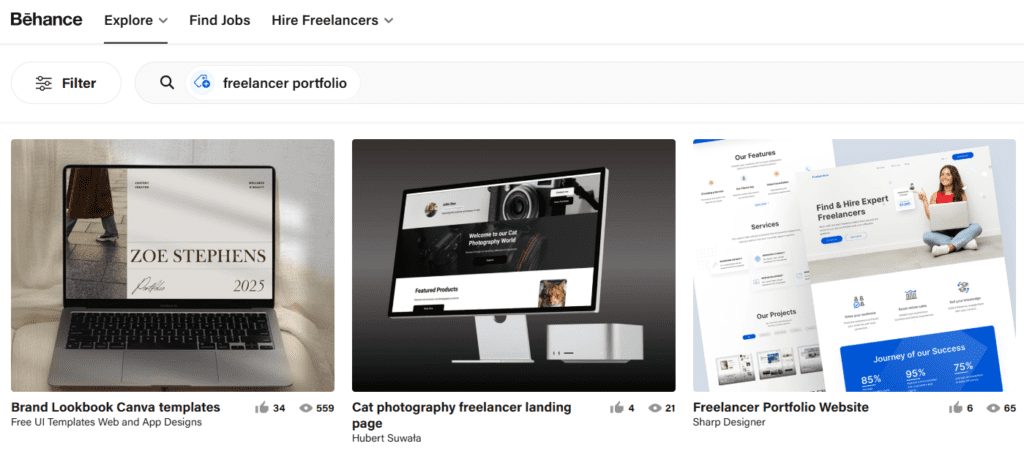
A good portfolio website doesn’t have to be fancy. It just needs to do a few things well:
- Showcase your best work.
- Clearly explain the services you offer.
- Include a short bio and professional photo.
- Make it easy for people to contact you.
What to do next?
Use a simple website builder like WordPress. Keep your site clean, easy to navigate and updated regularly. Even one or two strong case studies can make a big impact.
Let’s say you’re a freelance illustrator. Instead of just uploading random sketches, you can organize your portfolio into categories like ‘Book Covers’, ‘Editorial Art’ and ‘Brand Illustrations’. This helps potential clients quickly see if your style fits their needs.
Also read: How to Build a Web Developer Portfolio
4. Create a freelancer workflow system
Freelancing isn’t just about doing the work—it’s also about managing how the work gets done. That’s why you need a clear, repeatable process to manage your freelancing business. It helps you stay organized, save time and deliver consistent results to your clients.
A process may include:
- Defining how you onboard a new client.
- Outlining the questions you ask before starting a project.
- Specifying when and how you provide updates.
- Clarifying how you handle revisions and feedback.
- Describing what your final delivery looks like.
What to do next?
You don’t need anything fancy. A checklist in Notion or Google Docs is a great place to start. Just make sure your process is clear, repeatable and easy to communicate.
For example, you can create a Google Doc titled ‘Client Workflow’ and add your steps like:
- Send a welcome email with the contract and payment link.
- Share a kickoff questionnaire (for example, project goals, deadlines, brand preferences).
- Schedule a kickoff call.
- Provide weekly updates via email every Friday.
- Include 2 rounds of revisions.
- Deliver final files via Google Drive with a short Loom walkthrough.
Start simple and refine it as you go. A solid process makes you look more professional and shows that you understand things from a client’s perspective.
5. Pick freelancing tools within your budget
As a freelancer, you don’t need to invest in every shiny new tool out there. Start with the free or low-cost tools that help you work efficiently without draining your wallet.
Choose tools that save you time, help you stay organized and support your service delivery. Here are some essential categories:
- Time management and tracking: Clockify or Toggl to monitor how long projects take.
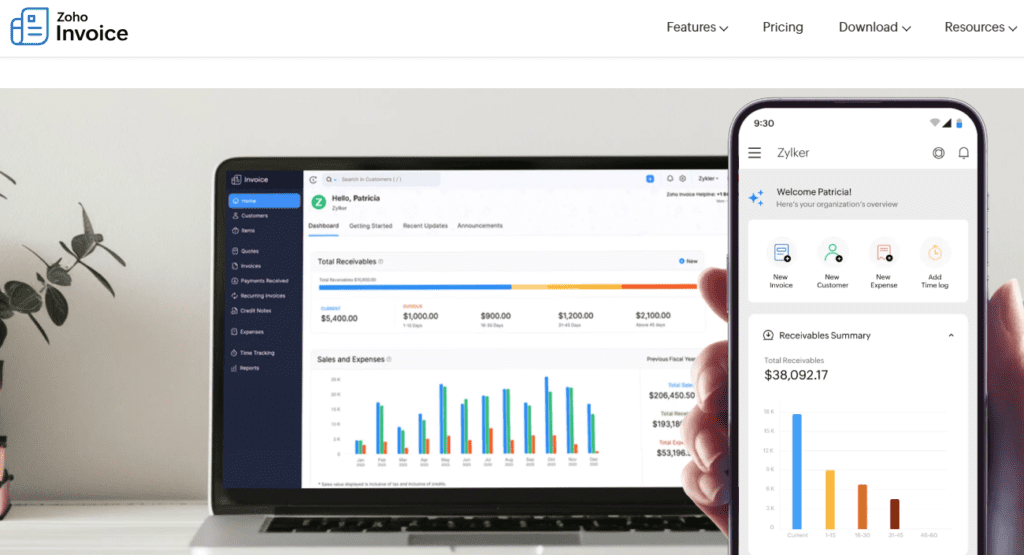
- Invoicing and payments: Wave, PayPal or Zoho Invoice for professional billing and overdue payments management.
- Design and visuals: Canva (the free version is fantastic), GIMP or Figma for creating stunning graphics and mockups.
- File sharing: Google Drive or Dropbox for smooth collaboration with clients.
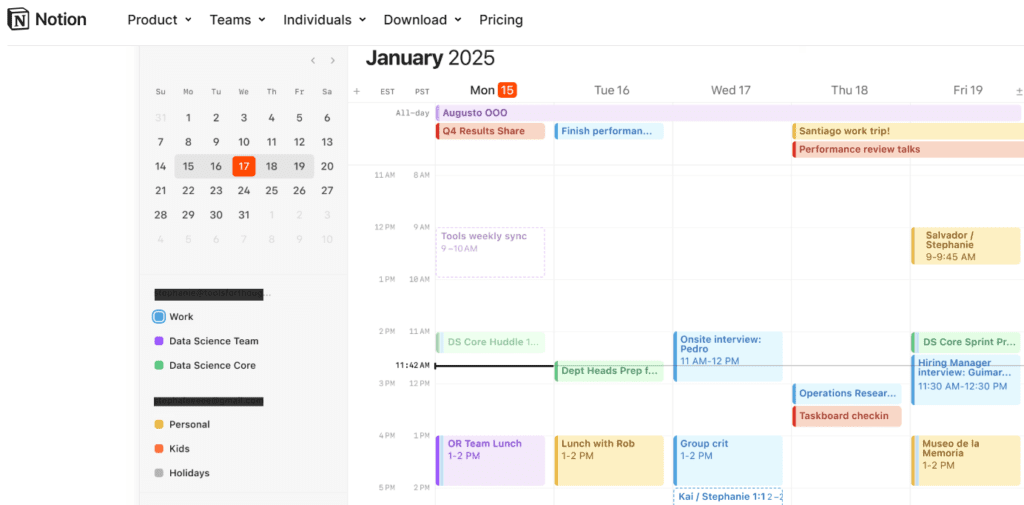
- Project management tools: Trello, Notion or Asana for planning and keeping track of tasks.
What to do next?
Start with just 3–5 essential tools that solve a real problem for you. For example:
- Use Notion to organize client workflows.
- Track your hours with Clockify.
- Send professional invoices using Zoho Invoice.
As your workload grows, revisit your toolkit every few months. If a free tool is limiting your efficiency, consider upgrading. But always ask: Will this tool save me time or help me earn more? Don’t fall into the trap of tool overload. Simpler is better, especially when you’re starting out.
6. Set competitive freelancer rates
One of the trickiest parts of freelancing is figuring out what to charge. Too low, and you risk burnout. Too high, and you will scare off potential clients. The sweet spot? A rate that reflects your skills, experience and the value you bring to the table.
If you’re not sure where to begin, try this simple formula many freelancers use to calculate a starting hourly rate:
(Target annual income + business expenses) ÷ billable hours per year = hourly rate
Let’s say you want to make $80,000 per year and expect to have around $10,000 in business expenses (software, pay taxes, equipment, etc.).
That means your total income goal is:
$80,000 (target income) + $10,000 (expenses) = $90,000
Now, assume you can realistically work 25 billable hours per week (after accounting for admin time, marketing, breaks, etc.), and you work 48 weeks per year.
25 hours × 48 weeks = 1,200 billable hours per year
Now, plug it into the formula:
$90,000 ÷ 1,200 hours = $75/hour
Your minimum hourly rate should be $75 to hit your income goal and cover expenses.
What to do next?
Once you’ve got your baseline, do a little market research. Check what other freelancers in your niche and experience level are charging. Platforms like Upwork, Fiverr and LinkedIn can give you a rough idea.
Remember those numbers are just a guide, not a rule. Your rate should reflect more than just your time. It should help you maintain a healthy cash flow and account for non-billable hours.
As you grow in experience and confidence, don’t hesitate to raise your rates.
7. Prepare a freelancer contract
This is one of the most important parts of freelancing. A contract protects both you and your client. It sets clear expectations, outlines the scope of work and helps avoid those awkward ‘Wait, this wasn’t part of the deal’ moments.
At the very least, your contract should include:
- A job description (what you’ll do)
- The timeline and deadlines
- Payment terms (rate, due dates, late fees if any)
- Revision policy
- Cancellation or termination clauses
What to do next?
You don’t need a lawyer to get started. You can use templates from platforms like Bonsai, AND.CO or even simple docs on Google Drive. Just make sure you customize them for each project.
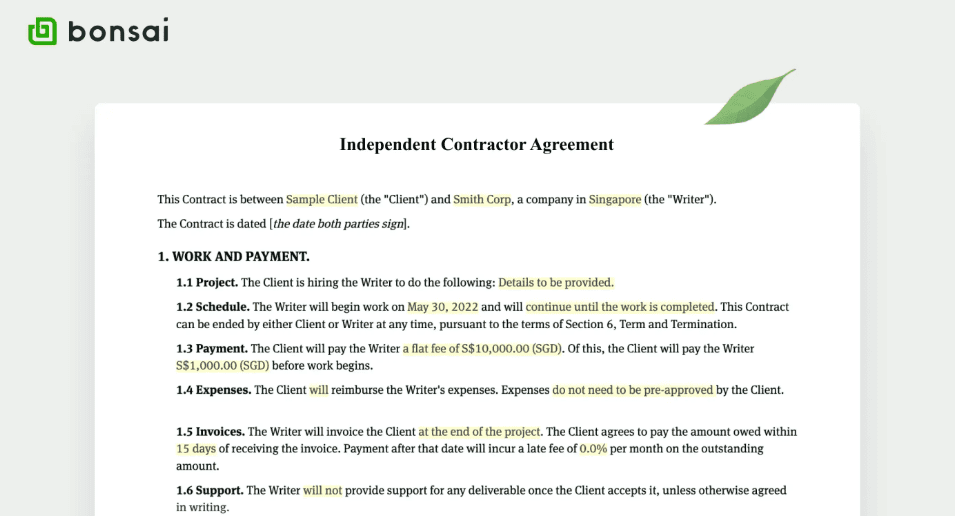
For example, if you’re designing a website, you can include:
- Project scope (like 5 pages and mobile optimization)
- Timeline (4 weeks)
- Payment schedule (50% upfront, 50% on delivery)
- Number of revisions are included (for example, 2 rounds)
Having this in writing ensures clarity, reduces risk and sets the tone for a professional working relationship.
8. Use social media platforms to grow your freelance brand
Platforms like LinkedIn, Instagram, X (formerly Twitter) and even YouTube can help you build your personal brand, attract more clients and grow your professional network.
Start by picking one or two platforms where your ideal clients are most active. For example, if you’re a B2B copywriter, LinkedIn is the best platform for you. If you’re a visual artist or designer, Instagram or Pinterest will work better.
Post content that shows your expertise, such as project snippets, client testimonials, tips or case studies. Over time, this builds trust and keeps you on top of mind when someone needs what you offer.
What to do next?
Choose one platform to focus on this week. Update your profile with a clear headline and short bio that explains what you do and who you help.
Then, create one post that highlights your work or offers a helpful tip.
You don’t need to go viral. Just be helpful, relevant and visible. Even a small, engaged audience can lead to high-quality leads.
Also read: Ways to Build your Brand Presence on Social Media
9. Find the right freelancing job boards
Job boards can feel like both a blessing and a maze to new freelancers. They give you direct access to potential clients. But it’s also easy to get lost in low-paying gigs or endless applications.
The key is to focus on quality platforms that align with your niche and experience level. Here are a few to explore:
- For general freelance work: Upwork, Freelancer, PeoplePerHour
- For creatives: Fiverr, Behance, 99designs
- For tech & development: Toptal, Gun.io, Arc.dev
- For writers: ProBlogger, Contena, Freelance Writing Jobs
- For remote work across industries: We Work Remotely, Remote OK, SolidGigs
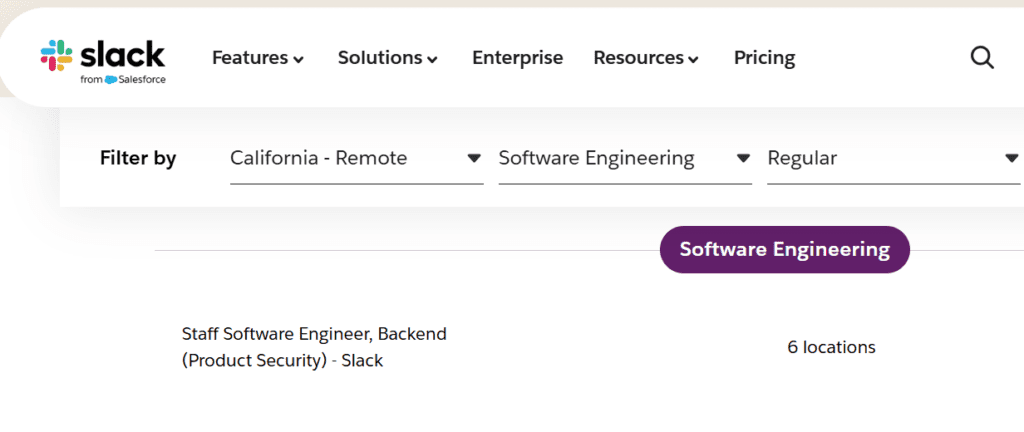
But don’t stop there. Some of the best gigs come from niche job boards or even community Slack groups, Reddit threads and Discord servers.
What to do next?
Pick two job boards that best match your skills and niche. Create or polish your profile.
Apply to fewer jobs but personalize each pitch. A thoughtful message tailored to the client’s needs will always stand out more than copy-paste applications.
Save promising listings and track your applications in a spreadsheet so you can follow up and learn what works over time.
10. Be transparent in your freelancing communication
Clear, honest communication can make or break your freelance relationships. Your satisfied clients are more likely to stick around and even recommend you to others.
Being transparent doesn’t mean oversharing every detail. It means:
- Setting realistic deadlines (and updating them if things change).
- Being upfront about your availability.
- Clarifying what’s included in your service and what’s not.
- Sharing progress without being asked.
- Admitting mistakes if they happen (and offering solutions).
Transparency builds trust and long-term client relationships, which are far more valuable than one-off gigs.
What to do next?
Review your current client communication. Are there any unclear timelines, assumptions or expectations? Send a quick update email or message to clarify key details.
Moving forward, create a simple communication checklist to use at the start of every project. Include things like scope, deadlines, update frequency and revision policy.
Essential skills for a thriving freelance career
Success as a freelancer requires mastering both technical expertise and essential soft skills that drive client satisfaction, project delivery and sustainable business growth.
1. Time management
- Prioritize tasks effectively when juggling multiple clients and deadlines
- Create and maintain structured schedules to meet expectations
- Allocate time wisely to avoid missing opportunities
2. Communication skills
- Provide clear project updates and maintain professional correspondence
- Set honest timelines and manage client expectations
- Build trust through transparent communication that keeps clients returning
3. Adaptability
- Pivot smoothly when project scopes change
- Work effectively across different industries and platforms
- Embrace new tools and methodologies as needed
4. Financial literacy
- Set sustainable rates that reflect your expertise
- Manage irregular income streams confidently
- Track expenses and handle taxes properly
5. Self-discipline
- Stay productive without direct supervision
- Maintain consistent work habits and routines
- Meet deadlines through personal accountability
6. Problem-solving abilities
- Tackle unexpected challenges independently
- Develop creative solutions for client needs
- Navigate obstacles without constant guidance
7. Continuous learning
- Keep skills relevant as markets evolve
- Invest in upskilling and professional development
- Stay current with industry trends and best practices
These fundamental freelancer tips form the foundation of how to work as freelancer with confidence and long-term sustainability at every career stage.
Checklist for your freelance business setup
Getting your freelance business foundation right from day one protects your future and sets you up for sustainable growth.
1. Choose your business structure
One of your first decisions as a freelancer is determining how to structure your business—whether as a sole proprietor, LLC or another entity. This choice directly affects your taxes, personal liability protection and how clients perceive your professionalism. While a sole proprietorship is the simplest option, forming an LLC can provide valuable liability protection and enhance your credibility with larger clients.
2. Set up a separate business bank account
Opening a dedicated business bank account is essential, not optional. Mixing personal and business expenses creates confusion during tax season and can undermine your credibility if you ever need to show financial records to clients or lenders. A separate business account helps you track income and expenses accurately, giving you clear insight into your actual profit margins and financial health.
3. Handle taxes and insurance
Understanding your tax obligations early prevents costly surprises later. Depending on your location, you may need to pay quarterly estimated taxes, collect sales tax or register for a business license. Consider getting professional liability insurance or general business insurance to protect yourself from potential claims. While these administrative tasks might feel tedious, they establish legitimacy and protect your growing freelance career.
Taking care of these administrative essentials early creates a solid foundation that supports long-term freelance success.
How Bluehost WooCommerce hosting can streamline your freelance career?
As a freelancer, your website isn’t just a portfolio—it’s your business hub. Whether you’re selling services, offering digital products or booking consultations, having the right platform can make everything easier. That’s where Bluehost WooCommerce hosting comes in.
Bluehost’s eCommerce hosting is built for creators, service providers and small business owners. It offers everything you need to run your freelance business smoothly and professionally.
Here’s what you get with Bluehost WooCommerce hosting:
- Free domain for 1st year: Start strong with a free domain to launch your brand online.
- Pre-installed WordPress + WooCommerce: Get your store or service site up and running in no time.
- Bluehost AI Website Builder: Build a beautiful, custom site in minutes—no coding needed.
- YITH Bookings + Jetpack CRM: Let clients book calls or sessions easily and manage relationships smoothly.
- Built-in payments with PayPal, Stripe & Razorpay: Accept payments globally with trusted gateways.
- Yoast SEO + Creative Mail: Boost your site traffic and send eye-catching emails with ease.
- YITH Subscriptions: Offer memberships, digital content or ongoing services with flexible subscriptions.
- YITH WooCommerce Affiliates: Grow your sales with a built-in referral system for affiliate marketers.
- Jetpack Backups + Free SSL: Enjoy automatic backups and strong security for peace of mind.
- 24/7 WordPress Expert Support: Get help whenever you need it—day or night.
Whether you’re selling design packages, writing services or downloadable products, this bundle gives you everything you need to scale.
How to start freelancing with no experience?
Breaking into freelancing without prior experience is entirely possible when you take a strategic approach to building credibility and showcasing your capabilities.
1. Build your portfolio with mock projects
Starting your freelancing journey without experience might feel intimidating but it’s more achievable than you think. The key is to build proof of your abilities before you land your first paying client. Create mock projects that showcase your skills—design sample logos, write practice blog posts or build demo websites that reflect the quality you can deliver. These portfolio pieces demonstrate your capabilities even without client testimonials.
2. Leverage your existing skills
Look closely at your previous work experience for transferable skills. Project management, client communication, problem-solving and deadline management are valuable freelancing skills in demand that you’ve likely already developed. Offer beta services at reduced rates to friends, local businesses or nonprofits in exchange for honest testimonials and case studies. These early projects become your credibility foundation.
3. Network strategically for opportunities
Network proactively through LinkedIn, freelance communities and industry forums where potential clients gather. Share your expertise through helpful comments and posts to build visibility. Remember that every successful freelancer started exactly where you are now. Start small with manageable projects, learn from each experience and gradually build your portfolio. Persistence and a willingness to learn will carry you further than a perfect resume ever could.
By combining portfolio development, skill leveraging and strategic networking, you can successfully launch your freelancing career even without formal experience.
Key factors for sustainable freelance success
Creating a thriving freelance career requires more than just securing clients—it demands a strategic approach to four essential pillars that ensure long-term sustainability and growth.
1. Continuous learning and skill development
The freelance landscape evolves rapidly, making continuous upskilling essential for staying competitive and relevant. Whether you’re mastering new tools, exploring emerging trends in your niche or earning certifications, investing in your professional growth pays dividends. Freelancing skills in demand today may shift tomorrow, so commit to lifelong learning as a core freelancer tip for sustained success.
2. Building a strong referral network
Your satisfied clients become your most powerful marketers when you deliver consistent quality and maintain genuine relationships. Word-of-mouth referrals often convert faster and at higher rates than cold outreach, making relationship-building one of the most valuable freelancing success tips. Focus on exceeding client expectations and nurturing connections that naturally generate new opportunities.
3. Maintaining work-life balance
Freelance burnout is real and can derail even the most promising careers. Protect your energy by setting clear boundaries, scheduling regular downtime and remembering that rest fuels both creativity and productivity. Work-life balance isn’t a luxury—it’s a necessity for understanding how to work as a freelancer sustainably over the long haul.
4. Smart financial planning
Freelance income naturally fluctuates, making strategic financial management crucial. Create an emergency fund to weather slow periods, set aside money for taxes and consider diversifying your income streams. These financial practices aren’t optional extras—they’re foundational elements of freelancing success that provide stability and peace of mind throughout your career journey.
Mastering these four pillars—continuous learning, referral networking, work-life balance and financial planning—transforms freelancing from a survival exercise into a thriving, sustainable career.
Final thoughts
Freelancing isn’t always easy but it’s one of the most rewarding paths you can take. These freelancing tips are meant to help you navigate challenges while building a career you love. You’ll learn how to manage your time, build genuine client relationships and shape a career on your own terms.
Every pitch, project and even the occasional rejection helps you grow into the business owner you’re becoming. This journey takes effort, but the right tools can make it a whole lot smoother.
Bluehost WooCommerce hosting is a complete, beginner-friendly bundle designed to help freelancers like you launch fast, look professional and scale with confidence.
Ready to take the next step? Get started with Bluehost WooCommerce hosting and build a freelance site that works as hard as you do.
FAQs
The best freelancing skill depends on your strengths and what clients need. Popular skills include writing, web development, graphic design, digital marketing, video editing and virtual assistance. You can learn them from online courses on LinkedIn Learning.
Yes, freelancing can feel tough at first—you’re juggling client outreach, pricing and project delivery all at once. But with the right mindset and tools, it gets easier and more fulfilling.
The best way to start freelancing is to choose a clear service, build a simple portfolio and find clients on job boards or freelancer platforms. Use contracts, communicate well and treat it like a real business.
Yes, a website helps freelancers look professional, build trust and attract clients directly. It acts as your online portfolio, business card and contact point all in one.
Freelancing for free is okay only if it’s strategic—like building your portfolio or working with a dream client. Always value your time, and keep unpaid work limited and intentional.
Freelancing tips for beginners include finding your niche, setting fair rates, using contracts, building a portfolio website and maintaining clear client communication. These tips help you work more efficiently and grow your freelance career with confidence.



Write A Comment