


Key highlights
- Understand how SEO performance in 2026 is measured through visibility, traffic quality and business impact.
- Know why rankings matter more when paired with search intent and conversions.
- Explore why branded search growth and AI visibility are now important parts of SEO measurement.
- Learn how Search Console and GA4 help connect organic visibility with on-site performance.
- Uncover why page-level reporting gives better insight than broad sitewide numbers.
- Discover how Yoast SEO Premium can simplify ongoing optimization and support long-term SEO growth.
SEO performance used to feel easier to measure. You looked at rankings, organic traffic and maybe a few conversions. In 2026, that approach falls short. Search journeys are more fragmented, clicks are harder won and visibility alone does not always tell you whether SEO is really moving the business forward.
That is exactly why old-school SEO reporting no longer tells the full story.
If you want to measure SEO performance in 2026, you need to look beyond traffic spikes and vanity metrics. The real picture comes from understanding how your site performs across search visibility, traffic quality, engagement, conversions, branded demand and emerging AI search experiences. When you track the right SEO metrics, it becomes much easier to see what is working, what needs improvement and how organic search is contributing to actual business growth.
In this guide, we will break down how to measure SEO performance in 2026, which metrics matter most, which ones matter less and how to build a reporting approach that connects SEO efforts to meaningful results.
Why SEO performance looks different in 2026?
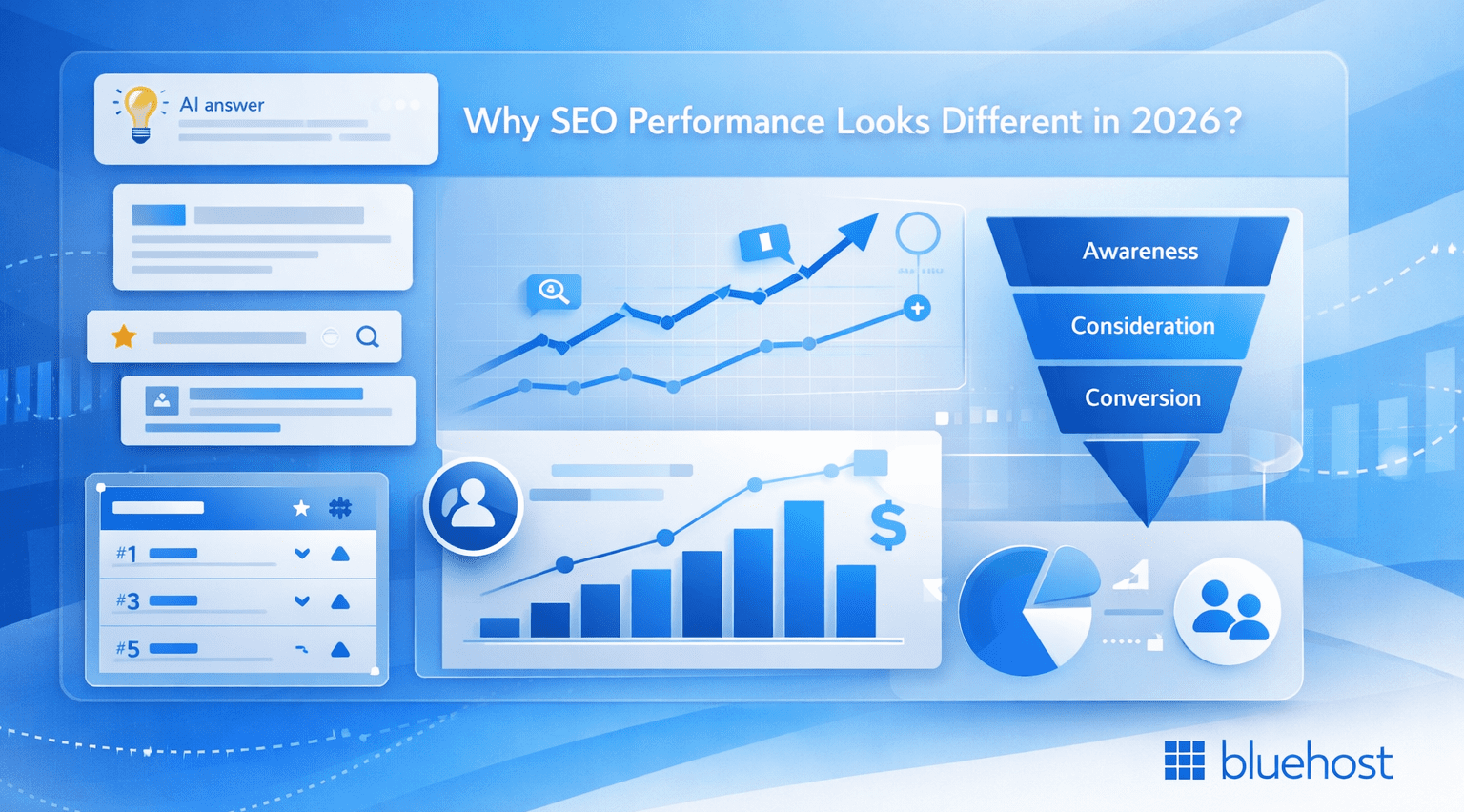
Measuring SEO performance used to feel more straightforward. But, in 2026, search performance is more layered. A page might earn impressions without a click, influence a later branded search or help a customer discover your business before they convert through another channel. That means SEO reporting has to look at the bigger picture. Instead of asking only, “Did rankings go up?” we now need to ask, “Did we earn visibility for the right searches, attract the right visitors and create measurable business impact?
AI Overviews and zero-click SEO
One of the biggest reasons SEO measurement changed is that a search result does not always lead to a click anymore. AI Overviews and other rich search features can answer part of the question right on the results page. So while your content may still be influencing discovery, fewer users may actually visit your site in that same moment. That makes raw traffic a weaker standalone metric than it used to be.
This is where context starts to matter more. If impressions are rising, branded searches are increasing and conversions remain healthy, SEO may still be doing its job even when clicks are flatter than expected. A drop in clicks does not always mean a drop in impact. Sometimes it means search behavior has changed.
Also read: How to Show Up in AI Answers in 30 days with Verifiability
Rankings with business context
Rankings help you understand whether your pages are gaining visibility and whether your SEO work is moving in the right direction. But rankings on their own can be misleading. A number one position for a low-intent keyword may do far less for the business than a lower ranking for a query that brings in qualified buyers.
What matters more now is ranking in context. Are you ranking for topics that match real customer intent? Are those rankings driving meaningful visits? Are high-value pages improving or are only low-priority terms moving up? In 2026, strong SEO measurement means tying rankings back to page purpose, search intent and business value. Otherwise, it is too easy to celebrate movement that does not actually help growth.
SEO across the full funnel
SEO is no longer just a top-of-funnel traffic play. It can shape discovery, support evaluation and influence conversions across the customer journey. A user may first encounter your brand through an informational search, return later through a branded query and convert after multiple touchpoints. If your reporting only focuses on last-click outcomes, you miss a big part of SEO’s contribution.
That is why SEO performance in 2026 needs a fuller-funnel view. Visibility still matters. So does engagement. But so do branded demand, assisted conversions and the way organic search supports trust before a purchase decision. The better your reporting reflects that journey, the easier it becomes to understand what SEO is really contributing and where to invest next.
Also read: How Hosting Affects SEO Performance & Web Rankings
What SEO performance means in 2026?
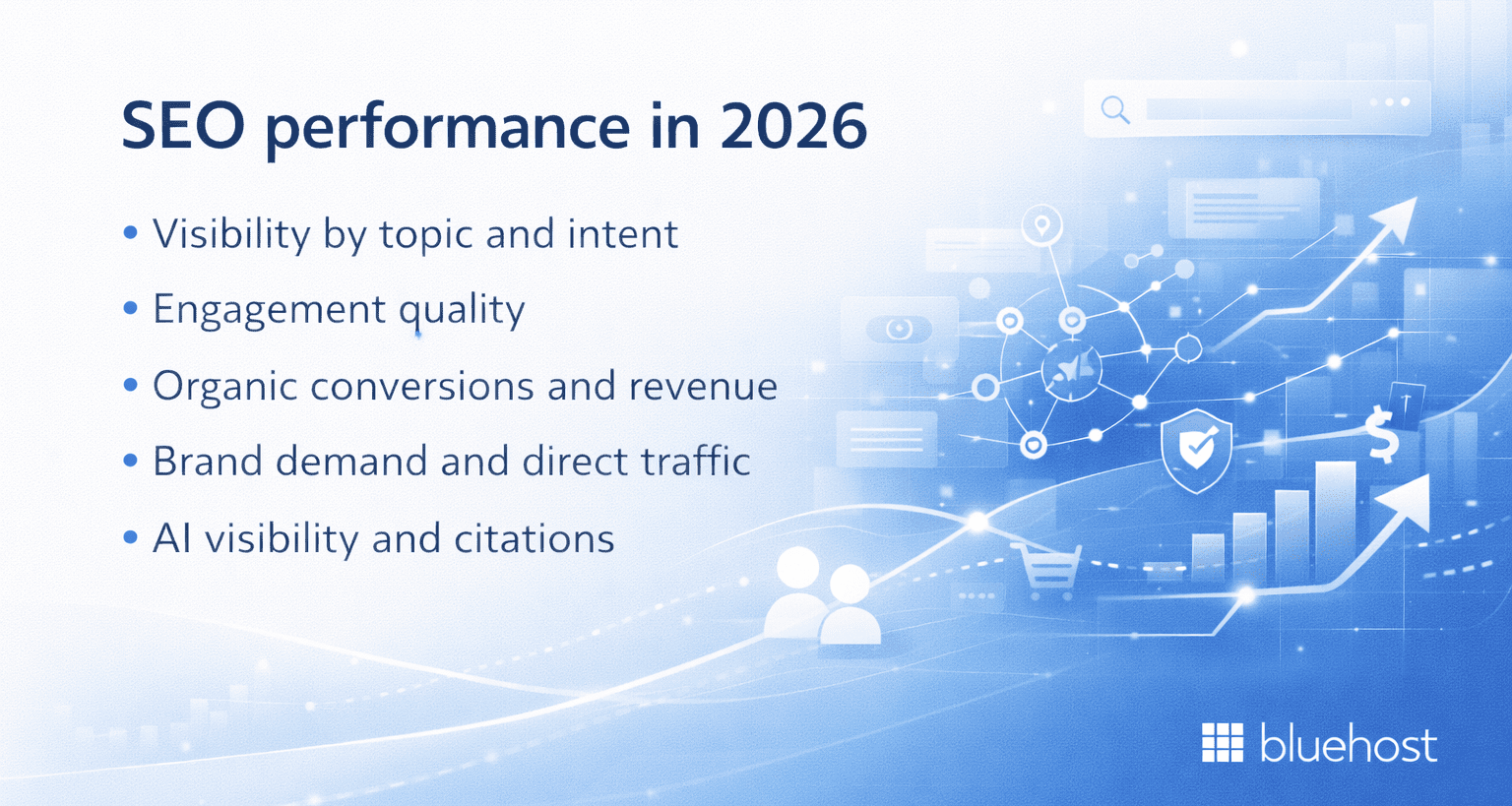
SEO performance in 2026 is bigger than rankings and traffic alone. A user might see your page in search, encounter your brand again in an AI-generated answer, come back later through a branded query and only then convert. So when we talk about SEO performance in 2026, we are really talking about how well your brand shows up, earns trust and drives action across the entire search journey.
Visibility by topic and intent
Visibility still sits at the core of SEO performance, but in 2026 it needs to be measured with more precision. It is not just about whether your site ranks. It is about whether you appear for the right topics, the right search intent and the right stage of the customer journey. Google Search Console still gives the baseline metrics here, including clicks, impressions, CTR and average position, but those numbers become much more useful when you group them by page type, topic cluster and keyword intent.
A page that gets strong visibility for high-intent searches is usually more valuable than one that racks up impressions for broad queries with little business value. That is why visibility by topic and intent gives you a better read on real SEO progress. It helps you see where you are building authority, where content gaps still exist and whether your strategy is reaching the audience you actually want.
Engagement quality
Traffic alone is not enough to prove SEO success anymore. What matters is whether the people arriving from search are actually engaging with your content in a meaningful way. That can include engaged sessions, time spent on key pages, scroll depth, return visits and how users move from an entry page to the next step on your site.
This is one area where 2026 reporting needs more discipline. A spike in organic visits can look great in a dashboard, but if those visitors leave quickly or never move deeper into the site, the traffic is not doing much for the business. High-quality engagement is often a better sign that your content is aligned with intent and that your SEO work is attracting the right audience in the first place.
Organic conversions and revenue
At some point, SEO measurement has to connect back to results that matter to the business. That might mean leads, demo requests, purchases, signups or pipeline influenced by organic search. This is where organic conversions and revenue become essential, especially as more teams are being asked to prove SEO ROI with the same rigor as paid channels. Search Engine Land explicitly argues that revenue-focused metrics should replace weaker vanity indicators in 2026.
That does not mean every page needs to convert on the first visit. It means your reporting should show how organic traffic contributes to the larger path to conversion. Some pages generate direct revenue. Others assist conversion by educating visitors early in the journey. Both matter. When you measure SEO through conversions and revenue, you move from reporting activity to reporting impact.
Brand demand and direct traffic
SEO performance also shows up in how people search for your brand later. That is why brand demand has become a more useful signal in 2026. If your non-branded content is doing its job, more people may remember your business, search for your name directly and come back with higher intent. Activate Digital Media highlights branded demand as one of the more important modern SEO signals, and that makes sense in a search environment where not every discovery turns into an immediate click.
Direct traffic should not be treated as a pure SEO metric by itself, but when it rises alongside branded search growth and stronger organic visibility, it can help tell a fuller story. Together, these signals show that SEO is doing more than driving one-off visits. It is helping build familiarity, trust and recall, which often leads to better conversion behavior down the line.
Also read: Website Branding Guide: Build a Powerful & Memorable Online Identity
AI visibility and citations
One of the clearest changes in 2026 is that search visibility now extends beyond the classic blue link. Brands also need to understand whether they are being surfaced in AI Overviews and other AI-driven search experiences. Competitor content is increasingly treating AI visibility as part of the SEO measurement mix, especially because users may get recommendations or summaries before they ever decide to click through.
This is still a developing area, so not every team will have perfect tracking in place. But it is worth watching whether your brand is cited, mentioned or represented accurately in AI-generated answers for priority topics. Even if measurement here is less standardized than Search Console or GA4 data, it gives an early signal of how visible and trustworthy your brand appears in the newer layers of search.
Also read: Google AI Latest Update: What Website Owners Must Know
The 5 metric groups to use when you measure SEO performance in 2026
The easiest way to make SEO reporting more useful in 2026 is to stop treating every metric the same. Some metrics tell you whether people can find you. Some tell you whether the right people are engaging. Others show whether SEO is actually helping the business grow.
| Metric group | What it tells you | Key metrics to track |
|---|---|---|
| Search visibility metrics | Whether your content is showing up for the right audience | Impressions, clicks, average position, CTR, non-branded visibility, topic-cluster visibility, share of voice |
| Traffic quality metrics | Whether organic visitors are engaging with your content | Engaged sessions, landing-page engagement, scroll depth, return visits, path to conversion |
| Conversion and revenue metrics | Whether SEO is contributing to leads, sales and growth | Organic conversions, qualified leads, assisted conversions, revenue, pipeline, CAC efficiency |
| Brand demand metrics | Whether SEO is increasing awareness and brand recall | Branded search growth, direct traffic trends, branded CTR, share of search |
| AI and SERP presence metrics | Whether your brand is visible across modern search experiences | AI Overview citations, LLM mention frequency, featured snippets, People Also Ask visibility, entity accuracy |
A practical way to measure SEO performance in 2026 is to group your reporting into five buckets: visibility, traffic quality, conversions, brand demand and AI or SERP presence.
1. Search visibility metrics
Search visibility metrics tell you whether your content is appearing in front of the right audience. This is where the foundation starts. Google Search Console gives you the core numbers here, including impressions, clicks, average position and CTR. Those four metrics are still useful in 2026, but they get much more valuable when you break them out by non-branded queries, topic clusters and page intent instead of looking at sitewide totals alone.
- Track impressions and clicks to understand how often your pages are being seen and visited
- Monitor average position and CTR together, not separately, for a more accurate read on performance
- Segment non-branded visibility to measure new audience discovery
- Review topic-cluster visibility and share of voice to see where your authority is growing
These metrics help you understand whether your SEO strategy is building the right kind of visibility. Without that foundation, it is hard to know whether later engagement or conversion trends are sustainable.
2. Traffic quality metrics
Traffic quality metrics help you understand whether organic visitors are actually engaging once they arrive. This matters because more traffic does not always mean better SEO performance. If visitors land on the page and leave without doing much, the traffic may look impressive in a report without creating much value in reality.
- Measure engaged sessions to see whether users are meaningfully interacting with your site
- Look at landing-page engagement to find which pages are holding attention
- Track scroll depth to understand whether visitors are consuming the content
- Review return visits and path to conversion to see whether organic traffic is moving deeper into the journey
High-quality traffic is often a stronger signal than high-volume traffic alone. It shows that your content is attracting the right people and matching the intent behind the search.
3. Conversion and revenue metrics
This group is where SEO performance becomes business performance. Organic conversions, qualified leads, assisted conversions, revenue, pipeline and CAC efficiency all help answer the question leadership actually cares about: is SEO driving growth?
- Track organic conversions to measure direct actions from search traffic
- Monitor qualified leads, not just total leads, to understand business value
- Include assisted conversions so early-funnel SEO content gets proper credit
- Tie SEO to revenue, pipeline and CAC efficiency wherever possible
If your reporting stops at traffic, it only tells part of the story. Conversion and revenue metrics make it easier to show how SEO contributes to real business outcomes.
4. Brand demand metrics
Brand demand metrics show whether SEO is increasing familiarity and trust over time. This category matters more in 2026 because not every search interaction leads to an immediate click. A person might discover your content through a non-branded query, remember your brand and come back later through a branded search or direct visit.
- Measure branded search growth to spot rising awareness
- Watch direct traffic trends alongside organic visibility for added context
- Track branded CTR to understand how strongly users respond to your brand in search
- Use share of search as a broader indicator of brand presence in your market
This group helps connect SEO to long-term brand growth, not just short-term traffic. It is especially useful when search journeys stretch across multiple visits and touchpoints.
5. AI and SERP presence metrics
SEO performance in 2026 is not limited to the classic blue link anymore. Brands also need to know how often they appear in richer search results and AI-driven experiences. That includes AI Overview citations, LLM mention frequency, featured snippets, People Also Ask visibility and entity accuracy.
- Track AI Overview citations for your most important topics and pages
- Monitor LLM mention frequency to see how often your brand appears in AI-generated answers
- Review featured snippets and People Also Ask visibility as key SERP presence signals
- Check entity accuracy to make sure your brand is represented correctly across search experiences
These metrics are still evolving, but they are becoming harder to ignore. In 2026, strong SEO performance is also about being visible before the click ever happens.
Also read: How to Use AI to Create an Online Store That Sells in 2026 (No Coding)
How to measure SEO performance step by step?
Measuring SEO performance in 2026 works best when you follow a clear process. Instead of pulling random metrics into one report, build a framework that connects search visibility to engagement, conversions and business goals. This makes your reporting easier to understand and much more useful over time.
Step 1: Start with business goals
Before you choose SEO KPIs, get clear on what success actually looks like for the business. SEO metrics should support larger goals, not exist on their own. A lead generation site, an eCommerce store and a content-driven brand will all measure performance a little differently.
- Define the main goal first, such as leads, sales, signups or brand growth
- Choose SEO KPIs that support that goal directly
- Avoid reporting metrics that look good but do not show business impact
- Align expectations early with stakeholders or clients
When business goals come first, the rest of your SEO measurement becomes much easier to shape and explain.
Step 2: Separate branded and non-branded performance
Branded and non-branded traffic tell two very different stories. Branded performance usually reflects existing awareness, while non-branded performance shows how well SEO is helping new users discover your business.
- Track branded and non-branded clicks separately
- Review keyword visibility for each group on its own
- Measure branded search growth as a sign of rising demand
- Use non-branded performance to evaluate discovery and content reach
This split gives you a much more honest view of what SEO is contributing. Without it, reporting can hide both strengths and gaps.
Step 3: Map metrics to the funnel
Not every SEO metric belongs in the same part of the customer journey. Some metrics show early visibility, while others reflect deeper engagement or conversion intent.
- Use impressions and rankings for top-of-funnel visibility
- Use engagement metrics for mid-funnel interest and content quality
- Use leads, sales or signups for bottom-funnel impact
- Include assisted conversions where SEO supports the journey indirectly
Mapping metrics to the funnel helps you understand what each page or content type is actually doing. It also keeps teams from judging every page by the same standard.
Also read: What Is Sales Funnel Management? Stages, Best Practices and Tools
Step 4: Track by page type and search intent
Sitewide averages can hide important details. A blog post, product page and service page do not serve the same purpose, so they should not be measured the same way either.
- Group pages by type, such as blog, product, service or landing page
- Review performance by search intent, including informational, commercial and transactional
- Compare similar pages instead of unrelated ones
- Look for patterns in which page types drive engagement or conversions
This makes reporting much more actionable. It shows where SEO is working, where content needs improvement and which page groups deserve more attention.
Step 5: Connect Search Console and GA4
To measure SEO properly, you need both search visibility data and on-site behavior data. Search Console shows how people find you in search, while GA4 shows what they do after they arrive.
- Use Search Console for impressions, clicks, CTR and average position
- Use GA4 for engaged sessions, conversions and landing-page behavior
- Review both together instead of in isolation
- Build reports that connect visibility to outcomes
This is where SEO reporting starts to become more complete. One platform shows discovery, the other shows performance after the click.
Also read: Best SEO Software: 17 Top Tools to Boost Rankings 2026
Step 6: Add AI visibility tracking
SEO measurement in 2026 is not complete without looking at AI-driven search visibility. That includes whether your brand appears in AI Overviews, rich SERP features or other AI-generated search experiences.
- Track AI Overview appearances for important queries
- Monitor brand mentions and citations in AI-generated answers
- Review featured snippets and People Also Ask visibility too
- Use manual checks or tools depending on your workflow
This part of reporting is still evolving, but it matters more now than it did even a year ago. It helps you understand visibility beyond the traditional organic click.
Step 7: Review monthly and refine
SEO performance should be reviewed often enough to spot trends, but not so often that you react to every small fluctuation. Monthly reporting usually gives a better balance between speed and perspective.
- Review core metrics every month
- Compare trends, not just isolated numbers
- Look for movement across visibility, engagement and conversions together
- Adjust content, technical fixes or priorities based on what the data shows
A steady monthly review process makes reporting more useful and less reactive. Over time, it helps you build a clearer picture of what is actually driving SEO growth.
Also read: Fresh Content for SEO Ranking: Update vs Publish (2026 Guide)
The best tools to measure SEO performance in 2026
The right SEO tools make reporting easier, but no single platform tells the whole story. In 2026, measuring SEO performance properly means combining visibility data, on-site behavior, keyword tracking, business outcomes and AI-era search presence. The goal is not to use more tools for the sake of it. It is to use the right mix so you can connect search performance to actual results.
A strong setup usually starts with the essentials, then expands based on what the business needs to measure most. For some teams, that means proving revenue impact. For others, it means getting a clearer read on rankings, search visibility or AI search presence. The tools below help cover those different layers.
Google Search Console for visibility data
If you want to know how your site is performing in search results, Google Search Console is still the first place to look. It shows impressions, clicks, average position and click-through rate, which makes it essential for understanding whether your content is being discovered.
It is especially useful for spotting trends across queries, pages and devices. You can also separate branded and non-branded performance here, which gives you a clearer view of whether SEO is helping new users find you or simply capturing people who already know your brand.
Also read: Google Search Console Social Channels Update: What the New Insights Reveal
Google Analytics 4 for organic traffic and conversions
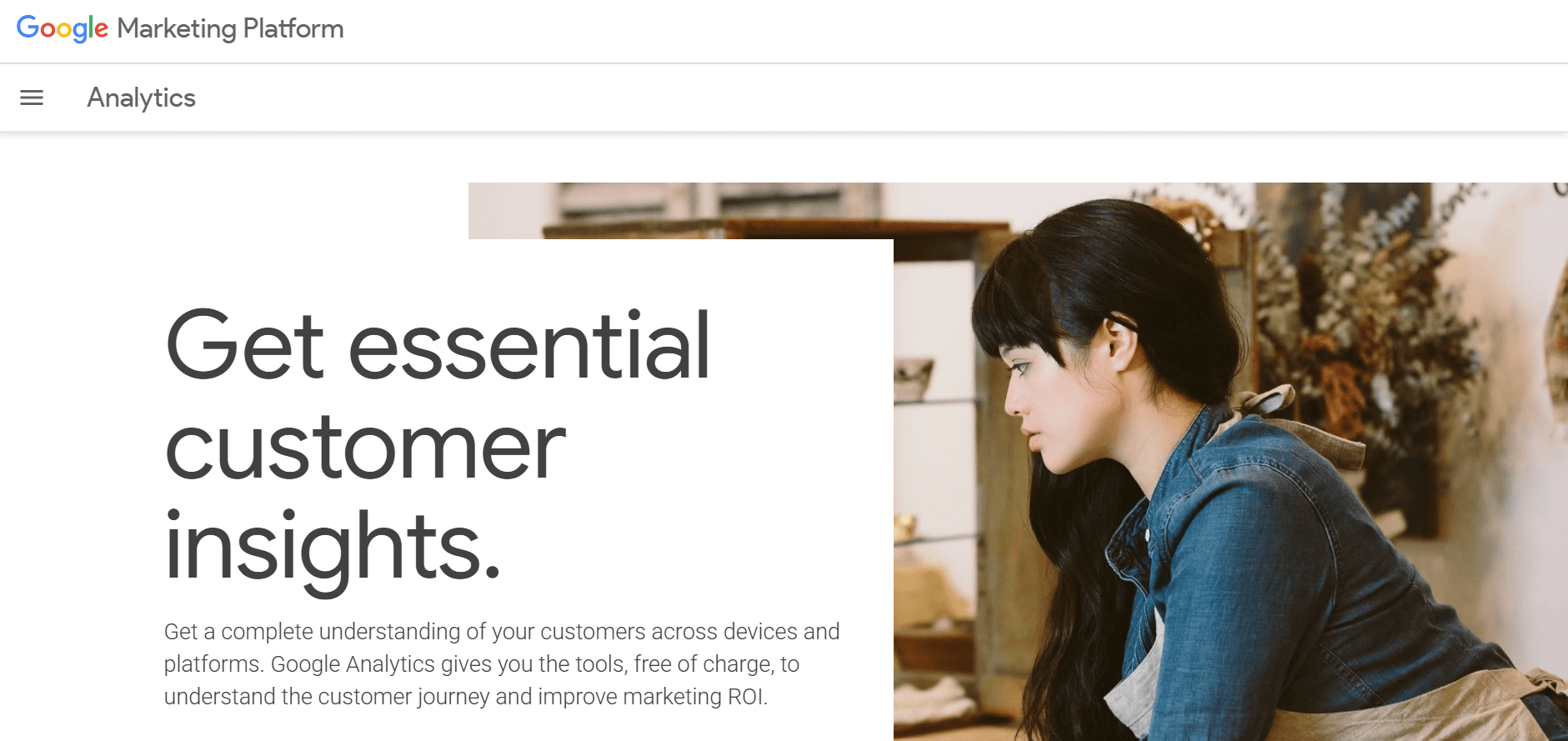
Search Console tells you how people found your site. Google Analytics 4 tells you what they did next. That makes it one of the most important tools for measuring traffic quality and conversion performance.
GA4 helps you look beyond visits and understand engaged sessions, landing-page performance, user journeys and conversion actions tied to organic traffic. This is where SEO reporting starts to connect visibility with actual on-site value.
Also read: Understanding Your Analytics: How to Track and Improve Performance
Rank tracking tools for keyword groups and SERP features

Tools like Ahrefs and Semrush are especially useful for tracking SEO performance beyond a handful of keyword positions. In 2026, they work best when used to monitor keyword groups, topic clusters and overall visibility trends instead of focusing too narrowly on single-term rankings.
They can also help you keep an eye on featured snippets, People Also Ask results and competitor movement across important search terms. When used with the right context, these tools make it easier to spot where visibility is improving, where it may be slipping and which areas need closer attention in competitive search results.
CRM and attribution tools for revenue and pipeline
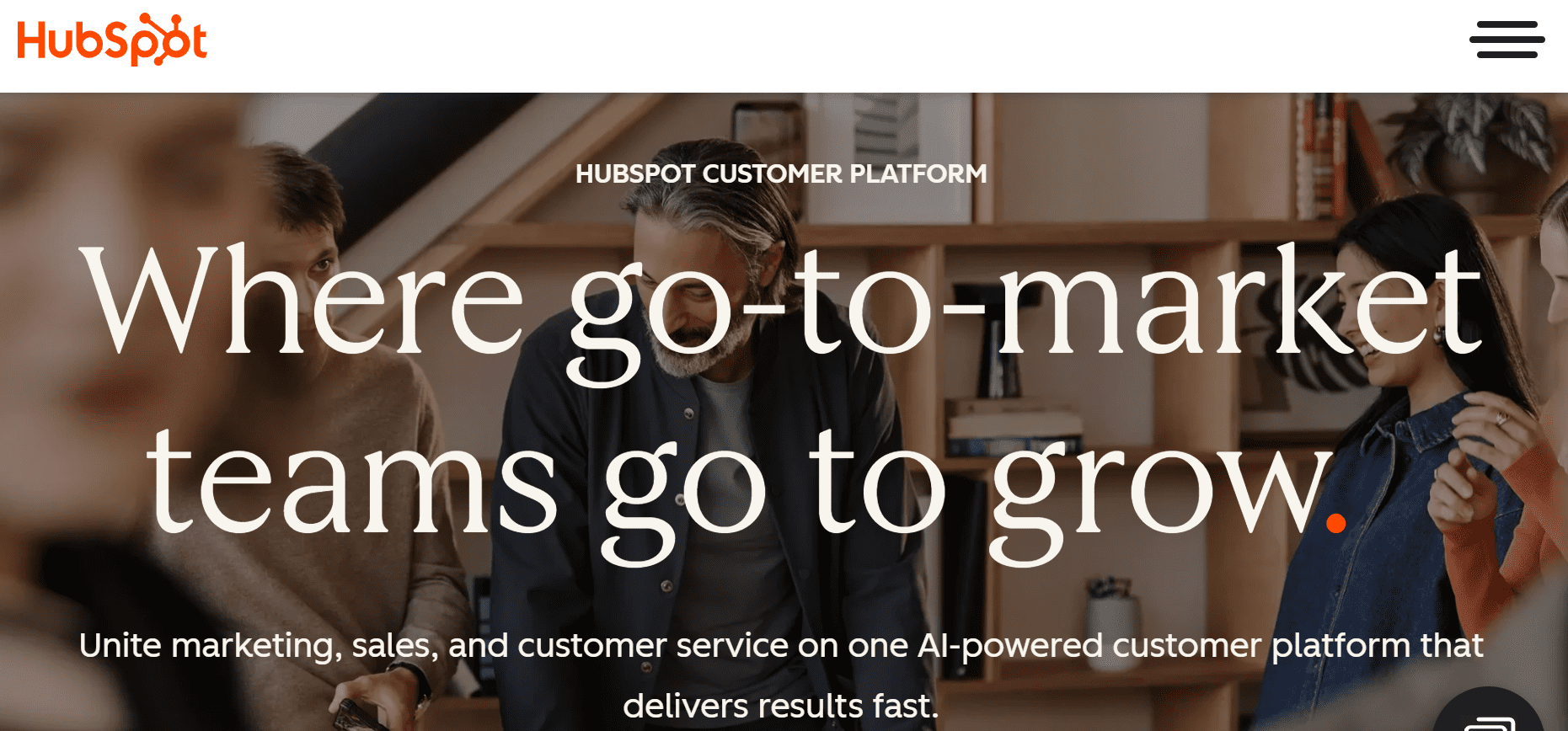
If your goal is to prove SEO impact to leadership, tools like HubSpot matter because they help connect organic traffic to qualified leads, pipeline and revenue. That fills one of the biggest gaps in SEO reporting by showing how search contributes beyond clicks and sessions.
With the right CRM and attribution setup, SEO reporting becomes much more meaningful for the business. Instead of stopping at conversions, you can start showing how organic search influences deal creation, pipeline growth and revenue over a longer buying journey.
AI visibility tracking methods for citations and mentions
SEO performance in 2026 is no longer limited to blue links and standard rankings. Brands also need to pay attention to whether they are appearing in AI-generated results, overview-style answers and other search features that influence discovery.
This part of measurement is still evolving, but it is becoming harder to ignore. Even a simple process for checking AI citations, brand mentions and accuracy across important topics can give you a better sense of how visible your brand really is in newer search environments.
Bluehost makes it easier to get started with SEO measurement through tools like the Free Website SEO Checker. It gives website owners a simple way to review core SEO basics, spot gaps and understand where their site may need improvement. For beginners or small business owners, that first snapshot can make SEO feel a lot less overwhelming.
Common mistakes when measuring SEO performance
Even with the right tools and metrics in place, SEO reporting can still go off track if the wrong signals get too much attention. One of the biggest problems in 2026 is not a lack of data. It is using the data in a way that oversimplifies how SEO actually works. Search journeys are more fragmented now, which means weak measurement habits can lead to the wrong conclusions pretty fast.
The good news is that most SEO reporting mistakes are fixable. Once you know what to look for, it becomes easier to build a reporting approach that is more accurate, more useful and much easier to explain.
1. Treating SEO as a traffic channel only
A lot of teams still measure SEO mainly through traffic. While traffic matters, it only shows one part of performance. A rise in sessions does not always mean SEO is working well, just like a dip in traffic does not always mean the strategy is failing.
SEO can influence discovery, trust, branded search behavior and conversions across more than one visit. If reporting only focuses on traffic totals, it misses the wider impact. That can lead to underreporting value or chasing volume that does not really move the business.
2. Ignoring branded search growth
Branded search growth often gets overlooked because it does not feel like a traditional SEO KPI. But in many cases, it is one of the clearest signs that SEO is building awareness and trust over time.
When more people search for your brand by name, it usually means your content is doing more than attracting one-off visits. It is helping people remember you. Ignoring that shift can make SEO look narrower than it really is, especially in longer customer journeys.
3. Reporting rankings without conversions
Rankings still matter, but they do not mean much on their own. A page can rank well and still bring in the wrong audience. It can also sit outside the top few positions and still drive qualified leads if the intent is strong enough.
That is why ranking reports without conversion context can be misleading. Movement in position should always be tied back to business value. Otherwise, it becomes too easy to celebrate wins that look good in a dashboard but do not lead to meaningful results.
4. Missing AI visibility and zero-click impact
Search performance is no longer limited to the standard click model. Users now discover brands through AI-generated summaries, rich search features and results that answer part of the question before a click ever happens.
If your reporting ignores AI visibility and zero-click behavior, it leaves out a growing part of the picture. You may think performance is weakening when in reality your brand is still being seen, cited or influencing future searches in less direct ways.
5. Looking at sitewide numbers instead of page-level performance
Sitewide reporting can be useful for spotting broad trends, but it often hides what is really happening. A few high-performing pages can make the whole site look healthy, while weaker pages quietly drag down results in important areas.
Page-level analysis gives you much better direction. It shows which content is earning visibility, which pages are holding attention and which ones are actually contributing to conversions. In most cases, that is where the clearest SEO insights come from.
How Bluehost helps you measure SEO performance
Measuring SEO performance is easier when you have the right level of support. Some website owners want simple tools that help them improve content on their own. Others need stronger optimization features or a more hands-off service that covers the website and SEO together. That is where Bluehost can help.
Officially recommended by WordPress.org and trusted by over 5 million WordPress users, Bluehost gives website owners a strong foundation for building, managing and growing their online presence. Bluehost gives users different ways to strengthen search visibility and improve performance over time. Whether you are just getting started or looking for expert support, the goal stays the same: make SEO easier to manage and easier to grow.
Yoast SEO free for everyday SEO basics
For website owners who are new to SEO, Yoast SEO free offers a practical starting point. It helps simplify on-page SEO inside WordPress by giving users clear recommendations as they create and update content. Instead of guessing what to fix, users get a better sense of how to improve pages for search.
Yoast SEO free can help with:
- basic SEO analysis for pages and posts
- one focus key phrase for content optimization
- readability checks to improve content quality
- search result previews before publishing
It is a good fit for users who want to build better SEO habits without adding too much complexity. For many small websites, that kind of guidance is enough to make steady progress.
Yoast SEO Premium for advanced optimization
As SEO needs grow, many website owners want more than basic recommendations. Yoast SEO Premium adds more advanced features for users who want greater control and more flexibility inside WordPress. It helps streamline optimization work and reduces some of the manual effort that can slow teams down.
Yoast SEO Premium adds features like:
- optimization for up to 6 key phrases, including synonyms and related keywords
- internal linking suggestions while writing
- redirect management to reduce broken pages
- AI-powered help with SEO titles, meta descriptions, content optimization and content summaries
For businesses that are serious about improving visibility and streamlining day-to-day SEO work, these extra tools can make optimization more efficient. It is a stronger fit for users who need more than the basics and want to scale content optimization with fewer mistakes.
Full Service + SEO for hands-off growth
Good SEO performance depends on more than keywords and content updates. The website itself also needs to support growth through strong design, ongoing maintenance and regular optimization. Full Service + SEO is built for business owners who want that support without having to manage everything themselves.
Full Service + SEO includes:
- custom WordPress website design
- ongoing SEO improvements and content updates
- website analytics and performance tracking
- dedicated expert support
This makes it easier for businesses to stay focused on growth while experts handle the website and SEO work behind the scenes. It also creates a stronger long-term foundation for visibility, traffic and lead generation.
Final thoughts
Measuring SEO performance in 2026 takes more than checking rankings and traffic. What matters now is understanding the full picture: visibility, engagement, conversions and the way SEO supports growth over time. When you track the right metrics, it becomes easier to see what is working, what needs improvement and where to focus next.
That is also why the right SEO tools matter. It is one thing to know which metrics to watch. It is another to turn those insights into action consistently. For WordPress users who want more than the basics, Yoast SEO Premium helps simplify that process with stronger optimization support, smarter recommendations and tools that make ongoing SEO work easier to manage.
Ready to move beyond basic? Upgrade to Yoast SEO Premium and turn everyday SEO work into measurable growth.
FAQs
The best way to measure SEO performance in 2026 is to look beyond rankings and traffic alone. A stronger approach includes search visibility, organic traffic quality, conversions, branded search growth and AI search visibility to understand the full impact of SEO.
The most important SEO metrics in 2026 include impressions, clicks, click-through rate, average position, engaged sessions, organic conversions, revenue, branded search growth and AI Overview visibility. These metrics give a clearer picture of both search performance and business impact.
Yes, rankings still matter in 2026, but they should not be measured on their own. Keyword rankings are more useful when paired with search intent, traffic quality and conversions so you can see whether those rankings are actually driving meaningful results.
AI Overviews affect SEO performance measurement by changing how users interact with search results. A page may gain visibility and influence discovery even without earning a click, which means marketers need to track AI citations, branded search lift and overall search presence alongside traditional SEO metrics.
You can track organic traffic and SEO conversions by using Google Search Console for visibility data and Google Analytics 4 for on-site engagement and conversion tracking. Together, these tools help show how users find your site and what they do after they arrive.
Some of the best tools to measure SEO performance include Google Search Console, Google Analytics 4, rank tracking tools and SEO plugins like Yoast SEO. These tools can help monitor visibility, improve on-page SEO and support stronger content optimization over time.

Write A Comment