 ChatGPT,
 Claude,
 Gemini,
 Grok — all four for
Key highlights
- Learn how to configure SFTP access for your WordPress website securely and efficiently.
- Understand the critical security advantages SFTP provides over standard FTP connections.
- Discover which SFTP credentials and settings you need for safe file transfers.
- Explore practical steps for connecting to your WordPress site using popular SFTP clients.
- Know how to troubleshoot common SFTP connection issues and maintain secure access.
Ever tried uploading files to your WordPress site only to get locked out or worry about hackers intercepting your data? You’re not alone.
Here’s the thing: transferring files to your website doesn’t have to feel like navigating a minefield. That’s where WordPress SFTP comes in, a secure method that encrypts your file transfers and keeps your website safe from prying eyes.
In this guide, we’ll walk you through everything you need to know about setting up SFTP for WordPress, from understanding what it is to getting your first secure connection up and running. If you’re a beginner or just looking to level up your website security, you’ll find this process easier than you think.
Let’s get started!
What is WordPress SFTP and why is it important for your WordPress site?
SFTP stands for Secure File Transfer Protocol, which is an encrypted method of transferring files between your computer and your WordPress website’s server. Unlike regular FTP, SFTP adds a crucial layer of security by encrypting all data during transmission, protecting your sensitive website files from potential hackers or data breaches.
For WordPress users, SFTP becomes essential when you need to upload files directly to your server. Especially when the WordPress admin dashboard fails to function properly due to plugin conflicts or coding errors. Many Managed WordPress hosting providers offer SFTP access as part of their service, while WordPress.com requires a business plan or higher to access SFTP functionality.
When you encounter the dreaded “WordPress unable to communicate back with site to check for fatal errors” message, SFTP often becomes your lifeline to manually upload corrected PHP files and restore your website’s functionality.
Why are WordPress sites frequent targets?
WordPress powers over 42.8% of all websites on the internet, making it an attractive target for cybercriminals who can maximize their impact by focusing on a single platform. The open-source nature of WordPress. While beneficial for customization and community development, it also means that potential vulnerabilities in core files, themes and plugins are publicly visible to malicious actors.
Many WordPress sites run outdated versions of the software or use poorly coded plugins and themes, creating security gaps that hackers actively exploit. Additionally, WordPress sites often store valuable data including user credentials, payment information and business files, making them lucrative targets for data theft.
The combination of widespread usage, publicly available code and frequently inadequate security practices makes WordPress sites disproportionately vulnerable to attacks compared to other content management systems.
When should you use SFTP for WordPress?
SFTP is the preferred file transfer method for WordPress sites when security, control and reliability are priorities. You should use SFTP for WordPress in the following situations:
- Managing core files safely: When editing WordPress core files, themes or plugins, SFTP ensures credentials and data are encrypted during transfer.
- Fixing site issues without admin access: If the WordPress dashboard is inaccessible due to plugin conflicts or errors, SFTP provides direct, secure server access.
- Meeting security or compliance requirements: For sites handling sensitive data or aiming for PCI-aligned practices, SFTP offers encrypted file transfers that FTP cannot.
- Working in shared or remote environments: Developers and agencies managing WordPress sites remotely benefit from SFTP’s secure authentication and reduced risk of interception.
- Hosting environments that disable FTP: Many modern hosts block FTP entirely, making SFTP the default and recommended option for WordPress file management.
In short, SFTP is best used whenever security and stability matter more than convenience. Once you know when SFTP is necessary, the next step is setting it up correctly and securely.
How to set up SFTP for WordPress in 7 easy steps?
Setting up SFTP for WordPress gives you secure, encrypted access to your site files. Follow the steps below to connect safely and manage your WordPress installation with confidence.
Step 1: Verify WordPress SFTP hosting compatibility
Most modern hosting providers support SFTP by default. Log in to your hosting control panel and confirm that SFTP (SSH access) is enabled for your account.
Step 2: Create or locate SFTP credentials
In your hosting panel, find the SSH or SFTP settings and note the following details:
- Hostname or server IP
- Username
- Password or SSH key
- Port number (usually 22)
These credentials are required to connect securely.
Step 3: Install an SFTP client
Download and install a trusted SFTP client on your system, such as FileZilla, WinSCP or Cyberduck. These tools allow encrypted file transfers between your computer and server.
Step 4: Connect to your server via SFTP
Open your SFTP client and enter the credentials:
- Protocol: SFTP
- Host: Your server hostname or IP
- Username and password (or SSH key)
- Port: 22
Click Connect to establish the secure connection.
Step 5: Locate the WordPress root directory
Once connected, navigate to your WordPress installation folder. This is commonly named:
public_htmlwww- Or a domain-specific directory
This is where core WordPress files like wp-config.php and wp-content are stored.
Step 6: Manage WordPress file securely
You can now upload, download, edit or replace WordPress files. For safety:
- Always back up files before editing.
- Avoid modifying core files unless necessary.
- Test changes after making updates.
Step 7: Disconnect After Use
When finished, disconnect the SFTP session to reduce unnecessary access exposure.
Tip: SFTP should be your default method for WordPress file management, especially for troubleshooting, updates and security-focused workflows. It offers the right balance of control, safety and reliability for both developers and site owners.
Also read: How to Connect WordPress Website Using SFTP
Quick comparison: SFTP vs FTP vs FTPS
Choosing the right file transfer protocol is critical for protecting data in transit, especially for businesses handling sensitive or regulated information. While FTP, FTPS and SFTP are often grouped together, they differ significantly in how they handle security, encryption and compliance.
Understanding these differences helps ensure safer file transfers and smoother alignment with modern security standards.
| Feature | FTP | FTPS | SFTP |
| Data encryption | None (plain text) | Yes (SSL/TLS) | Yes (SSH-based) |
| Credential security | Unencrypted | Encrypted | Encrypted |
| Data protection | No | Yes (in transit) | Yes (end-to-end) |
| Ports used | Multiple | Multiple | Single (22) |
| Firewall configuration | Complex | Moderate | Simple |
| PCI compliance suitability | No | Conditional | Yes |
| Setup & management | Simple | Moderate | Simple and secure |
| Recommended use | Non-sensitive transfers | Legacy TLS environments | Secure, compliant file transfers |
FTP is no longer suitable for environments where security matters. FTPS improves security by adding encryption but introduces configuration complexity. SFTP offers a streamlined, secure approach by encrypting both authentication and data over a single connection, making it the preferred choice for modern, compliance-driven file transfers.
When to use: SFTP vs file manager vs WP editor
Choosing the right method to manage WordPress files depends on what you’re changing, risk level and access needs. The table below shows when each option makes the most sense, followed by simple steps and how to use them.
| Use case | SFTP | File Manager (Hosting Panel) | WordPress Editor |
| Security level | High (encrypted) | Medium | Low–Medium |
| Best for | Major file changes, troubleshooting | Quick file edits, uploads | Minor theme/plugin edits |
| Access needed | Server credentials | Hosting login | WordPress admin access |
| Works if WP admin is down | Yes | Yes | No |
| Risk of site breakage | Low (with backups) | Medium | High |
| Recommended for production sites | Yes | Yes (limited use) | No (use cautiously) |
When and how to use SFTP
When to use:
- Editing core WordPress files, themes or plugins
- Fixing errors when the WordPress dashboard is inaccessible
- Making secure changes on live or high-traffic sites
Steps:
- Open an SFTP client (example, FileZilla or WinSCP).
- Enter hostname, username, password and port 22.
- Connect and navigate to the WordPress root directory.
- Download the file, edit locally and re-upload it.
How it helps:
SFTP provides encrypted access and greater control, making it the safest option for critical WordPress file management.
When and how to use File Manager
When to use:
- Uploading or replacing files quickly
- Managing media or configuration files
- Making small changes without external tools
Steps:
- Log in to your hosting control panel.
- Open the File Manager.
- Navigate to
public_htmlor the WordPress directory. - Edit, upload or delete files as needed.
How it helps:
File Manager is convenient for fast updates but should be used carefully on live sites.
When and how to use the WordPress Editor
When to use:
- Small CSS tweaks or minor template changes
- Quick edits in non-critical environments
Steps:
- Log in to the WordPress dashboard.
- Go to Appearance → Theme File Editor or Plugin Editor.
Note: In some themes, this option may appear under the Themes section instead.
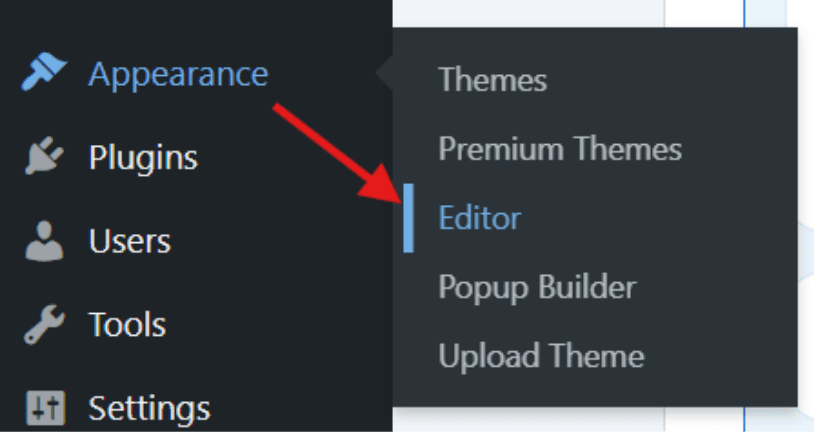
- Select the file, make small changes, then save and test immediately.
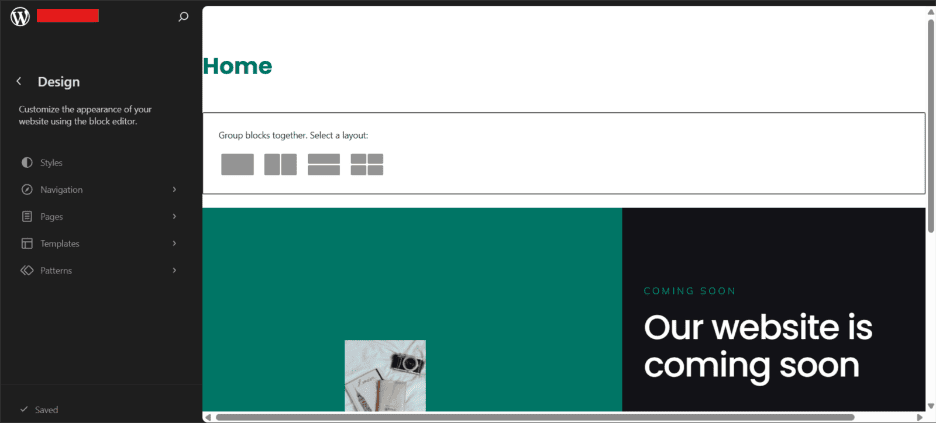
Keep in mind: Editing themes/plugins directly is not recommended as it may introduce incompatibilities that break your site and your changes may be lost in future updates. If you absolutely have to make direct edits to this plugin, use a file manager to create a copy with a new name and hang on to the original. That way, you can re-enable a functional version if something goes wrong.
How it helps:
The WordPress Editor is fast and accessible but risky for major edits, as errors can break the site.
Recommendation: For secure, reliable site management, SFTP should be your primary choice, File Manager works well for quick tasks and the WordPress Editor should be used sparingly and only for minor changes.
How does Bluehost make SFTP easier for your WordPress site?
If you’re setting up SFTP for your WordPress site, choosing the right hosting provider can simplify the process and reduce setup time. At Bluehost, we support Secure FTP (SFTP) across our hosting plans, so you can connect securely right from the start.
Bluehost servers are configured to support SFTP connections. The setup steps may vary slightly depending on your hosting plan.
You typically connect using an SFTP client such as:
- FileZilla
- Cyberduck
For shared hosting plans, you may need to enable SSH access in your hosting dashboard first. Once enabled, SFTP provides encrypted file transfer for:
- Media uploads
- Troubleshooting tasks
- Secure code updates
On VPS, Dedicated or Cloud plans, SFTP support is usually enabled by default. This makes file management straightforward, even if your WordPress dashboard becomes inaccessible.
This integration means that with Bluehost hosting you get not only a reliable WordPress environment but also built-in support for the secure file access mechanisms (like SFTP) that modern WordPress workflows depend on.
Switch to Bluehost VPS and manage your WordPress files faster, safer and with total control.
6 WordPress SFTP best practices
Using SFTP correctly is just as important as enabling it. Following these best practices helps keep your WordPress site secure, stable and easy to manage.
- Use SFTP instead of FTP at all times: Always choose SFTP for file transfers to ensure credentials and data remain encrypted during access.
- Limit user permissions: Grant SFTP access only to users who need it and restrict directory permissions to prevent accidental or unauthorized changes.
- Use strong authentication methods: Set strong, unique passwords or use SSH key-based authentication for improved security and reduced risk of brute-force attacks.
- Avoid editing live files unnecessarily: Make changes in a staging or local environment first, then upload via SFTP to reduce downtime and errors.
- Keep software updated: Regularly update WordPress, themes, plugins and your SFTP client to maintain compatibility and security.
- Log and monitor access: Track SFTP logins and file changes to quickly identify suspicious activity or misconfigurations.
Following these SFTP best practices ensures secure access, safer file management and a more stable WordPress environment. Even with best practices in place, SFTP issues can still occur, so let’s look at the most common errors and how to fix them.
6 common WordPress SFTP errors and fixes
Even with correct setup, SFTP connections can fail due to small configuration issues. Below are common problems and how to resolve them.
- Connection refused or timeout: Verify the hostname, port (usually 22) and ensure the server firewall allows SFTP connections.
- Authentication failed: Double-check your username and password or confirm the correct SSH key is selected if using key-based login.
- Permission denied errors: Ensure your SFTP user has access to the WordPress directory and that file permissions are set correctly.
- Incorrect root directory: Navigate to the correct WordPress folder, typically
public_htmlorwww, before editing files. - Outdated SFTP client: Update your file transfer client to avoid compatibility issues with modern server configurations.
- Server-side restrictions: Some hosts restrict SFTP access by IP or user role—review hosting settings or contact support if issues persist.
Fixing these common errors will ensure your SFTP workflow remains secure, efficient and reliable for managing WordPress files.
Final thoughts
Mastering WordPress SFTP is your gateway to secure, efficient website management. With the setup steps covered in this guide, you now have the tools to protect your files, streamline transfers and maintain complete control over your site’s backend.
Whether you’re updating themes, managing plugins or backing up critical data, WordPress SFTP keeps your workflow secure and professional. The combination of encryption and direct server access gives you peace of mind with every file you handle.
Ready to experience faster, more secure file management? Upgrade to Bluehost VPS hosting and get dedicated resources, enhanced security and the performance your WordPress site deserves.
FAQs
SFTP (Secure File Transfer Protocol) is an encrypted method for transferring files between your computer and WordPress server. It provides secure access to manage themes, plugins and core files while protecting your credentials and sensitive data during transmission.
You’ll need an SFTP client like FileZilla, your host’s SFTP credentials (hostname, username, password, port 22) and your server’s IP address. Enter these details in your SFTP client to establish a secure connection to your WordPress files.
SFTP encrypts all data transfers and credentials, while FTP sends information in plain text. SFTP uses SSH protocol on port 22 for secure connections, making it the recommended choice for WordPress site management and file transfers.
Yes, you need an SFTP client application to access your WordPress files securely. Popular free options include FileZilla, Cyberduck and WinSCP. These clients provide a user-friendly interface to transfer and manage your WordPress site files safely.
Your hosting provider typically sends SFTP credentials via email upon account creation. You can also find them in your hosting control panel under FTP/SFTP accounts or contact your host’s support team for assistance with retrieving this information.
Yes, SFTP is highly secure for WordPress operations. It uses SSH encryption to protect your data, credentials and file transfers from interception. This makes SFTP the industry standard for secure WordPress site management and recommended over standard FTP.
Absolutely. SFTP allows you to upload themes to wp-content/themes and plugins to wp-content/plugins directories. This method is particularly useful when the WordPress dashboard upload fails or when installing premium themes and plugins manually.

Write A Comment