



Key highlights
- Learn the difference between backlinks and referring domains and why understanding both is essential for making smarter SEO decisions.
- Understand what referring domains are and how search engines use them to measure your site’s authority and trustworthiness.
- Explore the main types of backlinks so you can identify which ones genuinely strengthen your rankings and which ones to avoid.
- Know how to evaluate the quality of your backlink profile by using referring domains as a more reliable measure than raw link counts.
- Uncover why earning links from a diverse range of referring domains often delivers stronger, longer-lasting SEO results than accumulating many links from the same source.
If you have been doing SEO for more than a few months, you have almost certainly tracked your backlinks. But here is a question that trips up even experienced SEOs: are you tracking the right metric? Most practitioners obsess over backlink counts while overlooking a far more powerful signal referring domains.
Understanding the difference between backlinks vs referring domains is not just a technicality. It directly shapes how you build links, how you audit your profile and how search engines perceive your site’s authority. Get this wrong, and you could spend months acquiring hundreds of links that barely move your rankings.
In this guide, we will break down exactly what each term means, why they behave differently and which metric you should be paying close attention to in your SEO strategy.
Are backlinks and referring domains the same?
Staring at your SEO dashboard and feeling confused by your link metrics is a common frustration. To put it simply: no, backlinks and referring domains are not the same. A referring domain is the actual website linking to you while a backlink is the specific clickable hyperlink itself.
Understanding backlinks vs referring domains helps you measure your website authority accurately. If a popular blog links to your site in 50 different articles, you have gained 50 backlinks but only one referring domain. Search engines value a diverse profile over a massive quantity of links from a single source. When asking what are referring domains in the grand scheme of your strategy, think of them as unique votes of confidence.
As you explore different types of backlinks for your growth strategy, keeping these two metrics separate is crucial. Knowing exactly what is a referring domain prevents you from wasting time chasing repetitive links from the exact same website. Instead you can focus your energy on building relationships with new domains to establish true industry credibility and improve your search rankings.
What is a referring domain?
When exploring SEO strategy, you might wonder exactly what is a referring domain and how it impacts your site growth. In simple terms, a referring domain is the actual website that links to your content. Think of it as the parent source or the host of a link. While site owners often confuse backlinks vs referring domains, the technical distinction is straightforward: the referring domain is the complete website itself rather than the individual hyperlink.
Let’s look at a practical example to clear up the confusion. Imagine a popular industry blog publishes an article about your services and includes three different links pointing to your website at [businessname].com. In this scenario, that industry blog acts as one single referring domain. Even though you gained three specific links from that article, they all originate from the same unique website.
Understanding what are referring domains helps you build a more effective organic strategy. As you start pursuing different types of backlinks to grow your digital presence, you will notice that earning links from a wide variety of sources signals greater authority to search engines. Diversifying your referring domains proves that multiple independent websites trust and value your expertise.
What does referring domain mean in SEO?
When asking what is a referring domain in the context of SEO, you need to understand how search engines evaluate trust. Algorithms treat every unique website that links to you as an independent vote of confidence. If you get 50 links from a single site, search engines only see one source vouching for you. Earning links from 50 different websites signals widespread authority instead.
This distinction highlights why the backlinks vs referring domains metric is so critical for growth. A broad profile of referring domains proves your content is a highly reliable resource. While exploring different types of backlinks matters for your overall strategy, prioritizing fresh referring domains is what ultimately pushes your pages higher in search results and builds lasting digital credibility.
What qualifies as a high-authority referring domain?
A high-authority referring domain is a trusted, widely recognized website that search engines view as an industry leader. When asking what is a referring domain with high authority, think of it as a digital celebrity actively endorsing your business.
Search engines do not publish a fixed three-factor checklist for high-authority referring domains, but they do evaluate signals such as site quality, relevance and context when assessing links:
- Established trust: Older websites with strict editorial standards carry far more weight than newly launched blogs.
- Niche relevance: A connection from a site in your exact industry proves your specific expertise.
- Traffic volume: Sites that naturally attract thousands of real visitors signal genuine value to search engines.
When evaluating what are referring domains pointing to your site, understanding this quality standard highlights the true impact of backlinks vs referring domains. Mentions from these elite sources provide the strongest possible boost to your overall search rankings.
What is a backlink?
A backlink is simply a clickable hyperlink on another website that points directly to your site. When someone clicks that link, they travel from their current page straight to yours. Think of it as a digital bridge connecting two separate corners of the internet. If an industry blog mentions your new product and includes a link to your online store, that exact link is a backlink.
Understanding this basic concept is essential when you start comparing backlinks vs referring domains. If you find yourself asking what is a referring domain or what are referring domains as a whole, it helps to focus on the individual link first. Search engines view these inbound links as distinct votes of confidence. When reputable sites link to your content, it signals to search algorithms that your website offers valuable and trustworthy information worth ranking higher in search results.
As you grow your online presence, you will encounter different types of backlinks that serve various purposes. Some pass authority directly to your pages while others simply drive helpful traffic. Regardless of the specific type, earning these digital recommendations builds your credibility and makes your website much easier for potential customers to find.
Also read: What Are Backlinks? How They Help SEO (Beginner’s Guide)
Referring domains vs backlinks: What’s the difference?
Understanding backlinks vs referring domains comes down to the relationship between a source and its actions. If you picture your website’s search presence like a digital reputation, a referring domain is the unique website vouching for you. The backlinks are the individual times they actually link to your content. When you ask what is a referring domain, you are simply looking for the root website sending traffic your way rather than counting every single link.
| Factor | Backlinks | Referring domains |
|---|---|---|
| Definition | A single hyperlink pointing to your site | A unique website that links to your site |
| What it counts | Total number of links | Number of distinct source domains |
| Relationship | Many can come from one domain | Each domain counted only once |
| SEO Signal | Individual link authority & context | Domain diversity & trust breadth |
| Risk if inflated | Can appear spammy if from few sources | Harder to fake naturally |
| Key metric for | Anchor text analysis, link volume | Link profile health & diversity |
| Tracked via | Ahrefs, GSC, SEMrush | Ahrefs, SEMrush, Moz |
You can receive dozens of different types of backlinks from a single website but search engines still view them as coming from just one referring domain. This distinction is crucial because algorithms prioritize diverse endorsements over repetitive links from the exact same source. To better understand how to grow your site traffic naturally, let’s explore exactly how these two elements interact.
1. Referring domains create backlinks
When comparing backlinks vs referring domains, it helps to look at the directional flow of the connection. The referring domain acts as the foundation or the source website. Every backlink you receive stems directly from this source. You can think of the referring domain as a parent tree and the backlinks as the individual branches growing from it.
This directional relationship means a single referring domain can easily be the source of dozens or even hundreds of individual backlinks. If a popular blog links to your homepage in one article and your service page in another, you gain two backlinks but still only have one referring domain. Understanding exactly what are referring domains and how they generate different types of backlinks helps clarify why search engines measure both metrics to determine your site authority.
2. Backlinks depend on referring domains
Think of referring domains as the physical foundation of a digital house. You cannot have a doorway without a building to support it. When exploring what are referring domains, remember that they act as the essential host for your links. A backlink simply cannot exist in a vacuum because it relies on an active website to give it a place to live on the internet.
Understanding backlinks vs referring domains comes down to recognizing this dependency. Regardless of the types of backlinks you want to earn, you must first find a credible host website willing to feature your content. By focusing on building relationships with trustworthy sites, you empower your business to naturally gain the visibility and steady traffic you deserve.
Also read: Referring Domains vs Backlinks: What’s the Difference?
Referring domains vs backlinks: How do they impact SEO?
You might think getting thousands of links from a single website is a huge SEO win. However, search engines look closely at the relationship between backlinks vs referring domains to measure your true authority. When you explore the different types of backlinks available, you will quickly find that source diversity matters far more than sheer link volume.
If you are still wondering what is a referring domain in the context of site growth, think of it as an individual voter in an election. If one person votes for you a thousand times, it does not mean you have broad public support. Search algorithms operate on this exact logic. A high number of unique referring domains signals that your website is widely trusted across the internet. In contrast, having thousands of backlinks from just one or two referring domains looks unnatural and provides diminishing returns for your search rankings.
This is why maintaining a healthy ratio of unique domains to total links is essential for reliable organic growth. As you build your professional presence online, focus your efforts on earning mentions from a wide variety of reputable websites. A diverse backlink profile proves your industry expertise and helps establish the long-term credibility your site needs to rank higher.
How a diverse link profile impacts your SEO
Search algorithms evaluate your website by looking for widespread consensus. Earning various types of backlinks from a wide array of sources proves your content holds universal value. If you gather links from the same handful of sites, search engines might view your growth as unnatural. This highlights exactly why understanding what is a referring domain matters: each one acts as an independent trust signal. A diverse profile shows the internet at large vouches for your expertise.
For your business, this translates to hassle-free organic growth. Grasping the true impact of backlinks vs referring domains helps you stop chasing repetitive links. Sites with varied endorsements naturally resist sudden algorithmic fluctuations because their authority is never tied to a single host. If you ever wonder what are referring domains achieving for your strategy, the answer is long-term resilience. Broadening your digital footprint builds a secure foundation that protects your search rankings.
Also read: SEO Basics: Complete Beginner’s Guide to Organic Growth
How to check backlinks and referring domains
Understanding the intricacies of backlinks vs referring domains is only half the battle. You also need a reliable way to monitor your live link profile. Regularly checking your metrics helps you see exactly what is a referring domain in the context of your own site and ensures your SEO strategy is moving in the right direction.
The best place to start is Google Search Console. This free tool gives you a direct look at how search engines view your website. By navigating to the links report, you can easily see your top referring domains and the specific pages they connect to. It provides a clear baseline for tracking your organic growth over time without requiring any complex technical setup.
For deeper backlink insights, you will usually need dedicated tools like Ahrefs or Semrush, while Yoast SEO focuses primarily on on-page SEO inside your WordPress dashboard. Premium SEO plugins can help with on-page optimization and workflow, but backlink analysis is typically handled through external SEO platforms rather than inside WordPress itself.
How do you find referring domains?
Discovering exactly what a referring domain is for your website becomes much clearer when you view your own data. Follow these practical steps to find your link sources:
- Choose an SEO tool: Select a platform like Ahrefs, Semrush or the free Google Search Console to begin your research.
- Enter your domain URL: Type your website address into the main search bar. For example, enter [businessname].com to pull up your site profile.
- Navigate to the reporting dashboard: Look for the specific menu option labeled “Referring Domains.” This isolates the root websites rather than showing every individual link.
- Analyze the data: Sort your list by domain authority. This helps you evaluate source quality when comparing backlinks vs referring domains.
Reviewing this report regularly helps you understand your overall digital footprint and identify opportunities to earn new types of backlinks from authoritative sites.
What are different types of backlinks?
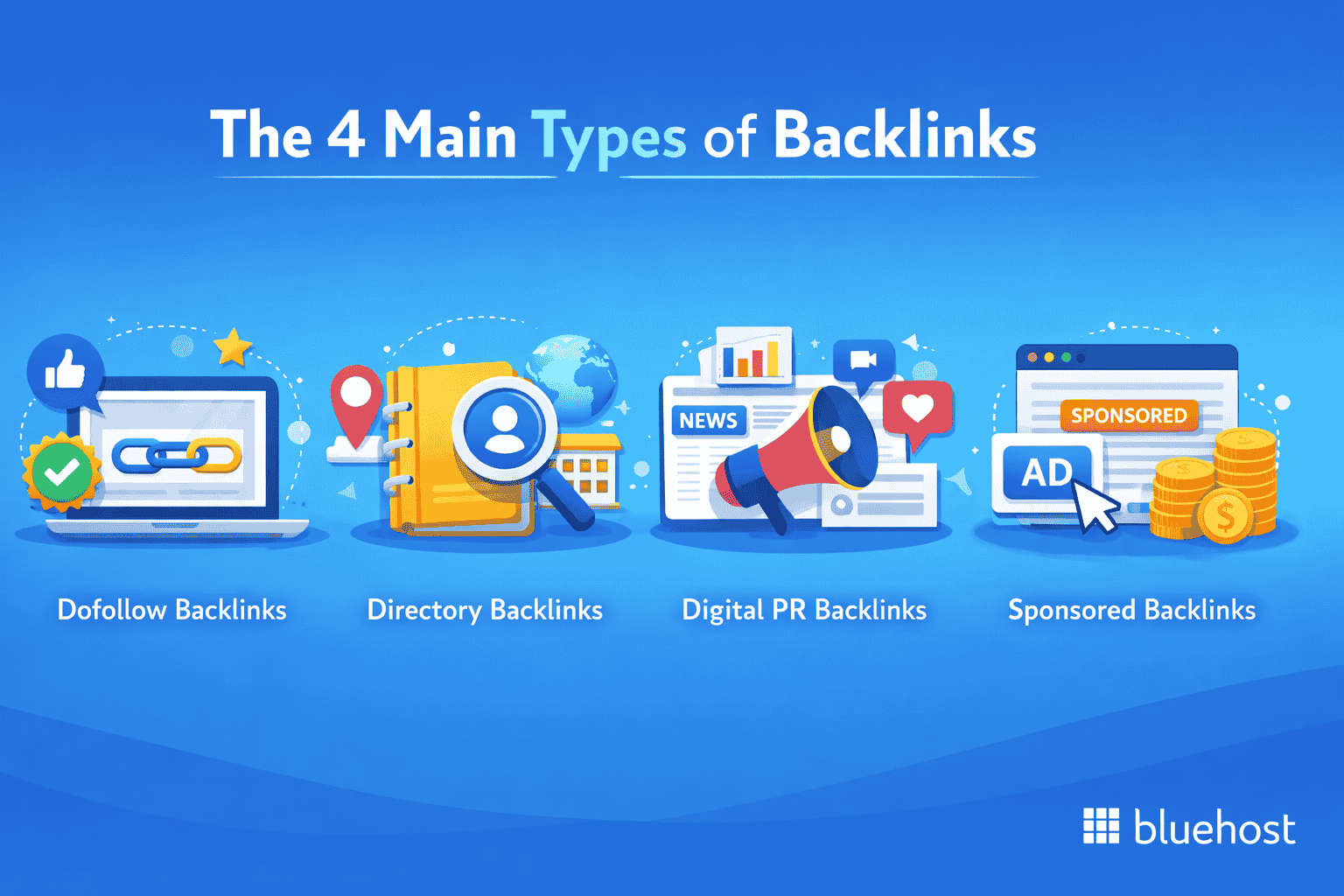
As you grow your digital footprint, you will quickly notice that not all inbound links are created equal. When analyzing your site performance, understanding the various types of backlinks is just as crucial as knowing what is a referring domain. Search engines look closely at the underlying HTML structure and the specific source of these links to determine how much trust and authority they should pass to your website.
To make sense of the backlinks vs referring domains dynamic, you need to recognize the different link variations pointing to your content. Some links act as direct endorsements that boost your search rankings while others simply point users in your direction without passing direct SEO value. Recognizing these structural differences helps you prioritize your outreach efforts and build a healthier link profile.
Whether you are submitting your business to local indexes, writing guest posts or earning mentions from major publications, each link serves a unique purpose in your growth strategy. Let’s break down the four main types of backlinks you will encounter and explore how they directly influence your overall search visibility.
1. Dofollow backlinks
As you explore the different types of backlinks, “dofollow” links are the most valuable for your SEO strategy. You might hear professionals use the term “link juice” to describe how these work. In simple terms, a standard crawlable link without a rel qualifier like sponsored, ugc or nofollow can pass ranking signals, though Google does not describe this as a guaranteed direct transfer of authority.
When high-quality referring domains link to your content with normal crawlable links, those links can help search engines better understand your pages and may contribute ranking signals. This transfer of authority helps your website climb higher in search results and fuels long-term site growth. While understanding backlinks vs referring domains can feel technical at first, earning dofollow links from trusted sources is a reliable way to build credibility and drive organic traffic to your business.
2. Directory backlinks
Local business directories offer some of the most accessible types of backlinks you can build. When you list your company on platforms like Yelp, Google Business Profile or TripAdvisor, each site acts as a baseline referring domain pointing back to you. This establishes a strong foundation of trust with search engines by proving your business is legitimate and active across the web.
The best part about securing these foundational links is how simple the process is for beginners. Basic local SEO requires absolutely no coding or advanced technical skills. You simply claim your business profiles, fill out your company details accurately and add your website URL. This straightforward approach steadily grows your backlink profile and helps local customers find your services faster.
3. Digital PR backlinks
Digital PR focuses on earning mentions from online publications, news sites and industry blogs. These high-authority sites act as powerful votes of confidence. Search engines trust established media outlets. A link from a major publication proves your website is credible and relevant.
These brand mentions are among the most valuable types of backlinks you can acquire. You secure them by pitching unique data, expert quotes or compelling stories to journalists. When looking at what is a referring domain in the context of PR, it is usually a recognized news outlet or popular magazine. Active outreach takes effort. That effort pays off because elite referring domains drastically improve your search rankings.
What makes a good backlink?
When exploring different types of backlinks, you might assume that getting as many links as possible is the ultimate goal. However, search engines prioritize quality over sheer volume. A good backlink acts as a strong vote of confidence from a reputable source in your specific industry. If you are wondering what is a referring domain capable of actually moving the needle for your website, the answer lies in its relevance and overall authority. A link from a trusted site tells search engines your content is valuable.
Understanding the balance of backlinks vs referring domains helps clarify why shortcuts never work. It is much better to earn one strong link from a well-respected blog in your niche than fifty links from random, low-quality directories. Search algorithms easily recognize when people try to game the system with spammy tactics. By focusing on creating genuinely helpful content, you empower your website to naturally attract high-quality links.
So, what are referring domains supposed to look like in a healthy link profile? They should be diverse, contextually relevant to your business and highly authoritative. Earning these kinds of links takes time and effort but they provide the stable foundation your website needs to rank higher and attract real customers.
1. Backlinks that can boost your SEO
Understanding the true difference between backlinks vs referring domains comes down to quality. When analyzing what is a referring domain in your link profile, search engines prioritize trust and authority over sheer volume. Knowing which types of backlinks carry the most weight will help you focus your website growth strategy effectively. Here are the most valuable sources to target:
- Editorial links: Organic mentions from industry leaders and reputable publications that cite your original research or expertise.
- Guest post links: High-quality articles you write for authoritative sites within your specific niche.
- Resource page links: Placements on curated educational hubs or industry lists that naturally recommend your business tools.
- Digital PR links: Features in major news outlets or press syndications that highlight your company milestones.
2. Backlinks that can harm your SEO
Not all types of backlinks will help your website grow. Links from spammy, irrelevant or low-quality referring domains can actually harm your search rankings. To protect your professional presence, you need to evaluate exactly what is a referring domain linking to your site and whether it carries genuine authority. If you receive hundreds of links from known spam networks, search engines might view your own website as untrustworthy.
This is exactly why analyzing backlinks vs referring domains matters for your long-term SEO strategy. It is never just about the sheer volume of links you collect. You must actively monitor what referring domains are pointing to your content. Maintaining excellent site health by auditing these toxic sources ensures your website remains a credible and reliable destination for your target audience.
What are the best practices for building high-quality backlinks?
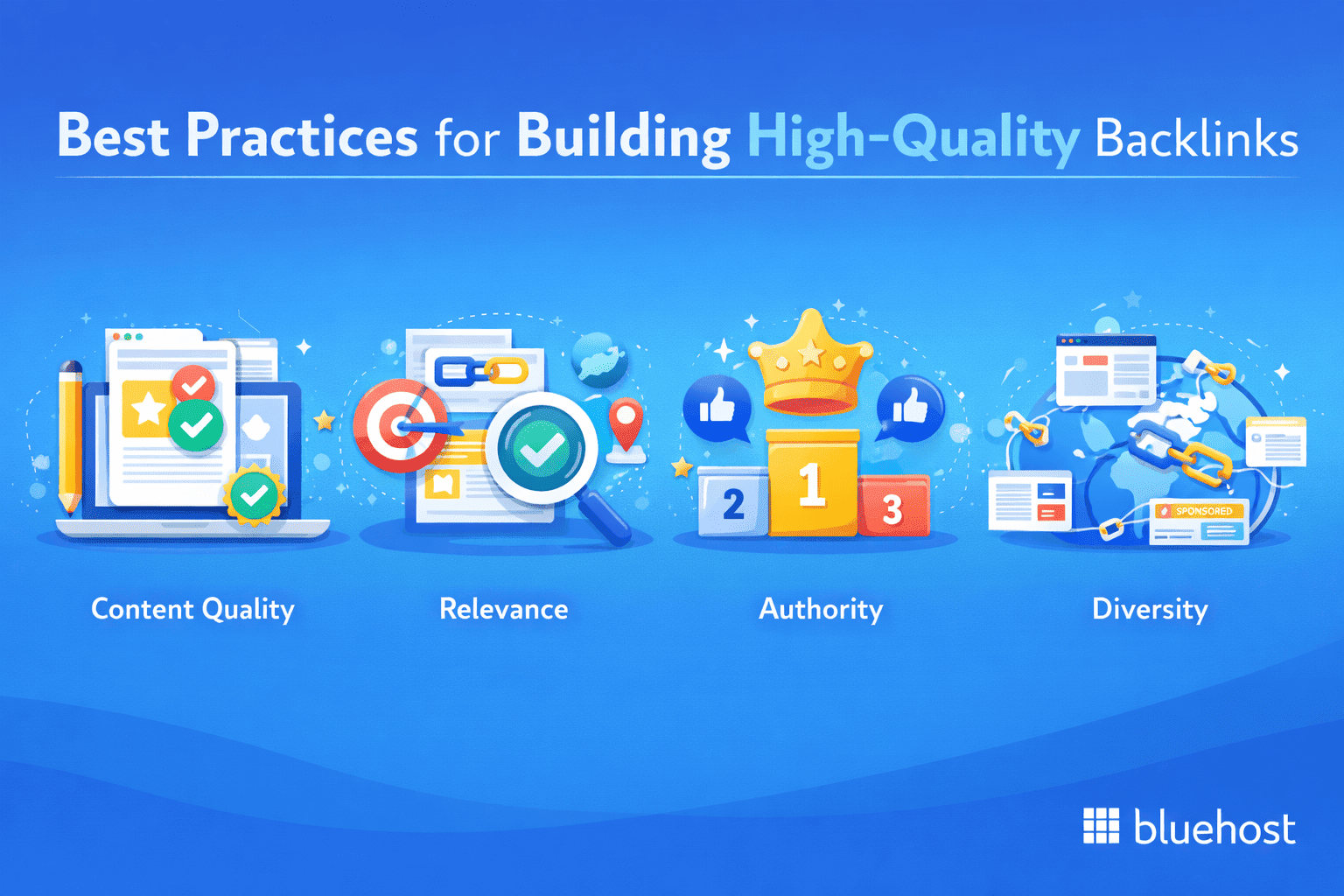
Building a strong backlink profile requires a proactive approach focused on quality over quantity. The most effective strategy is creating genuinely valuable content that naturally attracts attention. When you publish original research, comprehensive guides or insightful industry analysis, other site owners naturally want to reference your work. This organic approach helps you secure various types of backlinks without resorting to spammy tactics. Before launching an outreach campaign, make sure you focus on optimizing your website speed so visitors actually stay on the page you want them to link to.
Once your content is ready, you can begin active outreach. Identify authoritative sites in your niche and pitch guest posts that provide unique value to their specific audience. If you are learning about effective guest blogging strategies, remember to personalize every pitch and focus on building relationships rather than just asking for favors. You can also look for broken links on industry blogs and offer your active pages as a helpful replacement. As you navigate the balance of backlinks vs referring domains, prioritize getting featured on unique websites rather than securing multiple links from the exact same source.
Referring domains best practices
When balancing backlinks vs referring domains, your primary goal should be diversifying your link profile. A common mistake site owners make is continuously asking the same websites for links. If you constantly rely on a single source, those subsequent links provide diminishing returns because search engines view each new domain as an independent vote of confidence.
To get the highest value out of different types of backlinks, prioritize reaching out to fresh authoritative websites in your industry. If you are explaining to your team what are referring domains and why they matter, remind them that ten links from ten different websites will always outperform one hundred links from a single site. This varied approach shows search engines your content appeals to a broad audience and builds a stronger foundation for long-term growth.
What is a bad number of referring domains?
There is no single “bad” number of referring domains, but a heavily skewed ratio between your total backlinks and unique domains is a major red flag. If your site has thousands of links coming from just one or two domains, search engines often view this as unnatural or spammy. A healthy link profile relies on a diverse stream of unique websites rather than a single source artificially inflating your metrics. Grasping the core differences of backlinks vs referring domains helps you prioritize outreach that brings in fresh authority instead of piling up weak links.
Earning those high-quality links takes time and an incredibly fast, reliable website to keep your audience engaged. Build your professional online presence with a partner you can trust. Get started with Bluehost’s officially recommended WordPress hosting today and secure the high-performance foundation your growing business deserves.
Why you should avoid gaining too many referring domains at once
Seeing a sudden spike in new links might feel like a victory but it often triggers alarm bells for search engines. When you acquire hundreds of sources overnight, algorithms suspect mechanical or spam tactics rather than genuine endorsements. Understanding exactly what is a referring domain highlights why link velocity matters: real websites take time to naturally discover and reference your content. If you artificially inflate your metrics with low-quality types of backlinks, you risk facing ranking penalties that erase your hard work.
Instead of chasing a rapid influx of links, focus your efforts on steady and organic relationship building. When evaluating backlinks vs referring domains, prioritize the gradual accumulation of trusted industry sources. Knowing exactly what are referring domains helps you prioritize authentic votes of confidence so you can build with confidence. Adopting these sustainable SEO practices secures lasting search authority without the stress of algorithmic penalties.
How to acquire more referring domains to increase SEO rankings
Once you know exactly what are referring domains, your next step is actively acquiring more of them. Securing different types of backlinks from fresh sources requires a proactive approach. Follow these proven steps to expand your digital footprint:
- Launch digital PR campaigns: Pitch original data or compelling stories to journalists to earn authoritative mentions.
- Publish high-quality guest posts: Offer to write valuable content for respected blogs in your specific niche.
- Leverage industry partnerships: Ask vendors, suppliers and business partners to feature your company on their resource directories.
Balancing backlinks vs referring domains ultimately requires a rock-solid technical foundation. Your outreach efforts will fall flat if your pages load slowly or crash. Earning these links demands a fast and reliable website powered by modern features like NVMe storage and 99.9% uptime to ensure visitors actually stay engaged once they click through to your content.
Want better SEO results without doing it all yourself?
Understanding referring domains and backlinks is one thing; consistently building them while managing keyword research, on-page optimization, content updates and technical SEO is another challenge entirely. For most small business owners, that is simply too much to handle alongside running a business.
That is exactly the gap Bluehost Full Service + SEO was built to fill.
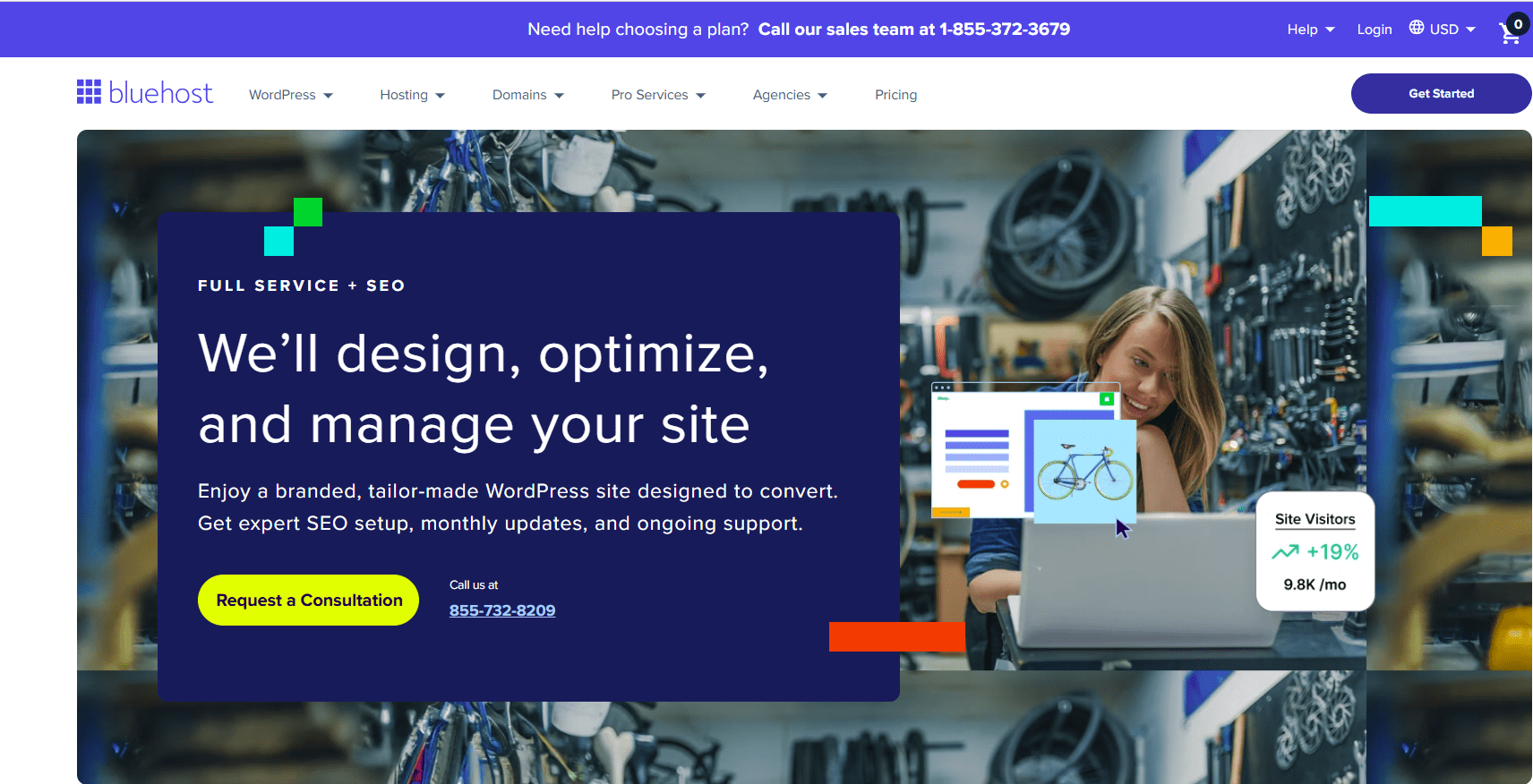
A complete SEO solution, not just a website builder
Unlike standard web design services that hand you a finished site and walk away, Bluehost Full Service + SEO is a fully managed, ongoing partnership. You get a custom 5-page WordPress website built with SEO-friendly content, on-page optimization (keyword research, title tags, meta descriptions and image alt text), built-in analytics and a dedicated marketing expert, all under one roof.
Instead of juggling multiple vendors for design, SEO and support separately, you get those services bundled into one managed solution with clear pricing in the product overview.
What happens after launch matters more
Most businesses struggle not with building a site, but with keeping it competitive over time. With Bluehost Full Service + SEO, the work continues long after launch:
- Monthly SEO maintenance: ongoing keyword tracking, content optimization and search performance reviews
- Monthly strategy calls with your dedicated marketing expert
- Website updates and content additions: up to one new page per month, upon request
- Human support: not bots or offshore call centers, but trained experts who own your issue until it is resolved
This ongoing commitment is what separates a site that ranks and grows from one that stagnates six months after launch.
Built for businesses that are serious about being found
If your site looks outdated, is not showing up on Google, or you simply do not have the bandwidth to manage SEO yourself, Bluehost Full Service + SEO removes every bottleneck. Our process from consultation to launch is designed to get you live quickly, with expert SEO built in from day one, not bolted on as an afterthought.
And if you sell products online, the optional WooCommerce eCommerce add-on includes full store setup and up to 10 products added for you.
Final thoughts
Backlinks and referring domains are not the same thing and treating them as interchangeable is one of the most common strategic errors in SEO. Backlinks measure the total number of links pointing to your site. Referring domains measure how many unique websites those links come from.
Of the two, referring domains is the more important metric to grow. Domain diversity is harder to manufacture, more closely aligned with genuine authority and more consistently correlated with organic ranking improvements. A site with 300 backlinks from 200 domains will almost always outperform one with 1,000 backlinks from 10 domains.
Start by auditing your current referring domain profile in Google Search Console or Ahrefs. Identify where your link diversity stands today, where you are losing ground and which new domains you should be targeting. Then build your outreach strategy around earning links from new, relevant, high-quality sources i.e. one unique domain at a time.
That is how sustainable SEO authority is built.
If your site isn’t showing up on Google, the problem isn’t just your backlinks- it’s your entire SEO foundation. Bluehost Full Service + SEO builds and manages it all for you.
FAQ
No, backlinks and referring domains are not the same thing in SEO. A referring domain is the actual, unique website that links to your content, while a backlink is the specific clickable hyperlink itself. For example, if a single website links to your blog in five different articles, you earn five distinct backlinks but only one referring domain. Search engines prioritize a high number of unique referring domains because it shows broader trust across the internet rather than repetitive votes from a single source.
A referring domain is the root website or parent source that hosts an inbound link pointing to your site. When asking what are referring domains, think of them as unique votes of confidence from independent websites. Even if you receive dozens of individual links from one popular blog, search algorithms still count that as a single referring domain. Earning mentions from a diverse range of referring domains is crucial for improving your organic search rankings and establishing industry authority.
Referring domains create backlinks by acting as the foundational host website where individual hyperlinks live. You can picture the referring domain as a parent tree and the individual types of backlinks as the branches growing from it. A backlink cannot exist without an active referring domain to support it. Because of this dependency, a single referring domain can easily generate hundreds of individual backlinks if that host website links to your pages multiple times across its content.
The main types of backlinks include dofollow links, nofollow links, sponsored links and user-generated content links. Each type serves a unique purpose, with dofollow links directly passing search engine authority and trust to your website. Understanding the different types of backlinks helps you build a diverse and natural link profile. While some links boost your rankings directly, others simply drive valuable referral traffic, but all rely on high-quality referring domains to be effective.
You can find your referring domains by using SEO platforms like Google Search Console, Ahrefs, or Semrush. By entering your website URL into these tools and navigating to the referring domains report, you isolate the root websites linking to you rather than viewing every individual backlink. Reviewing this data regularly helps you accurately measure your website’s true authority. It also allows you to evaluate the quality of your sources when analyzing your overall backlinks vs referring domains.



Write A Comment