


Key highlights
- Understand what the “Powered by WordPress” footer message means and where it appears in your theme.
- Learn the legal considerations for removing or replacing the footer credit plugin safely.
- Explore four practical methods to remove or customize the footer without breaking your site.
- Uncover why hiding the footer credit using custom CSS is unreliable and can create SEO, accessibility or update issues.
The “Proudly powered by WordPress” message appears in the footer of many WordPress websites by default. While it’s not an error, it frequently seems out of place on a professional or client-facing site.
For businesses, freelancers and agencies, footer section string is part of your brand. Leaving default WordPress credits can make a site look unfinished, especially when you’ve invested time in WordPress themes customizer, content and customization.
At the same time, many site owners hesitate to remove the default credits. Questions around legality, theme restrictions, updates and SEO often create confusion and hesitation.
This guide explains what the powered by WordPress footer really means, whether you’re allowed to remove it and the safest ways to remove proudly powered by WordPress credits in 2026. You’ll also learn which methods to avoid and how to replace the default footer with your own branding, without breaking your WordPress site.
TL;DR summary
- The “Powered by WordPress” footer text shows added by many WordPress themes by default.
- It’s legal to remove or replace the footer credit in most cases.
- You can remove it using the theme options, a new plugin, footer file or a child theme.
- Avoid hiding the credit with custom code, as it can cause SEO, accessibility and update issues.
- Replacing the default footer credit helps improve branding, trust and professionalism.
What does “Proudly powered by WordPress” actually mean?
The “Proudly powered by WordPress” message represents a default footer credit added by many WordPress themes. It’s not generated by WordPress core functionality, but by your current theme’s footer file or theme customizer settings.
Also read: How to Customize WordPress Theme (Complete Beginner–Advanced Guide)
In most cases, this message originates from the PHP file, the site footer info block or the theme options. Default themes like the Twenty Nineteen theme and other themes include this message as part of their design.
Some block themes display the WordPress credit through the site editor, while classic themes rely on code snippets in theme files. That’s why the exact text and removal method can differ between different themes.
It’s also important to note that many WordPress themes add their own theme credit alongside the WordPress message. These are controlled by the theme developer and may follow different rules than WordPress branding.
Is it legal to remove the WordPress footer credit?
Yes, in most cases, it is legal to remove the “Proudly powered by WordPress” footer credit. WordPress is released under the GNU General Public License (GPL), which allows you to modify, customize and redistribute the software.
The WordPress footer message is not a legal requirement. Removing it does not violate WordPress core licensing or usage rules.
However, there’s an important distinction to understand. WordPress credit and theme credit are not the same. Some theme developers include their own footer credit as part of the theme design. That credit may be protected by the theme’s license or conditions.
Also read: How to Switch WordPress Themes Without Losing Content
Before removing any footer text, check your theme’s manual or theme settings. This ensures you’re only removing the WordPress footer message and not violating a theme developer’s licensing requirements.
Should you remove the footer credit?
Removing the WordPress footer credit is a choice, not a requirement. The right decision depends on how you use your WordPress site and what you want it to represent.
- Brand professionalism: Your website’s footer is part of your brand identity. Custom footer text often looks more polished than default WordPress branding, especially on business websites.
- Client projects: For client sites, default footer credits can feel out of place. Many clients expect clean, white-labeled sites that represent their brand, not the platform behind it.
- SEO & trust: Removing the footer credit does not directly improve rankings. However, a professional footer can strengthen customer confidence, which aids overall site credibility.
- When it’s better to keep it: For personal blogs, learning projects or new sites, keeping the WordPress credit is perfectly fine. Some site owners prefer crediting the platform powering their website.
Ultimately, whether you remove the footer credit depends on your goals, branding and the type of site you manage. Next, we’ll explore four easy and safe methods to remove or replace the “Powered by WordPress” footer text.
How to remove Powered by WordPress footer (4 easy methods)
Removing the default WordPress footer credit can be done safely using a few proven methods. Depending on your theme and experience level, these approaches help you remove proudly powered by WordPress text without affecting site functionality.
Here are four easy ways to remove or replace the footer credit without affecting your site’s functionality.
1. Remove using the theme customizer
Many WordPress themes include a footer settings option in the theme customizer. This allows you to edit or remove the powered by WordPress message without touching any code.
- Navigate to Appearance > Customize in your WordPress dashboard.
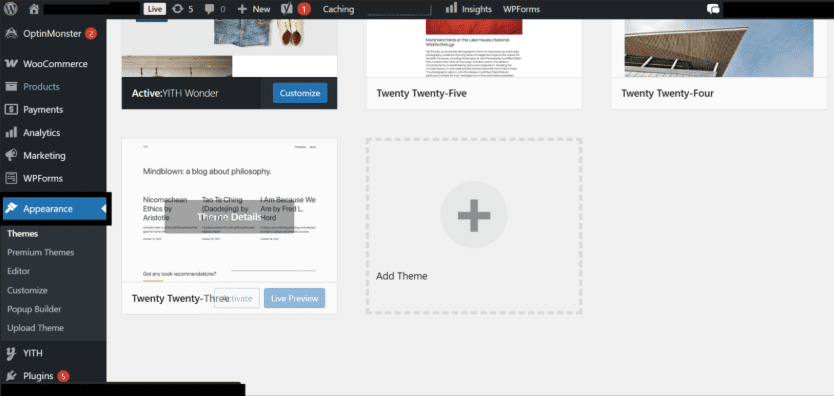
- Look for Footer, Site Info or Footer Credit settings.
- Remove or replace the text with your own branding.
- Save the changes and refresh your site to confirm the update.
This method works with default themes like the Twenty Nineteen theme and many other WordPress themes that support built-in footer options.
2. Remove using a plugin
If your theme does not have a built-in option, a WordPress plugin can simplify the process. Plugins like Remove Footer Credit or similar allow you to remove or replace footer text safely.
- Install and activate footer removal plugin.
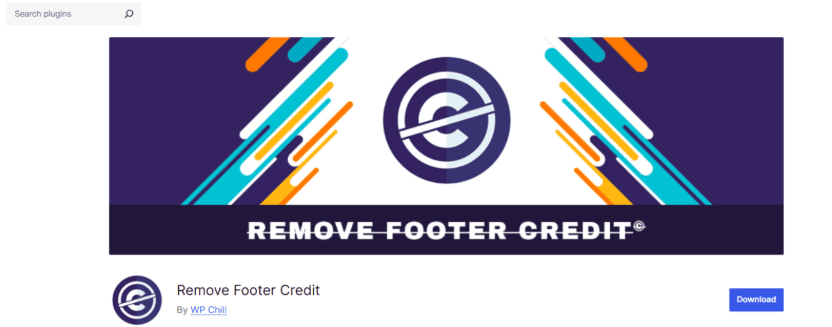
- Go to the plugin settings and enter the content you desire to remove.
- Optionally, replace it with your custom footer message.
- Plugins are ideal for non-technical users or managing multiple client sites, as they automatically manage updates without modifying theme files.
3. Remove by editing footer.php
- For more control, you can remove the footer credit by editing the footer.php file of your theme. This method works with classic themes but requires caution, as incorrect edits can break your site.
- Steps:
- Go to Appearance > Theme File Editor in your WordPress dashboard.
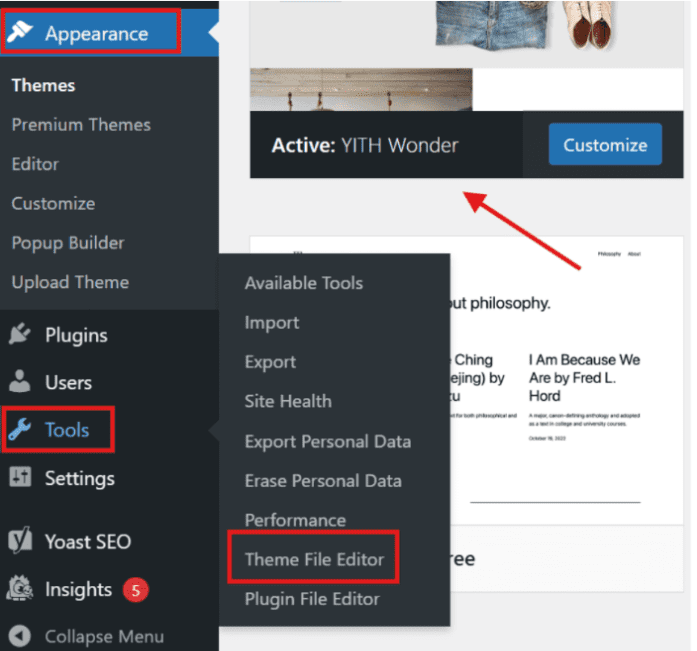
- Open the footer.php file.
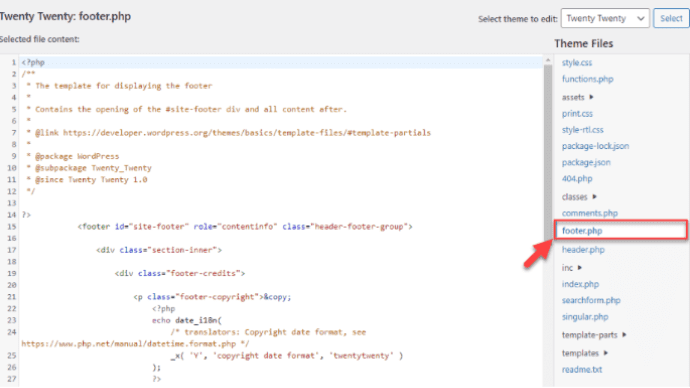
- Look for code containing “Proudly powered by WordPress”, often using <?php bloginfo(‘name’); ?> or similar.
- Carefully delete or replace the text with your custom footer message.
- Save changes and refresh your site to verify the update.
Warning: Updates to the theme can overwrite these changes, so this method is best for temporary or experimental edits.
Also read: Learn How to Edit a Footer in WordPress: A Complete Guide
4. Use a child theme to override footer templates
Using a child theme is the safest way to permanently remove or customize the footer credit, especially for client projects or long-term sites. A child theme allows you to override parent theme files without losing changes during updates.
Steps:
- Create a child theme for your current parent theme.
- Copy the footer.php from the parent theme into your child theme.
- Edit the copied footer.php to remove or replace the powered by WordPress text.
- Activate the child theme and check your site to ensure the footer is updated.
This method preserves all parent theme updates while keeping your custom branding intact.
By using these methods, you can safely remove or replace the WordPress footer credit without losing your site’s functionality and branding. Next, we’ll discuss why hiding the footer credit with CSS is not recommended and the possible problems it can cause.
Why you should avoid using CSS to hide the footer credit
Some site owners try to remove the “Powered by WordPress” footer using CSS tricks. While it may hide the text visually, this method does not actually remove it and can cause multiple issues.
It can violate theme licensing requirements
Many WordPress themes include footer credits as part of their licensing agreement. Hiding them with CSS may breach these terms, especially with premium or third-party themes. Always check your theme’s documentation before attempting any changes.
It can lead to SEO issues
Search engines can still read hidden footer text, which may appear manipulative. Using CSS to hide credits can affect your site’s SEO credibility and customer confidence. Proper removal through a customizer, plugin or child theme is safer.
Also read: SEO Basics: Complete Beginner’s Guide to Organic Growth
It causes accessibility problems
Screen readers and other assistive technologies can detect concealed text, creating confusion for people utilizing accessibility tools. This can make your site less open and harm user experience.
It’s a hacky and unreliable solution
CSS hiding does not remove the footer from the theme files, so updates as well as theme changes can restore the credit. This method is temporary and often causes layout or functionality issues.
Using CSS to hide the footer credit may seem quick, but it is unreliable and can create legal, SEO and access features issues. Next, we’ll explore how to safely replace the default footer credit with your own branding for a professional and polished website.
How to replace the default footer credit with your own branding?
Customizing your website’s footer is a great way to strengthen your brand and professionalism. Instead of leaving the default “Powered by WordPress” message, you can replace it with your own text, company name or copyright notice. This is especially important for client sites or professional projects where branding consistency matters.
Steps to replace the footer credit safely:
- Using the Theme Customizer
- Navigate to Appearance > Customize > Footer or Site Info.
- Replace the default text with your custom message.
- Save changes and preview your site to confirm the update.
- Using a Child Theme
- Copy the footer.php file to your child theme.
- Edit the Powered by WP include your branding or copyright information.
- Activate the child theme so your changes are safe from theme updates.
- Using a Plugin
- Install a footer credit plugin that allows custom footer text.
- Enter your custom message and save the settings.
- Plugins automatically handle theme updates without overwriting your branding.
Replacing the footer credit ensures your WordPress website reflects your brand identity, builds customer confidence and presents a professional appearance.
Final thoughts
Removing or replacing the “Powered by WordPress” footer credit is a common step for making your website look more professional and brand-aligned. Choosing the right method depends on your theme, technical comfort and whether you manage client sites.
For quick edits, the theme customizer or a plugin works well, while using a child theme offers a safer, long-term solution. Avoid CSS-based hiding, as it can create legal, SEO and assistive technology compatibility issues.
By customizing your footer, you ensure your WordPress website reflects your brand identity, builds visitor confidence and keeps a refined, professional appearance.
If you’re starting a new WordPress website or looking for reliable hosting to support these customizations, Bluehost WordPress Hosting provides an easy, secure and fully managed solution to help you get started.
FAQs
Yes, it is generally legal to remove the footer credit. WordPress is licensed under the GPL, allowing modifications. Just ensure you don’t remove any theme-specific credits protected by the developer’s licensing terms, especially in a default WordPress theme. Using a remove footer credit plugin can simplify the process and is considered safe. This article helpful guide explains the methods clearly.
If you remove the footer directly from theme files, updates can restore it. Using a child theme or a plugin technique secures your changes remain intact. Popular plugins like those compatible with the Inspiro theme automatically remove the default footer text. This keeps your copyright footer and branding safe even after updates.
Hiding the footer via CSS is not recommended. The text may still be detected by search engines or assistive tools and theme updates can restore it. It’s an unreliable method with accessibility and SEO risks. Instead, use the two methods outlined above for safe removal: plugin method or child theme edits in the footer area.
Properly removing or replacing the footer credit does not impact SEO or site performance. Issues only arise if done incorrectly, such as hiding text via CSS. Following the steps in this guide can help you keep a professional footer and even link to more posts for additional guidance.



Write A Comment