


Key highlights
- Discover how China’s Great Firewall blocks entire websites and censors content through IP-based filtering systems.
- Learn how to test your website’s accessibility from mainland China using reliable firewall testing tools.
- Understand the categories of content most likely to be restricted and how this impacts your business or personal access needs.
- Explore legitimate solutions and workarounds to access blocked content while respecting local regulations and compliance requirements.
- Optimize your website and hosting strategy to ensure maximum accessibility for Chinese users and markets.
Are you wondering “is this site blocked in China?” You’re not alone. Millions of website owners worldwide face accessibility challenges in mainland China due to the Great Firewall, a sophisticated system that controls internet access for over a billion users. Understanding whether your website is blocked in China and knowing how to address these issues is crucial for any business seeking to reach Chinese audiences or serve international users traveling to China.
This comprehensive guide will walk you through everything you need to know about China’s internet restrictions, from testing your website’s accessibility to implementing solutions that can restore access to your content. Whether you’re running a WordPress blog, an eCommerce store or a business website, this guide provides actionable insights to navigate China’s unique internet landscape effectively.
TL;DR: Is my website blocked in China?
- China’s Great Firewall can block websites using DNS poisoning, IP blocking, content filtering or server-level restrictions.
- You can test if your site is blocked using China-specific firewall testing tools and real-user checks inside China.
- Sites may not be fully blocked but still load extremely slowly due to latency, CDN restrictions and deep packet inspection.
- Common triggers include sensitive keywords, blocked third-party scripts, shared hosting IPs and incompatible CDNs.
- Fixes range from content cleanup and hosting changes to dedicated IPs and China-friendly CDNs.
Why websites get blocked in China?
China’s internet censorship system operates through multiple sophisticated mechanisms that can block your website instantly. Understanding these blocking methods is essential for diagnosing access issues and ensuring your site remains accessible to users in China.
1. The Great Firewall of China
The Great Firewall is a comprehensive internet censorship and surveillance system that monitors and controls information flow between China and the global internet. This sophisticated infrastructure employs DNS filtering, IP blocking, packet inspection and keyword filtering to regulate online content access. The system operates at multiple network layers and constantly evolves, meaning a website accessible today might become inaccessible tomorrow.
2. Content-based blocking (topics & keywords)
China maintains strict content guidelines that trigger automatic blocking for websites containing politically sensitive topics, news content, social media platforms or content deemed inappropriate by Chinese regulations. The keyword detection system analyzes not just visible text but also metadata, image alt-text and embedded code comments. Even seemingly innocent content can trigger blocks if it contains flagged keywords or references to blocked platforms.
3. Domain-level blocking
Entire domains can be blocked based on their primary content, business model or associations, with popular platforms like Facebook, Twitter, Google services and YouTube blocked at the domain level. This blocking method is immediate and comprehensive, affecting all content under the blocked domain including any subdomain or page. Domain blocking also extends to Content Delivery Networks (CDNs) and hosting providers, meaning your site may become inaccessible even if your content is completely benign.
4. IP address blocking
IP-based blocking targets specific server addresses, effectively cutting off access to all websites hosted on those servers, which is particularly impactful for shared hosting environments. If one website on a shared server gets blocked, it can affect accessibility for all sites on that server. Geographic IP blocking is also common, with certain international IP ranges being restricted or throttled, creating challenges for businesses using global hosting solutions.
5. DNS poisoning and injection
DNS poisoning involves returning incorrect IP addresses for blocked domains, effectively redirecting users away from intended websites to blank pages, different websites or connection timeout errors. This method is particularly insidious because it creates the impression that a website is simply unavailable rather than actively blocked. Website owners often struggle to identify the real cause of accessibility issues due to this deceptive blocking technique.
6. Hosting location and server signals
The physical location of your servers and hosting provider choice significantly impact accessibility in China, with websites hosted on servers with poor connectivity or using blocked CDN services experiencing reduced accessibility or complete blocking. Certain server configurations, SSL certificates or technical implementations can trigger blocking mechanisms. The Great Firewall continuously analyzes connection patterns, server responses and technical signatures to identify and block unwanted traffic.
To ensure your website remains accessible in China, regularly test your site using China-specific accessibility tools, choose hosting providers with strong China connectivity and avoid blocked CDNs or server configurations that trigger the Great Firewall’s detection systems.
How to check if your website is blocked in China?
Checking whether your site is accessible in China requires a systematic approach using specialized testing tools and understanding the complexities of the Great Firewall. Multiple testing methods can help you verify your website’s status and identify potential accessibility issues across different regions within mainland China.
1. Using online China firewall testing tools
Several reliable China firewall testing tools can quickly determine if your website is accessible from mainland China. Popular options include GreatFire, Blocked in China checker and VPN-based testing services that simulate access attempts from different Chinese locations. When testing your site, run multiple checks over several days from various testing servers to get a comprehensive picture, as results can vary based on location, timing and current network conditions.
2. Testing from mainland China vs. outside China
External testing tools may not always detect the same issues that users experience within mainland China, where access can be intermittent or partially blocked. For the most accurate results, work with contacts inside China who can perform real-world accessibility tests and report on actual user experience, including loading speeds and functionality issues. This human verification approach provides valuable insights that automated testing tools might miss, including regional variations in blocking behavior.
3. Understanding false positives and inconsistent results
China website block test results can show false positives or inconsistent outcomes due to the dynamic nature of the Great Firewall’s implementation. A website might be accessible from one testing location but blocked from another, or work at certain times but not others, often due to gradual rollout of blocking measures or regional differences in firewall configuration. Always verify concerning test results with multiple tools and testing methods before taking corrective action, as some sites may appear blocked when they’re actually experiencing unrelated connectivity issues.
Pro tip: Use a combination of automated testing tools and real-user feedback from multiple Chinese regions over a period of several days to get the most accurate assessment of your website’s accessibility status in China.
Why is my website slow in China even though it’s not blocked?
Your site isn’t technically banned. But it’s running into China’s internet infrastructure, which throttles connections to foreign servers, making pages crawl at frustrating speeds that drive users away.
1. Latency issues vs. actual blocking
High latency between international servers and Chinese users can create loading times so slow that websites appear broken or inaccessible. This “soft blocking” effect occurs even when no official censorship is in place, resulting from network infrastructure limitations and international connectivity restrictions.
Typical loading times for international websites in China can range from 10-30 seconds or longer, compared to 2-3 seconds for domestic Chinese websites. This dramatic difference in performance can significantly impact user engagement and conversion rates.
Distinguishing between performance issues and actual blocking is crucial for implementing the right solutions. Performance problems can often be resolved through technical optimization, while blocking issues require different approaches.
2. CDN and network routing problems
Many popular CDN services are blocked or heavily throttled in China, causing websites that rely on these services to load slowly or incompletely. Services like Google Fonts, Facebook SDKs, Twitter widgets and various analytics platforms can cause significant loading delays even when the main website content is accessible.
Network routing issues also contribute to slow loading times, as traffic between China and international servers often takes circuitous routes through limited international gateway connections. This routing can change dynamically based on network conditions and policies.
Identifying and replacing blocked third-party services with China-friendly alternatives can dramatically improve website performance for Chinese users.
How the Great Firewall affects page speed?
When your website traffic passes through the Great Firewall, multiple layers of inspection and filtering introduce significant latency that can dramatically slow down your site’s performance for users in China.
- Deep packet inspection & content analysis: Every request and response must pass through multiple layers of analysis, creating inherent delays even for allowed content. This inspection process adds significant overhead to international web traffic, impacting overall site responsiveness.
- SSL/HTTPS connection processing: Encrypted traffic requires additional processing and verification steps, with websites using complex SSL configurations or multiple certificate authorities experiencing longer connection establishment times. The Great Firewall’s scrutiny of secure connections can substantially increase page load times.
- Media & resource scrutiny: Images, scripts and multimedia content face additional inspection layers, with larger files experiencing proportionally longer delays. This extra scrutiny makes it essential to minimize file sizes and streamline content delivery for optimal performance.
To ensure your site remains accessible and performs well for Chinese audiences, prioritize aggressive content optimization, implement efficient caching strategies and consider using a China-compliant CDN to reduce the performance impact of these filtering mechanisms.
Key performance metrics for China website monitoring
When you test website in China, standard global benchmarks often fail to account for the latency introduced by the Great Firewall’s deep packet inspection and limited international gateways. To accurately gauge accessibility, focus on these adjusted metrics:
- Time to First Byte (TTFB): Measures initial server responsiveness. Target under 1.5 seconds to account for connection handshake delays caused by traffic inspection.
- First Contentful Paint (FCP): Marks when the first visual element appears. Target under 2 seconds to reassure users that the connection hasn’t timed out during slow international routing.
- Largest Contentful Paint (LCP): Times the main content load. Target under 4 seconds, as heavy media scrutiny often throttles bandwidth.
- Time to Interactive (TTI): Measures when the site becomes fully usable. Target under 5 seconds, since complex SSL processing can delay script execution.
- Total Blocking Time (TBT): Quantifies input responsiveness. Target under 300ms to ensure security filtering doesn’t freeze the browser.
Establish continuous monitoring for these metrics and set alerts to identify performance degradation immediately.
How to fix a website blocked in China?
Getting blocked in China isn’t the end of the road. There are ways to restore access, though success varies and you’ll need to stay on top of things.
1. Review and modify blocked content
Your first move? Audit your content. Run through everything (text, images, links, embedded media) and look for anything that could trigger censorship filters. What seems harmless to you might contain keywords or references that set off alarms. Remove or rework flagged terms, update meta descriptions and alt-text and swap out links to blocked sites with alternatives that won’t get you blacklisted.
2. Change hosting or use China-optimized infrastructure
Switching to hosting in mainland China can dramatically improve your odds, but here’s the catch: you’ll need an ICP license, and that registration process isn’t quick or simple. If that’s too much hassle, try hosting providers with strong connectivity to China or pick servers in Hong Kong or Singapore. Some hosts specialize in China accessibility and offer configurations designed specifically for getting past the Great Firewall.
3. Consider using a dedicated IP address
A dedicated IP address can significantly improve your website’s accessibility in China. When your site shares an IP with hundreds of other websites on shared hosting, you’re vulnerable to guilt by association. If any of those sites gets flagged by China’s firewall, your IP might get blocked too. Bluehost dedicated hosting plans come with a dedicated IP address, giving your website its own unique identity separate from other sites. This isolation means your site stands alone with its own reputation, reducing the risk of collateral blocking.
4. Use a China-friendly CDN or reverse proxy
A CDN that operates within China or has solid connections to Chinese networks can be a gamechanger. These services comply with local regulations while delivering content fast. Reverse proxies work similarly—they cache your content and serve it through China-optimized infrastructure. Just make sure whatever solution you pick plays by China’s rules and actually delivers reliable performance for your audience.
5. When VPNs help and when they don’t
Let’s be real: VPNs aren’t a solution for reaching Chinese users. VPN usage is restricted in China, and many services get blocked or throttled regularly. They’re useful for you as a site owner—testing accessibility, troubleshooting issues. But don’t expect your audience to rely on them. Your content needs to be accessible directly, not through workarounds that might stop working tomorrow.
6. Alternative access methods (direct routing, mirrors)
Creating mirror sites with different domains or setting up WeChat mini-programs can give you backup options when your main domain gets blocked. Choose compliant hosting, make sure your content follows the rules and set up proper redirects to protect your SEO. Keep in mind these alternatives need ongoing maintenance, and if they’re spotted as circumvention attempts, they could face blocking too.
Bottom line: Fixing China blocks requires a multi-pronged approach. Start with content cleanup and hosting adjustments, then layer in dedicated IP solutions or CDN services as backup. Consider infrastructure that gives you more control and isolation from potential blocking issues. Whether you’re looking to restore access or prevent future blocks, choosing the right hosting foundation makes all the difference.
Ready to take control of your website’s accessibility? Get Bluehost dedicated hosting today. We offer dedicated resources and the flexibility to scale as your needs evolve because reliable global access starts with the right infrastructure.
Do you need an ICP license to be accessible in China?
Understanding ICP licensing requirements is crucial for businesses serious about serving Chinese markets through locally hosted infrastructure.
What an ICP license is?
An ICP (Internet Content Provider) license is a permit required by the Chinese government for hosting websites or providing internet content services within mainland China. This license system helps authorities track and regulate online content while ensuring compliance with Chinese internet laws.
The ICP system includes both basic filing requirements (ICP Beian) for informational websites and commercial licenses (ICP License) for businesses engaging in commercial activities online. Each type has different requirements, processing times and ongoing compliance obligations.
Obtaining an ICP license involves detailed documentation, background checks and ongoing compliance monitoring, making it a significant commitment for foreign businesses.
When an ICP license is required?
ICP licenses are mandatory for any website hosted on servers within mainland China. This includes both Chinese and foreign businesses that choose to host their websites locally for improved performance and accessibility.
Commercial ICP licenses are required for businesses selling products or services, collecting user data or generating revenue through their websites. Even non-commercial websites need basic ICP filing if they’re hosted within China.
The license requirements extend to mobile applications, WeChat mini-programs and other digital services, making it a comprehensive regulatory framework for online activities.
When can you avoid an ICP license?
Websites hosted outside of mainland China don’t require ICP licenses, even if they serve Chinese users. This includes sites hosted in Hong Kong, which operates under different internet regulations due to its special administrative status.
However, avoiding ICP licensing often means accepting slower performance, potential accessibility issue and limitations on certain business activities within China. The trade-off between regulatory compliance and operational flexibility is a key consideration for international businesses.
Some businesses operate hybrid approaches, using international hosting for their primary website while developing separate, ICP-licensed properties for specific Chinese market activities.
ICP Filing vs ICP Commercial License
ICP Filing (Beian) is the basic registration required for all websites hosted in China, primarily for informational purposes. This process typically takes 7-20 business days and involves providing company documentation and website details.
ICP Commercial Licenses are required for revenue-generating activities and involve more extensive documentation, including business licenses, financial records and detailed operational plans. This process can take several months and requires ongoing compliance reporting.
Understanding which type of license you need depends on your business model, revenue activities and long-term China strategy.
Common challenges for foreign websites in China
Beyond blocking and licensing, foreign websites face numerous technical and operational challenges when serving Chinese audiences.
1. Search engine indexing limitations
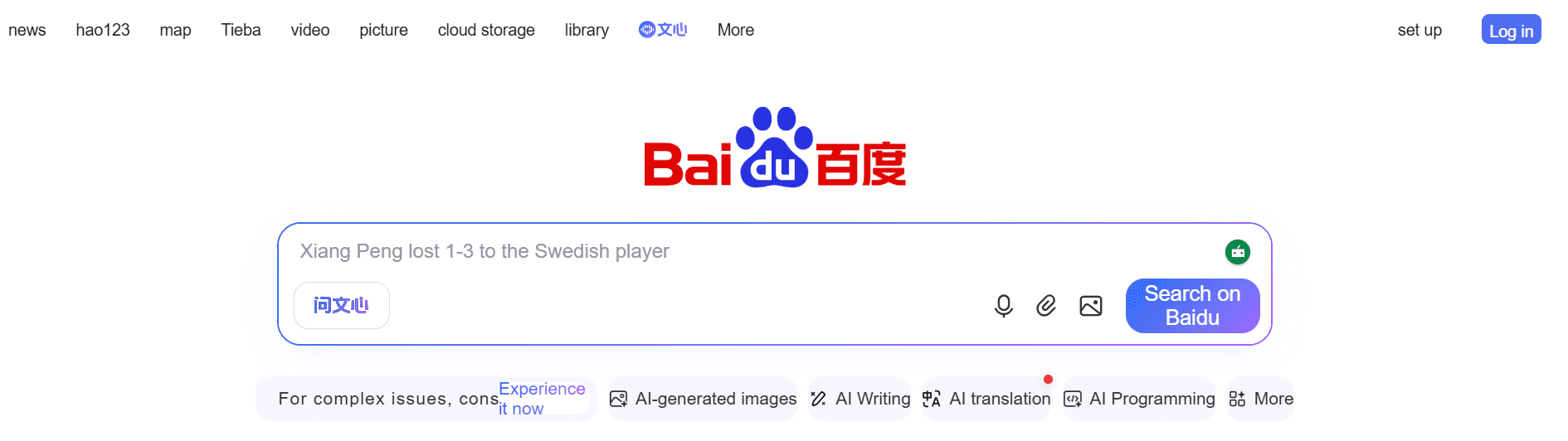
Popular search engines like Google are blocked in China, while Baidu, China’s dominant search engine, has different indexing requirements and algorithms. Websites optimized for Google may perform poorly in Baidu search results without specific optimization efforts.
Baidu prefers websites hosted within China, content in simplified Chinese and compliance with Chinese web standards. International websites often struggle to achieve good visibility in Chinese search results without dedicated localization efforts.
Additionally, many international SEO tools and analytics platforms are inaccessible in China, making it difficult to monitor and optimize website performance for Chinese audiences.
2. JavaScript, fonts and third-party script blocking
Many popular web development resources are blocked in China, including Google Fonts, JavaScript libraries hosted on blocked CDNs and various analytics or advertising scripts. Websites relying on these resources may appear broken or function poorly for Chinese users.
Common blocking issues include Google Fonts causing slow loading, Facebook Twitter widgets preventing page completion and analytics scripts that prevent proper page functionality. These problems often go unnoticed by international developers who don’t regularly test from within China.
Replacing blocked resources with China-accessible alternatives requires ongoing monitoring and maintenance, as blocking patterns change regularly.
3. Analytics and tracking restrictions
Popular analytics platforms like Google Analytics are blocked in China, creating blind spots in user data and performance monitoring. This makes it difficult to understand Chinese user behavior, optimize conversion funnels and measure marketing effectiveness.
Alternative analytics solutions include Chinese platforms like Baidu Analytics, or specialized services that provide China-specific tracking capabilities. However, these often require additional setup and may not integrate seamlessly with existing marketing tools.
Privacy regulations in China also affect data collection and user tracking, requiring careful consideration of compliance requirements for any analytics implementation.
4. Real User Monitoring (RUM) in China
Understanding actual user experience in China requires specialized real user monitoring solutions that can operate within China’s internet environment. Traditional RUM tools may not provide accurate data due to blocking or connectivity issues.
Effective RUM for China often requires deploying monitoring infrastructure within China or using specialized services that maintain monitoring capabilities despite internet restrictions. This data is crucial for identifying performance issues and optimization opportunities.
Without proper RUM, businesses may not realize the extent of accessibility or performance issues their Chinese users face, leading to missed opportunities and poor user experiences.
Final thoughts
Navigating China’s Great Firewall requires understanding its complex blocking mechanisms, from content filtering and IP restrictions to DNS manipulation and performance throttling. Regular testing using specialized tools, combined with strategic hosting decisions and content compliance, can help maintain accessibility for your Chinese audience.
The key to success lies in choosing hosting solutions that provide dedicated resources and isolation from potential blocking issues that affect shared hosting environments. While challenges exist, businesses can achieve reliable access through proper infrastructure planning and ongoing monitoring of their website’s performance in China.
Take control of your global accessibility with Bluehost dedicated hosting. Our dedicated IP addresses and scalable infrastructure give you the foundation needed to reach audiences worldwide while maintaining optimal performance and security.
FAQs
Use a China firewall testing tool to check your website’s accessibility. Enter your URL into specialized checkers that simulate access from Chinese servers. Results show if the Great Firewall blocks your site across different regions in China.
Several free online tools test website accessibility in China, including China Firewall Test, Comparitech and ViewDNS. These services check your site from multiple Chinese locations and provide real-time blocking status within seconds.
Websites may be blocked for containing prohibited content, using blocked third-party services or sharing servers with restricted sites. Political content, social media widgets and certain CDNs commonly trigger the Great Firewall’s filtering system.
Yes, multiple free testing tools allow you to check if your site is accessible in China. These services require no registration and provide instant results showing your website’s status across different Chinese provinces and cities.
Testing typically takes 10-30 seconds. Most China firewall checkers run simultaneous tests from multiple locations and display results quickly. However, comprehensive tests checking all Chinese regions may require additional time to complete thoroughly.
WordPress sites aren’t automatically blocked, but may face restrictions if using blocked plugins, themes or external resources. Test your specific WordPress site using China accessibility checkers to verify its current status and identify potential blocking issues.
Blocked websites display connection timeouts, error messages or fail to load completely for users in China. The Great Firewall prevents access by filtering DNS requests, blocking IP addresses or disrupting specific URLs containing restricted content.
Unblocking requires removing prohibited content, switching blocked services and ensuring compliance with Chinese regulations. Consider using China-friendly hosting, removing blocked third-party scripts and obtaining ICP licensing for legitimate business operations within China.
No, not every foreign website is blocked in China. Many international business websites, educational institutions and news outlets remain accessible. Blocking typically targets specific categories like social media platforms, news sites with sensitive content or websites with political messaging. However, even accessible sites may experience slow loading times due to network infrastructure limitations.
Website blocking can happen immediately upon detection or may take weeks or months depending on the content and blocking mechanism involved. Automated systems can block sites within hours of detecting flagged keywords, while manual review processes may take longer. The blocking process is not always immediate or predictable, making continuous monitoring important for businesses serving Chinese audiences.
Yes, your hosting provider and server location can directly impact accessibility in China. Websites hosted on blocked IP ranges, servers with poor China connectivity or providers that have been flagged may experience blocking or severe performance issues regardless of content. Choosing hosting with good China connectivity or Chinese hosting providers can significantly improve accessibility.
WordPress websites aren’t automatically blocked, but WordPress.org itself is blocked in China, making it difficult to access WordPress resources, plugins or updates from within China. Many WordPress sites remain accessible, though they may load slowly. The key is ensuring your WordPress site doesn’t rely on blocked third-party services and uses China-friendly hosting infrastructure.



Write A Comment