
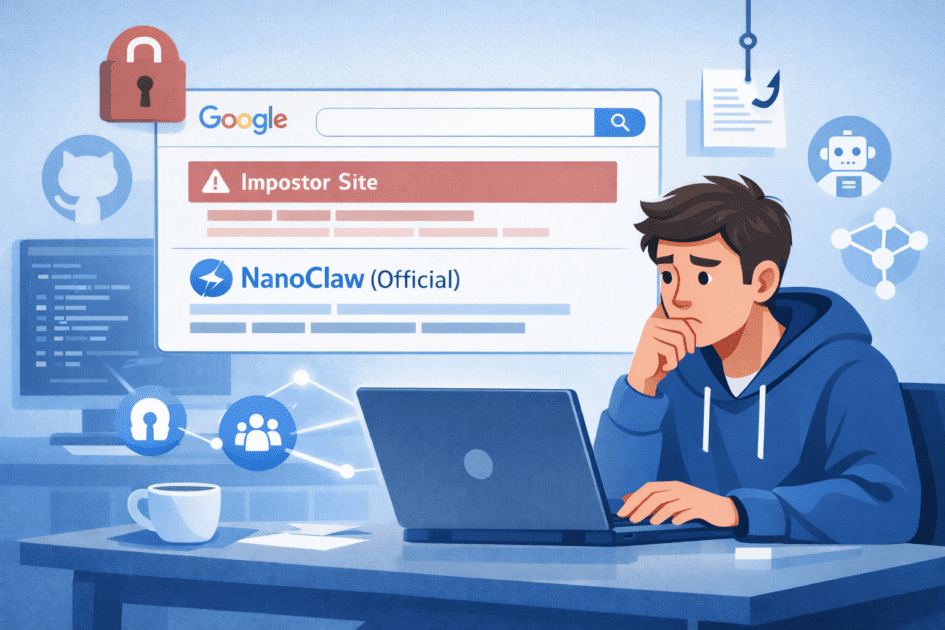


A new AI project called NanoClaw quickly gained attention among developers. Its GitHub repository collected thousands of stars and growing community buzz.
But there was one unexpected problem.
Before the creator launched an official website, someone else registered a domain related to the project name. That site copied documentation and published a simple landing page.
Soon, the unofficial website began appearing in Google search results for the project.
This situation highlights the importance of owning a domain early. Many founders overlook why startups need a website until their product gains attention. When you register a domain early, you establish a clear online identity before someone else claims your brand name.
What happened with the NanoClaw project?
NanoClaw is a lightweight AI agent framework that quickly attracted developer interest among developers, with its GitHub repository gained thousands of stars and strong community discussion.
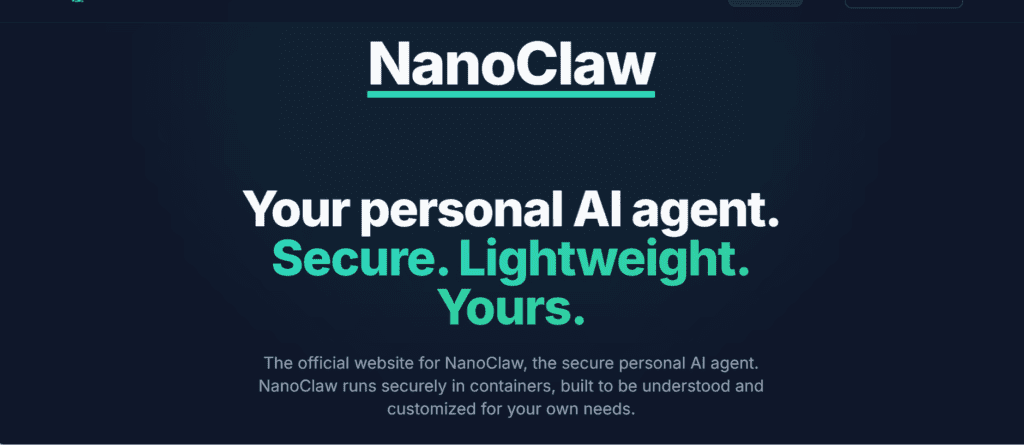
However, the project launched without an official website.
Before the creator secured a domain, another person claimed a similar web address. They launched a simple landing page using content taken from the project documentation.
Search engines soon discovered and indexed that page.
Because the domain appeared first, Google began associating the project name with the impostor site. As developers searched for NanoClaw, the unofficial page started appearing in search results.
This situation shows how quickly search visibility can shift when a project lacks an official domain or website.
Why did the impostor website rank on Google?
Search engines do not automatically know which website represents the real creator. They rely on signals that help determine relevance and authority.
In this case, the impostor site benefited from several SEO advantages.
Key signals that helped the impostor website rank:
- Early indexing advantage – The domain appeared online before the official website existed. Search engines discovered and indexed it first.
- Exact brand relevance – The registered domain closely matched the project name, strengthening its topical relevance in search results.
- Keyword rich documentation content – The site copied project documentation. This content already contained relevant keywords and technical descriptions.
- Search association signals – Once Google connects a brand name with a domain, that relationship can persist for some time.
Together, these signals helped search engines associate the project name with the unofficial website.
This example shows how owning your domain also ensures you control your brand identity and where your audience finds the latest updates.
The lesson many startups learn too late
Many founders focus on building the product first and delay launching a website. That decision can create unexpected problems later.
When a project gains attention without an official site, search engines and users look elsewhere for information. Sometimes that gap gets filled by unofficial or misleading sources.
This incident explains why startups need a website early in their journey. A website provides a clear home for your product, updates and documentation.
It also reinforces the startup website importance for brand visibility. When your domain becomes the primary source of information, search engines can clearly associate your product with the correct website.
Even a simple landing page can establish credibility and help audiences identify the official source behind a project.
Also read: How to Build a Landing Page That Converts: The Ultimate Guide
Why website still matters in the GitHub era?
Many developers assume that launching a project on GitHub is enough. GitHub is excellent for hosting code and documentation, but it is not designed to represent your brand online.
A GitHub repository serves developers. A website serves your broader audience, including users, contributors and potential partners.
A website allows founders to:
- Control branding and messaging – Your website explains the product in your own words.
- Create an authoritative source for search engines – Search engines rely on domains to understand which site represents a brand.
- Attract backlinks and mentions – Articles, communities and developers link to your official domain.
- Prevent impersonation websites – Owning your domain reduces the risk of others claiming your project name.
Launching a website does not require a complex setup. Even a simple landing page can signal ownership and establish credibility.
Founders can launch a starter website using platforms like Bluehost WordPress hosting or the Bluehost Website Builder, allowing teams to publish a site quickly while their product continues to evolve.
The internet rewards whoever shows up first
Search engines often trust the first credible source they discover for a topic or product.
When a website appears early, it begins building visibility, backlinks and search authority. Over time, those signals help search engines understand which source represents the brand.
If an unofficial site appears first, that early advantage can influence how the project is interpreted in search results.
The NanoClaw situation highlights how timing can shape online visibility. While the original project gained developer interest, the absence of an official site allowed another domain to capture early search attention.
The NanoClaw story shows how quickly online visibility can shift when a project gains attention without an official website.
Before launching a new product or side project, founders should register a domain early and establish a simple online presence.


Write A Comment