


Key highlights
- Discover the most common reasons why WordPress images fail to display on your live site and how to quickly diagnose the root cause.
- Learn proven troubleshooting techniques to fix broken images, including file permission fixes, URL corrections and plugin conflicts.
- Understand how to prevent image display issues through proper media library management and optimization best practices.
- Explore step-by-step solutions for resolving cache, CDN and SSL-related image problems on WordPress sites.
- Uncover expert tips for ensuring your images remain visible after migration, theme changes or WordPress updates.
Nothing frustrates visitors faster than broken images on your site. When images fail to load, you’re not just dealing with a technical glitch—you’re actively hurting your SEO rankings, damaging your professional credibility, and driving potential customers away. Mastering image troubleshooting empowers you to maintain a polished, high-performing website while saving time and money on support costs.
This guide will explain the causes of why images don’t show up and what to do about it.
What is the WordPress images not displaying error?
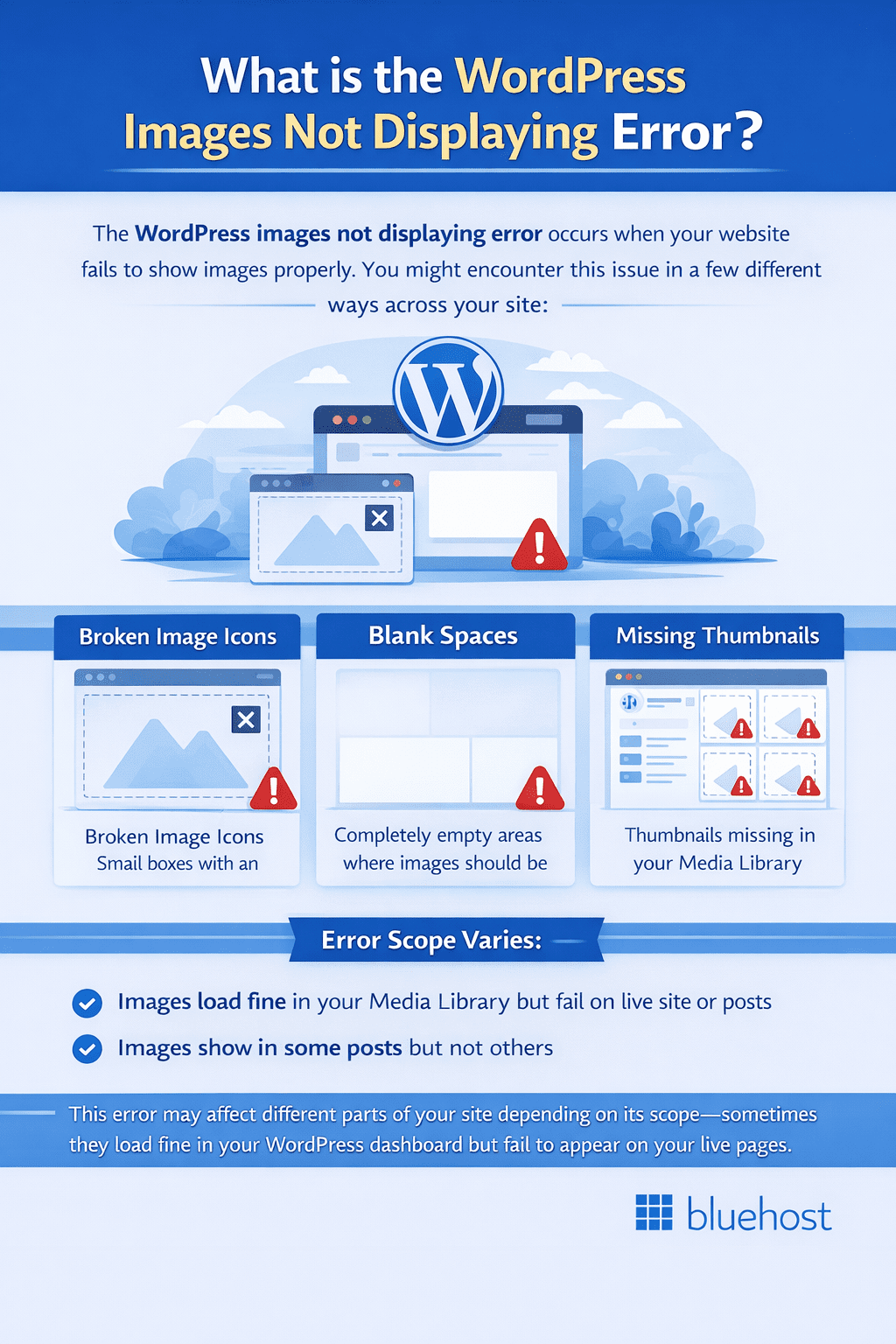
The WordPress images not displaying error occurs when your website fails to show images properly, manifesting in several distinct ways across your site. You might see broken image icons (typically a small box with an “X” or mountain symbol), completely blank spaces where images should appear or missing thumbnails in your Media Library. This issue can affect your site differently depending on its scope—images might load fine in your WordPress dashboard’s Media Library but fail to display on the live front-end pages or they could appear on some posts but not others.
The problem can range from a single image not showing to site-wide image failures across all pages and templates. You might notice images missing only on specific post types, particular page templates or certain image sizes while others display correctly.
Here are key signs you’re dealing with an image display issue rather than slow loading:
- Images never appear even after waiting several minutes
- Placeholder icons show instead of images
- The image space appears completely empty with no loading indicator
- Other site elements load normally while images consistently fail
These symptoms indicate a configuration or technical problem rather than simple connectivity issues.
Why are images not showing up in WordPress?
One of the common reasons for images not showing in WordPress is an issue with the Media Library, which contains your pictures, videos and audio files. Usually, the problem is caused by:
- An incompatible plugin
- A conflicting theme
- Incorrect file permissions
- Wrong file location settings
Why do WordPress images stop showing?
When WordPress images previously displayed correctly but suddenly stop showing, the issue typically stems from recent changes to your website. The most common culprits include:
- Plugin or theme updates that conflict with image display
- Caching changes that prevent new images from loading
- File permission modifications during hosting migrations
- Hotlink protection settings blocking image access from your own domain
To pinpoint when the problem started, ask yourself the following questions to help trace the root cause:
- Did you recently update any plugins or your theme?
- Have you changed hosting providers or migrated your site?
- Did you install new caching or security plugins?
- Have you modified any website settings or file permissions?
Additionally, check if the issue affects all images or only specific ones, as this can indicate whether it’s a site-wide configuration problem or isolated file issues.
How does WordPress handle image files?
WordPress stores all uploaded images in the wp-content/uploads folder on your server, automatically organizing them into subfolders by year and month. When you upload an image, WordPress creates multiple versions—thumbnail, medium and large—and stores references to these files in the database, including the file path and metadata.
This system explains why images may fail to show:
- Physical files vs. Database: If files are deleted from the server but the database record remains, the Media Library will show a “broken” image icon.
- Path mismatches: Visitors see broken images because the browser cannot find the file at the path stored in the database.
Troubleshoot images not showing in WordPress
To fix WordPress images not showing on your website, follow the troubleshooting steps below. Before you get started, please log in to your WordPress Dashboard. We advise that you create a backup of your website before making any changes.
How to fix WordPress images not loading error?
If your image is not showing in WordPress, start with a systematic troubleshooting approach to identify the root cause. Begin with the simplest fixes first, testing one change at a time to isolate the issue effectively.
- Clear caches: Clear your browser cache and test the site in a different browser to rule out local caching issues.
- Test image URLs: Right-click on a broken image, copy the image address and paste it into a new tab. If it fails to load, the file may be missing or corrupted.
- Verify URL settings: Go to Settings > General and ensure the WordPress Address and Site Address match your actual domain.
- Regenerate thumbnails: If images appear in the Media Library but not on the front end, use a plugin like “Regenerate Thumbnails” to rebuild missing sizes.
- Check file permissions: Examine your uploads folder in the hosting control panel; it should typically have 755 permissions.
- Review hotlink protection: Ensure your hosting provider’s hotlink protection isn’t blocking your own domain (add both with and without “www”).
- Test plugins: Temporarily disable caching or optimization plugins, test the issue, then re-enable them one by one to find conflicts.
8 quick fixes for WordPress images not loading
Before diving into complex troubleshooting, try these quick fixes that resolve most image display issues in WordPress.
- Clear your website cache and browser cache, then refresh the page to check if images load.
- Copy the image URL and paste it directly into your browser address bar to verify it loads correctly.
- Edit the affected page or post, make a small change and re-save to trigger a refresh.
- Use a plugin like “Regenerate Thumbnails” to recreate missing image sizes and thumbnails.
- Check your Media Library to confirm the image file still exists and hasn’t been accidentally deleted.
- Test the page in an incognito or private browser window to rule out browser-specific issues.
- Perform a hard refresh (Ctrl+F5 on PC, Cmd+Shift+R on Mac) to bypass cached content.
- Verify the image format is WordPress-supported (JPG, PNG, GIF, WebP) and files aren’t corrupted.
Alternate method 1: Deactivate plugins
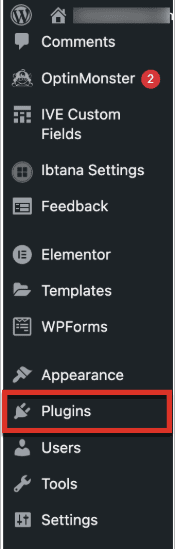
- On the left menu, click Plugins.
2. Click on the checkbox Plugin to select all and choose Deactivate from the Bulk Actions drop-down menu.
3. Select Apply to proceed.
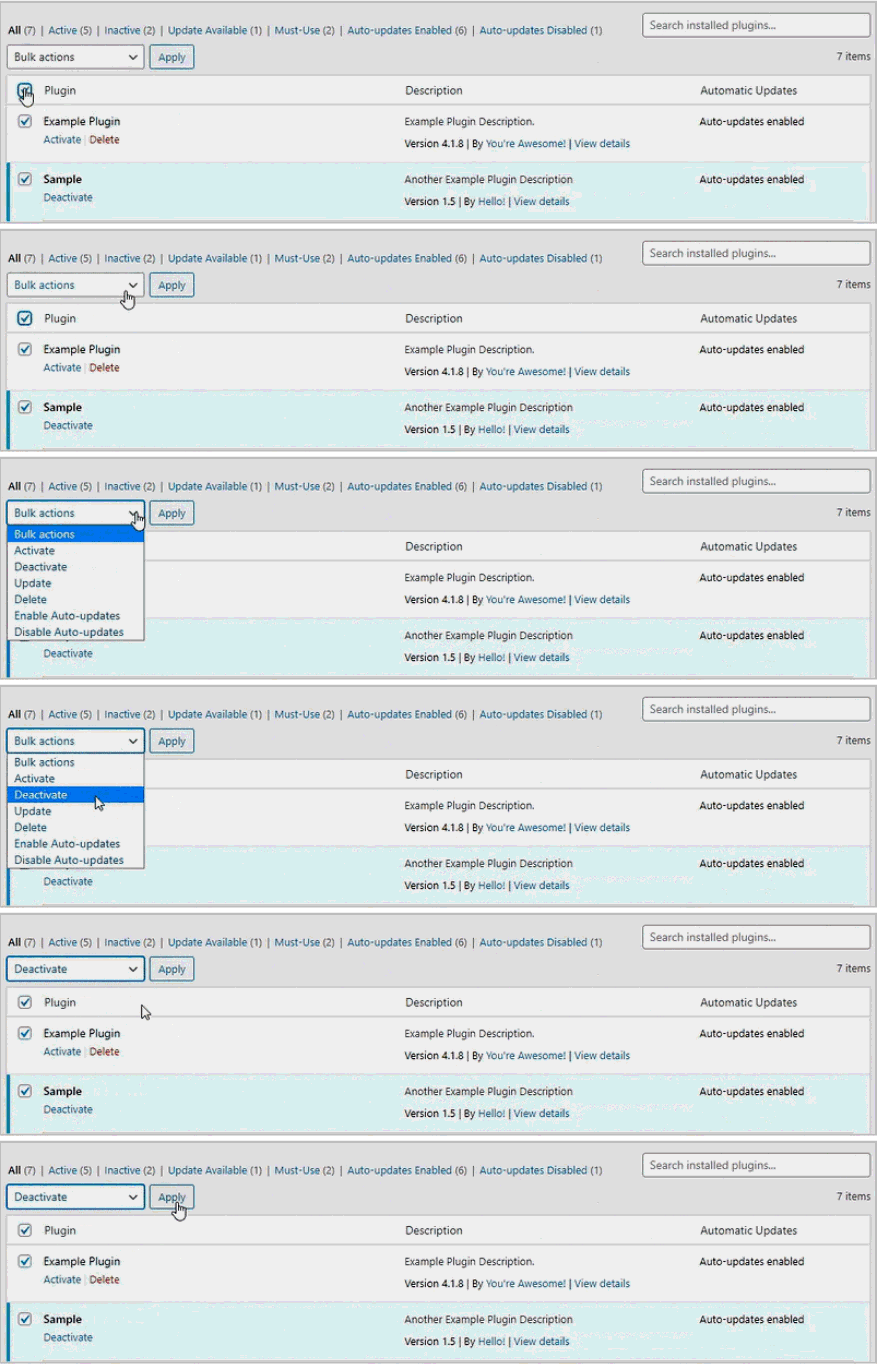
This action will not remove or uninstall your plugins. You can reactivate them if the images are still not showing on the website. But if the images load, then one of the plugins is causing the issue. Activate each plugin individually to figure out which plugin is causing the problem.
Alternate method 2: Deactivate themes
1.On the left menu, click Appearance, then select Themes.
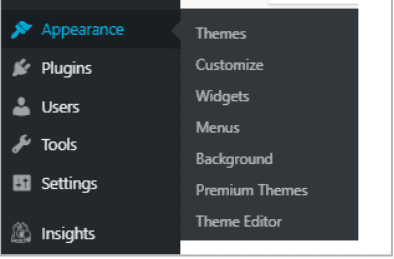
2. On the list of your themes, activate a different template from the one you were currently using. This will not remove your current theme setting.
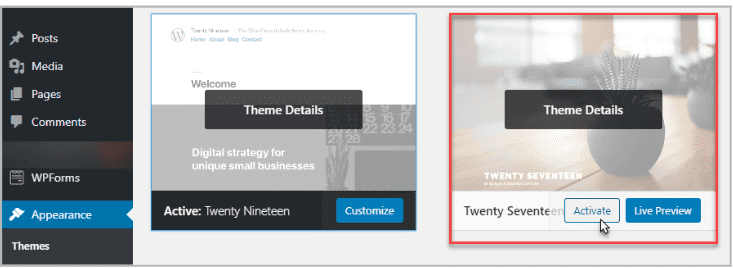
If the images load, it has something to do with the current theme. Check if it’s compatible with your existing WordPress version by contacting the theme developer or if the PHP version needs to be updated. To learn more, please see the article: PHP Version Selection.
How to fix WordPress file permissions for images?
Incorrect file permissions can prevent WordPress from accessing or displaying uploaded images. This typically happens after site migrations or hosting changes when permission settings become too restrictive.
To safely diagnose and fix permission issues:
- Access your hosting control panel’s File Manager.
- Navigate to the
wp-content/uploadsfolder. - Compare permission settings with other working folders (recommended permissions are usually 755).
- Use the “restore default permissions” option provided by most hosting panels if available.
- Contact support instead of manually adjusting values if you are unsure, to avoid compromising security.
How to repair WordPress database for images?
Database corruption can cause WordPress images not showing due to broken attachment references, missing media metadata or incorrect URLs after site migrations. Follow these steps to resolve database-related image issues:
- Backup first: Always create a complete database backup before attempting any database repairs or modifications.
- Check site URL settings: Verify WordPress Address and Site Address in Settings > General match your current domain.
- Scan for mixed content: Look for HTTP/HTTPS mismatches in attachment URLs that prevent images from loading.
- Validate attachment URLs: Confirm all media file paths reference your current domain, not old or temporary URLs.
- Consider database optimization: If corruption is suspected, use tools like WP-CLI or phpMyAdmin’s repair function, but proceed with extreme caution.
- Test thoroughly: After any database changes, verify images display correctly across your site before proceeding.
Why are images not showing after SSL installation?
After SSL installation, images may disappear due to “mixed content” errors, where your secure HTTPS site tries to load insecure HTTP images. To fix this:
- Navigate to Settings > General and verify both WordPress Address and Site Address use “https://” instead of “http://”.
- Install the Really Simple SSL plugin to automatically update URL references.
- Use a Better Search Replace plugin to find “http://[yourdomain]” and replace it with “https://[yourdomain]” in your database.
- Clear your browser cache and refresh your site to confirm images are displaying.
How do I fix images broken by caching plugins?
- Clear all caches on your site—including page cache, browser cache, CDN cache and object cache—then refresh your site to check if images reappear. Most caching plugins provide a “Clear All Cache” button in your WordPress dashboard.
- Temporarily deactivate your caching plugins like W3 Total Cache, WP Rocket or WP Super Cache to determine if caching is causing the issue. If images load correctly after deactivation, the caching plugin is the culprit.
- Reactivate your caching plugin and navigate to its settings to exclude image file types (JPG, PNG, GIF, WebP) from aggressive minification or optimization features that may be corrupting image output.
- Adjust lazy loading settings in your caching plugin to exclude problematic images or disable lazy loading entirely for critical images like featured images and logos.
- If you’re using Bluehost’s built-in page caching feature, access your control panel to clear the cache or temporarily disable it while testing to confirm image display issues.
How to fix lazy loading breaking image display?
- Navigate to your WordPress dashboard and access your performance or optimization plugin settings (such as WP Rocket, W3 Total Cache or similar caching plugins).
- Temporarily disable lazy loading by unchecking the lazy loading option or setting it to “off” in your plugin’s image optimization settings.
- Clear your website cache completely and test if your WordPress images are now showing on the live site.
- If images display correctly, reactivate lazy loading but exclude problematic pages or specific images from lazy loading in your plugin’s exclusion settings.
- Switch to a default WordPress theme (like Twenty Twenty-Four) temporarily to test if theme conflicts are causing the WordPress images not showing issue.
- Re-enable lazy loading gradually while monitoring affected pages, adjusting exclusion rules as needed until all images display properly without conflicts.
Disable hotlinking
Hotlinking happens when other sites use your images and bandwidth. Protection settings can accidentally block your own images if configured incorrectly. To diagnose and fix this:
- Log in to cPanel and find Hotlink Protection under Security.
- Check the allowed URLs list. Ensure it includes your domain in both formats:
[domain].comandwww.[domain].com. - If you use a CDN (like Cloudflare), ensure its URLs are also allowed.
- Alternatively, check your
.htaccessfile forRewriteCondrules blockingHTTP_REFERERthat might be too restrictive.
If you confirm hotlink protection is enabled, you must add your domain and subdomains to the URLs in the Allow Access list. For more details, see our Hotlink Protection Setup article.
How to change the default image sizes in WordPress?
WordPress generates multiple image sizes automatically (Thumbnail, Medium and Large). If these are set to zero or incorrect values in Settings > Media, your theme may fail to display images properly.
To resolve dimension-related issues:
- Navigate to Settings > Media in your dashboard.
- Verify or reset standard sizes: Thumbnail (150×150), Medium (300×300) and Large (1024×1024).
- Save your changes.
- Use a plugin like “Regenerate Thumbnails” to rebuild existing images with these corrected dimensions.
Some images not showing on the live site
When images display correctly in your WordPress editor and Media Library but fail to appear on specific pages, posts or in certain sizes on your live site, you’re dealing with a selective display issue.
- Identify the pattern: Note exactly which pages, posts or image sizes are affected. Check if the issue is limited to a specific template, post type or content area on your site.
- Test in incognito mode: Open an incognito or private browser window and visit the problematic page. This eliminates caching and browser-specific issues from your diagnosis.
- Verify the image URL: Right-click where the image should appear, select “Inspect Element” and check if the image source URL loads when pasted directly into your browser.
- Check image file paths: Confirm the image still exists in your Media Library and that the file path hasn’t changed due to recent updates or migrations.
- Test different image sizes: Try replacing the problematic image with a different size version to determine if the issue is size-specific.
If images load in some areas but not others, the problem is likely related to your theme’s template structure, caching conflicts or specific plugin interactions rather than general hosting or permission issues.
Why do images load on desktop but not mobile?
Images that display on desktop but fail on mobile typically result from theme responsive settings, aggressive mobile optimization or CSS rules that hide images at specific screen sizes.
To diagnose mobile-specific image problems:
- Test your site on multiple devices and in incognito mode.
- Temporarily disable mobile optimization plugins and lazy loading.
- Use browser developer tools to check for CSS properties like
display:noneon mobile views. - Verify that your CDN configuration isn’t blocking mobile traffic.
Why are WooCommerce product images not displaying?
WooCommerce product images require specific configuration separate from standard WordPress media settings. Misconfigured dimensions often result in missing or incorrectly sized product photos on your live store.
Common causes:
- Catalog image sizes set too small to display properly.
- Theme overrides conflicting with WooCommerce’s default gallery.
- Plugin conflicts from extensions handling image optimization or lazy loading.
How to fix:
- Verify image dimensions in Appearance > Customize > WooCommerce > Product Images match your theme’s requirements.
- Regenerate product thumbnails using a plugin specifically configured for WooCommerce dimensions.
- Temporarily deactivate WooCommerce extensions one at a time to identify conflicts.
Why is my WordPress featured image not showing?
Featured images are controlled by your theme rather than the post content area. They appear in headers, archives and homepage listings. If they aren’t showing, check for these common causes:
- Theme configuration: Your theme may not be set to display featured images on that specific post type.
- Size requirements: The image dimensions may not meet the theme’s requirements for thumbnails.
- Caching issues: Plugins may be preventing updated featured images from loading.
- Assignment error: The image might not be properly set in the post settings panel.
How to upload a featured image in WordPress
Sometimes featured images don’t appear simply because they weren’t set correctly—a common beginner mistake. Before troubleshooting complex issues, verify you’ve properly assigned a featured image to your post by following these steps:
1.Open your post or page in the WordPress editor (Block Editor or Classic Editor).
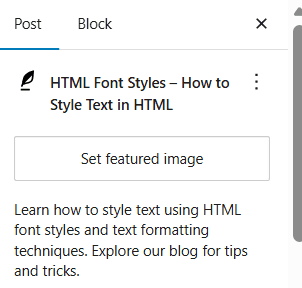
2. Locate the “Featured Image” panel in the right sidebar. If it’s not visible, click the three-dot menu and enable it under “Preferences.”
3. Click “Set featured image” in the panel.
4. Select an existing image from your Media Library or upload a new file from your computer.
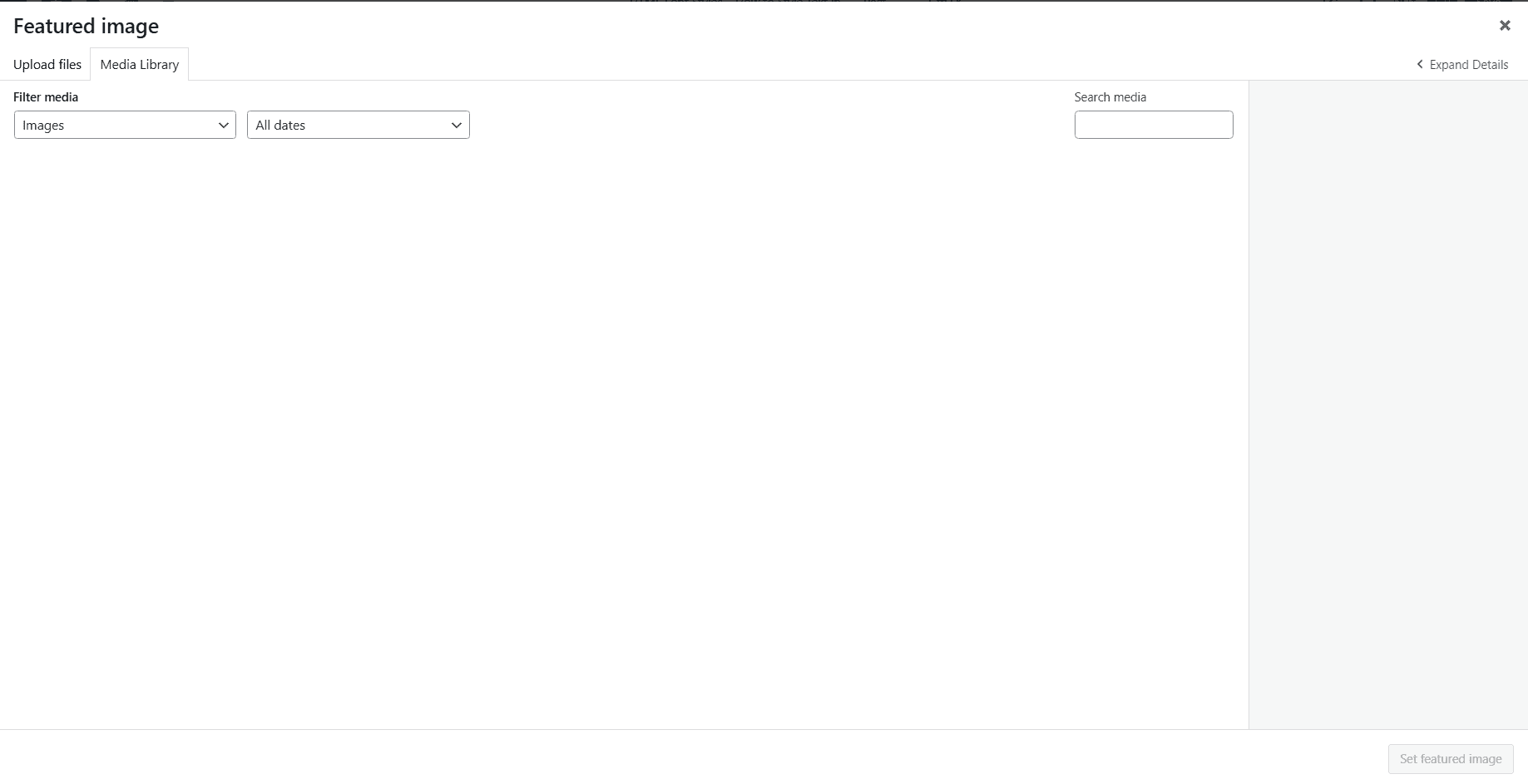
5. Click the “Set featured image” button to confirm your selection.
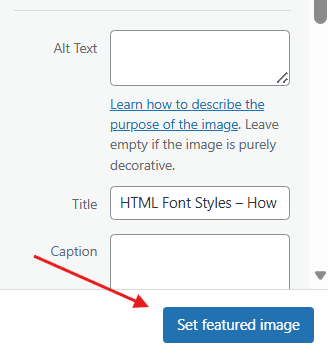
6. Update or republish your post to apply the change to your live site.
What to do if the WordPress featured image not showing due to dashboard settings?
If your featured image isn’t appearing, start by checking your dashboard and theme settings:
- Check Post Settings: Ensure the “Featured Image” box is visible in your editor sidebar. If missing, check “Screen Options” or “Preferences”.
- Verify Post Status: Confirm the post is “Published” and not “Draft” or “Private,” as visibility settings can hide images.
- Review Theme Options: Go to Appearance > Customize and look for settings that might disable featured images on specific pages.
- Test Default Theme: Switch to a default theme (like Twenty Twenty-Four) to see if the image appears, ruling out theme-specific bugs.
Ensure featured images always show in posts and pages
To prevent featured image issues, establish a consistent workflow. Use standard image sizes (e.g., 1200×630 pixels) and always upload via the Media Library. Before publishing, run through this quick checklist:
- Confirm a featured image is set in the editor panel.
- Verify the image displays correctly in Preview mode.
- Check that the file isn’t corrupted or excessively large.
- Ensure your theme supports featured images for that post type.
Why did my featured images disappear after updating WordPress?
Updates to themes or plugins can reset display settings or cause compatibility conflicts. If images vanish after an update:
- Check your theme’s changelog for changes to featured image support.
- Verify that
add_theme_support('post-thumbnails')is still present in your theme’sfunctions.phpfile. - Restore from a backup if necessary to regain functionality while troubleshooting.
How to fix an HTTP error with featured images?
An HTTP error during upload usually indicates a server-side issue. Try these steps:
- Confirm the image format is supported (JPG, PNG, GIF) and file size is within limits.
- Try uploading in a different browser or incognito mode.
- Resize the image to a smaller resolution before uploading.
- Temporarily disable recently installed plugins and retry.
Fix featured image not showing on a blog post gallery page
Gallery and archive templates often fail to display featured images due to theme-specific settings rather than the images themselves. Unlike individual post pages, archive layouts may use template parts that don’t include featured image output, show only excerpts instead of full content or lack the necessary thumbnail sizes that weren’t generated during upload.
To troubleshoot this issue, follow these focused checks:
- Verify your theme’s archive and category page settings in Appearance > Customize
- Confirm each post actually has a featured image set in the post editor
- Regenerate thumbnails using a plugin like “Regenerate Thumbnails”
- Test with a default WordPress theme (like Twenty Twenty-Four) to determine if it’s template-related
- Check if your theme displays excerpts or full content on archive pages
If featured images appear with the default theme, the issue lies within your current theme’s template files.
What to do if the WordPress featured image not showing in the right position?
If the image appears but is misaligned, cropped poorly or overlapping text, it is likely a CSS or layout issue. To fix this:
- Right-click the image and select “Inspect” to view applied CSS styles (look for margins or padding).
- Check Appearance > Customize for layout options like “Full Width” vs “Sidebar”.
- Ensure the uploaded image dimensions match your theme’s recommended size.
How to edit featured images inside WordPress?
You can edit images directly in the dashboard. Open the Media Library, select an image and click Edit Image to crop, rotate or scale it.
Quick Fix: If a thumbnail is broken, rotate the image 90 degrees, save it, rotate it back and save again. This forces WordPress to regenerate the image files.
How to bulk upload and edit all featured images on your site?
Manually fixing hundreds of posts is impractical. Use a plugin like Quick Featured Images to manage images in bulk.
This tool lets you set, replace or remove featured images across your site, filter by category and apply default images to posts that are missing them, saving hours of work.
How to fix duplicate WordPress featured images?
Duplicate images occur when both the theme automatically displays the featured image and you have manually inserted the same image into the post content. To resolve this:
- Edit the post and delete the manually inserted image block from the content body.
- Check Appearance > Customize for a setting to disable automatic featured image display if you prefer manual placement.
Optimize featured images for SEO
When troubleshooting an image not showing in WordPress, proper featured image optimization plays a crucial role in preventing display failures across your site. By implementing correct image SEO practices—including proper file formats, compression and alt text—you reduce the risk of broken images while ensuring search engines can effectively crawl and index your visual content, helping both users and search engines access your images reliably.
- Use descriptive filenames with keywords separated by hyphens (wordpress-featured-image-optimization.jpg instead of generic IMG_1234.jpg)
- Add relevant alt text that accurately describes each image content while naturally incorporating your target keywords
- Compress images before uploading to reduce file sizes and prevent timeout errors that commonly cause image display failures
- Verify image metadata using Yoast SEO plugin to ensure proper configuration and effective search engine indexing
What if the featured image doesn’t work?
If troubleshooting fails, check your theme documentation for fallback image settings or use a plugin like “Default Featured Image” to set a site-wide placeholder.
For persistent issues, you may have a deeper code conflict. Contact Bluehost support to investigate server configurations or reach out to your theme developer.
Best practices for avoiding WordPress image not loading issues in the future
Preventing image issues starts with consistent upload practices:
- Format correctly: Use JPG for photos, PNG for transparent graphics and WebP for modern browsers.
- Optimize files: Compress images using tools like TinyPNG before uploading to reduce file size.
- Name consistently: Use lowercase letters and hyphens (no spaces or special characters) to prevent file path errors.
Regular maintenance is also critical:
- Backup daily: Use tools like CodeGuard to ensure you can restore your site if updates break images.
- Update software: Keep themes and plugins updated to avoid compatibility conflicts.
- Test first: Use a staging site to test updates before applying them to your live website.
Final thoughts
Troubleshooting image issues on your WordPress site can be frustrating, but understanding the root causes—from plugin conflicts and permission errors to simple configuration settings—empowers you to resolve them quickly. By following the steps outlined in this guide, you can ensure your visual content displays correctly, enhancing your site’s user experience and professionalism. Regular maintenance, backups and choosing a reliable hosting provider are key to preventing these issues in the future.
Looking for a hosting provider that offers stability, security and 24/7 expert support to help you manage your website? Check out Bluehost WordPress Hosting to get started.
FAQ
Check your theme’s recommended featured image dimensions (typically 1200×630 pixels) and install the “Regenerate Thumbnails” plugin to automatically resize all existing images to match your theme’s requirements.
<span data-mce-annotation=”gutenberg” data-annotation-uid=”conv-1769141892469-63sz1lq” class=”gutenberg-annotation”>A Cover Block is only a content element within your post body, while the Featured Image is metadata that your theme uses for thumbnails on archive pages and social shares. To fix this, set your Featured Image in the right-hand sidebar under “Set featured image” to ensure it displays correctly across your site.</span>
Install the “Default Featured Image” plugin to set a global fallback image that appears automatically on archive pages and social media previews whenever a post lacks its own featured image. This prevents empty gray boxes and maintains your site’s visual consistency.
<a href=”https://www.bluehost.com/help/article/sitelock-content-delivery-network-cdn” target=”_blank” title=”SiteLock: Content Delivery Network (CDN)”>Content Delivery Networks</a> can cause images not to display when they serve outdated cached versions, so start by purging your CDN cache completely and temporarily pausing your CDN service to verify if images load correctly without it. If the issue resolves when CDN is disabled, check your CDN settings for URL mismatches between your actual domain and CDN-configured paths.
Access your .htaccess file via cPanel’s File Manager to check for restrictive rules blocking your uploads directory or contact Bluehost support to safely review server-level configurations. Server restrictions, hotlink protection or firewall rules can prevent legitimate image requests even when files exist correctly.
Use a database search and replace tool like “Better Search Replace” or “WP Migrate DB” to automatically update all image references by replacing your old domain with the new one throughout your database. Always backup your database completely before running any search and replace operation since these modifications are permanent.
Navigate to /wp-admin/options.php, search for “upload_path” and “upload_url_path” options and delete any outdated entries to force WordPress to use its default upload directory structure (/wp-content/uploads/). Always create a complete database backup before making changes to options.php since incorrect modifications can affect your entire site’s functionality.
Images typically fail to display due to incompatible plugins, themes, incorrect file permissions or hotlink protection settings. Start by deactivating recently installed plugins and switching to a default theme to identify the cause.
Media Library thumbnails may not generate due to insufficient server resources or corrupted image files. Try re-uploading the images in a smaller file size or contact your hosting provider to increase memory limits.
Your theme may not support featured images or the featured image isn’t properly set in the post editor. Ensure you’ve selected a featured image in the post settings and verify your theme displays them correctly.
This usually occurs due to lazy loading conflicts, mobile-specific caching or CSS rules that hide images on smaller screens. Test with different mobile browsers and temporarily disable caching plugins.
Yes, aggressive caching settings can prevent new images from appearing. Clear your website cache, browser cache and any CDN cache to resolve display issues.
Install an SEO plugin like Yoast SEO or All in One SEO to add Open Graph meta tags, then use Facebook’s Sharing Debugger tool to clear the cache and force a re-scrape of your URL.
Use specialized plugins like Quick Featured Images for bulk editing, Default Featured Image for automatic fallback images and Regenerate Thumbnails to rebuild image dimensions that match your current theme requirements.


Write A Comment