



Key highlights
- Understand what are parked domains, how it works and how it differs from addon domains and subdomains so you can manage your domain portfolio with confidence.
- Learn the most common uses of parked domains including brand protection, traffic redirection, future projects and investment or resale opportunities.
- Explore how to identify when a domain is parked using parking pages, for-sale notices and WHOIS lookups so you can quickly spot inactive or reserved domains.
- Uncover the pros and cons of domain parking including SEO limitations, security risks, renewal costs and how to avoid losing valuable domains.
- Know practical ways to generate revenue from parked domains while using Bluehost tools to register, secure and manage your domains easily.
Ever walked past an empty storefront with a “Coming Soon” sign? That’s what a parked domain is in the digital world: a reserved space online that isn’t live yet but can still bring in value.
Surprisingly, many people buy domain names without building a website and still make money from them. Whether it’s for future use, brand security or flipping for profit, park domains can serve many strategic purposes.
But how does it all work? And more importantly, is there a way for you to benefit from parking domains? In this blog, we’ll break down what is a parked domain, why it is important and how to park it.
What is a parked domain?
A parked domain refers to a domain name that has been registered but isn’t currently hosting a live website. Instead of real content, it typically displays a placeholder page, sometimes with ads or a message like ‘Coming Soon’. Some domains even show placeholder content, indicating that the domain is reserved for future use.

Since it isn’t tied to any online service, a parked domain remains inactive until you connect it to hosting or a website. Many website owners, businesses and domain investors use domain parking for multiple purposes. It includes brand protection, reserving names for future projects or domain name monetization.
Common types of parked domains
Not all parked domains serve the same purpose. Depending on your goals, a parked website can act as a placeholder, a traffic asset or an investment. Here are the most common types of parked domains you’ll come across.
1. Non-monetized parked domains
These domains show a basic placeholder page, such as “Coming Soon” or “This domain is registered.” They’re not connected to a website or email and are often held for future use.
For example, a startup might register [brighttechsolutions].[com] months before launching their official website.

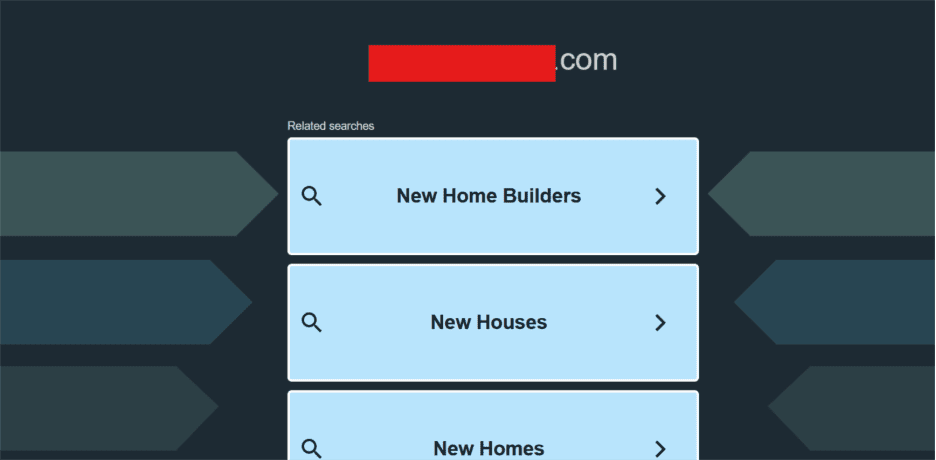
2. Monetized parked domains
These parked domain pages display ads or affiliate links through domain parking services. When visitors click on those ads, the domain owner can generate passive income or ad revenue.
3. Redirection of parked domains
Some parked websites are set up to redirect traffic to a primary website. Businesses use them to capture typo traffic, secure similar names and consolidate visitors across multiple domains.
If someone types [gooogle].[com] by mistake, it’ll automatically redirect to the main site, [google].[com].
4. For-sale parked domains
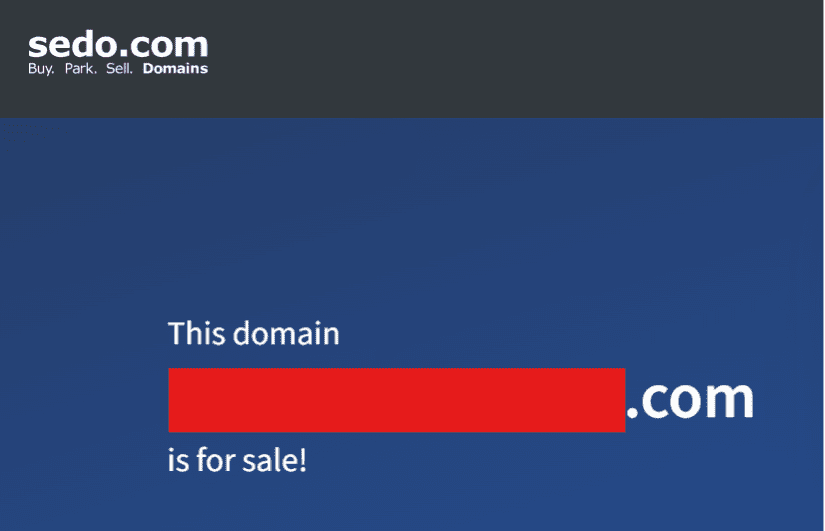
Investors often park keyword-rich or valuable domain names and list them on a domain marketplace like Sedo until a buyer is found.
5. Defensive parked domains
Brands park additional domains to prevent competitors or scammers from registering similar names. This reduces phishing risks and protects the company’s online identity.
Famous marketplace, Amazon owning [amazon].[com] also owns [amazon].[in], [amazon].[ca] and common misspellings like [amzon].[com] to avoid misuse.

How to tell if a domain is parked?
Wondering how to tell if a domain is parked? Here are some ways to identify a parked domain:
1. The website shows a parking page with Ads
If you visit a domain and see a page filled with random Ads or links to unrelated websites, it’s likely parked. However, Google Ads policies prohibit Ads from directing users to such parked domains. It’s because these pages don’t function like legitimate websites. They display advertising listings without offering unique or valuable content.
Additionally, starting in October 2024, new Google Ads accounts will automatically be opted out of serving ads on parked domains.

2. No actual content or a generic placeholder
Some parked domains have simple messages such as ‘Under Construction’ or ‘Coming Soon’. These placeholders indicate that the domain is acting as a parked website until it’s developed.

3. Domain is listed for sale
Many parked domains are registered for investment purposes. If you see a message like ‘This domain is available for purchase!’ or ‘Buy this domain now’, then the domain is parked and available for purchase.

4. WHOIS Lookup shows no active website information
The WHOIS database lets you see domain registration details. If there’s no website owner, no active business email and the hosting status is inactive, the domain is likely parked. Some domains may also show ‘domain is for sale’ or ‘domain registered, no active website’ messages on the WHOIS Lookup.

What are the common uses of parked domains?
People park domains for a variety of strategic reasons. Here are six of the most common ways they’re used to protect assets, build future opportunities or generate passive income:
1. Domain monetization
Some individuals make money with domain parking by displaying Ads or affiliate links. Whenever a visitor clicks on these Ads, the domain owner receives a share of the revenue.
This approach works best for domains that naturally receive direct type-in traffic or contain high-value keywords.
2. Brand protection
Businesses often register multiple variations of their main domain to prevent competitors or impersonators from acquiring them. This helps secure common typos, alternate extensions and country-specific versions.
For example, Bluehost has a primary domain, ‘[bluehost].[com]’ and also owns ‘[bluehost].[com/in]’ and ‘[bluehost].[org]’, which ensures brand consistency and avoids confusion.
3. Traffic redirection
Business owners often redirect parked domains to the main websites. This ensures users reach the correct destination even if they enter a misspelled domain or a similar-sounding name.
It also helps consolidate traffic from multiple domains into one central website for better control and analytics.
4. Future website development
People also park domains when they want to secure them for future use. For example, if you want to start a business and are sure about its name but feel it’s too early to build a website now, you can park that domain. So, no one else can claim it in the meantime.
Domain parking is quite helpful for startups and personal projects.
5. Resale and investment
Some individuals buy domains as an investment. So, they can sell the domain name at a higher price in the future. Until a buyer is found, users can park this domain with a ‘For Sale’ notice or monetize it with Ads.
Valuable or keyword-rich domains often attract investors looking to profit from the domain marketplace.
6. Keep the domain until it expires
If you don’t want to keep your website active, you can disconnect the domain from your site’s IP address and park it until it expires. This prevents it from becoming an expired domain that others can claim until your ownership period ends.
Parking the domain ensures it doesn’t become publicly available or get picked up by someone else until the registration period ends.
What are the disadvantages of parked domains?
While domain parking is useful for brand protection and future use, it also comes with a few limitations that domain owners should be aware of. Understanding these disadvantages helps you manage your parked domain names more effectively.
1. No website content or SEO value
A parked domain isn’t actively connected to a website, so it doesn’t build backlinks, authority or rankings. Search engines ignore parked domain pages because they lack original website content. This means a parked domain won’t help with SEO until you create an active website or redirect traffic to your primary domain.
2. No direct business value until developed
Since the domain doesn’t host a separate website, it cannot support marketing campaigns, customer engagement or conversions. It simply holds the registered domain name without driving meaningful results.
3. Risk of losing ownership if it expires
Parked domains expire if they aren’t renewed on time. If a valuable domain name lapses, someone else can purchase it; sometimes immediately. Losing control of a parked domain can lead to brand confusion or allow competitors to register it. Always keep an eye on the expiration date to avoid losing ownership.
4. Limited user experience
Most domains display a generic placeholder page or basic error message. Visitors who access an unused domain name may assume the brand is inactive or the web page is broken, especially if no “Coming Soon” message is added.
5. Potential security risk if ignored
Even though parked domains are safe when monitored, leaving them unmanaged can allow bad actors to spoof similar domains for phishing or impersonation. Controlling multiple domains helps reduce this risk, but it still requires regular oversight.
6. Minimal returns without traffic
Only some domains generate ad revenue. Unless the domain gets type-in traffic, misspelled domains traffic or keyword-based visits, parking services may not generate passive income. Many parked domains simply sit unused until developed or sold.
7. Ongoing cost without immediate benefit
Although domain parking is cost-effective, you still need to pay for annual domain registrations. If you own multiple domains, these small costs add up, especially when the registered domain isn’t contributing directly to your main site or primary domain name.
How to earn money through domain parking?
Domain parking isn’t just about holding a registered domain name for future use. When done strategically, it can also generate passive income through ads, affiliate links or domain resale. Here are the most common ways to earn passive income from a parked domain.
1. Monetize with ads through domain parking services
Many domain owners use domain parking services to display ads on a parked domain page. These services automatically place relevant ads based on the domain name or visitor intent. When someone visits the unused domain and clicks on an ad, you earn ad revenue. This method works best for keyword-rich or typo-based domains that receive organic traffic without any active website content.
2. Sell your domain on a domain marketplace
Some parked domains are valuable domain assets that investors actively buy and sell. If you own a good domain with strong keywords, brand potential or commercial relevance, you can list it on a domain marketplace such as Sedo. Interested buyers can then make an offer or purchase it outright.
3. Redirect traffic to the primary website
If you own multiple domains related to the same website/business, you can redirect traffic from a parked domain to your primary website. While this method doesn’t generate ad revenue directly, it helps consolidate brand visibility and channel visitors toward your main site.
For businesses that run marketing campaigns, controlling multiple domains ensures that no traffic is lost to competitors or cybersquatters.
4. Lease your domain temporarily
Some domain owners lease unused domain names to startups or small businesses that want a short-term web address without buying it outright. This approach allows you to earn recurring income while retaining full ownership of the registered domain.
How to point your parked domain to the main website with Bluehost?
Whether you’re reserving a domain for future use or redirecting traffic, Bluehost’s user-friendly interface makes domain management hassle-free. If you don’t have a domain yet, register a new domain with Bluehost.
Here’s how you can park a domain in just a few steps:
- Login to your Bluehost Account Manager.

- Go to the ‘Hosting’ section and open ‘cPanel’.

- Now, navigate to the ‘Domains’ section and click on the ‘Domains’ icon.

- Click on ‘Manage’ next to the domain that you want to mark as parked.

- Under ‘Update the domain’, add a folder path where you want your domain to point. For a parked domain, choose ‘public_html’.

- Click on the Update button to point your domain to the main website.
What’s the difference between a parked domain vs. an addon domain vs. a subdomain?
Understanding the difference between parked domains, addon domains and subdomains is essential for managing your website and domain portfolio efficiently. Each serves a different purpose and is used in various scenarios.
Comparison table: Parked vs. addon vs. subdomain
Let’s understand their difference from the comparison table:
| Feature | Parked domain | Addon domain | Subdomain |
| Has its own website? | No | Yes | Yes |
| Shares hosting with the main domain? | Yes | Yes | Yes |
| Displays a placeholder or redirects? | Yes | No | No |
| Used for brand protection? | Yes | No | No |
| Requires separate hosting setup? | No | Yes | No |
In-detailed comparison parked vs. addon vs. subdomain
Here is a detailed break-down of all three types to help you choose the right one for your needs:
Parked domain
A parked domain is a registered domain that doesn’t have an active website but may display a placeholder page. You can also use it to redirect traffic or monetize with Ads.
For example, Bluehost owns ‘[bluehost].[com]’ but has also purchased ‘[bluehost].[org]’ and parked it to protect our brand.
Best use cases
- Protecting brand identity
- Holding a domain for future use
- Redirecting visitors to another website
Addon domain
An addon domain is a fully functional domain that is hosted under the same hosting account as your primary domain. It has its own website and content, separate from the primary domain.
For example, you own [bestshoes].[com] as your main site and add [stylishboots].[com] as an addon domain to host another website.
Best use cases
- Hosting multiple independent websites under the same hosting plan.
- Managing different businesses or projects from a single account.
Subdomain
A subdomain is a subsection of your main domain that operates as a separate part of your website. It usually appears before the primary domain name, such as [blog.example].[com].
For example, you own [example].[com] as your main site and create [blog.example].[com] as a subdomain to host a separate blog section.
Best use cases
- Creating a separate blog or store section for your website.
- Organizing different parts of your business or content strategy.
Also read: What is the Difference Between Addon, Parked and Subdomains?
Does parking a domain affect SEO?
Yes, parking a domain can impact SEO, but not always negatively. The effect largely depends on how you manage the parked domain.
Here are some negative SEO impacts of a parked domain:
- No indexed content: Search engines prefer websites with original, useful content. A parked domain usually has none, so it won’t rank in search results.
- Temporary deindexing by Google: Google may deindex parked domains automatically. It means they won’t show up in search results at all.
- Low authority & no backlinks: Since parked domains don’t have active content, they don’t build backlinks or domain authority, which are crucial for SEO.
- Potential spam issues: If a parked page is filled with low-quality ads or redirects to spammy sites, Google may flag it. This will make it harder to use the domain for SEO in the future.
When parking a domain is not harmful for SEO
Parking a domain isn’t harmful for SEO when:
- You reserve a domain for future use and don’t index it.
- ‘Coming Soon’ or a similar page with minimal content is used.
- The domain has a 301 redirect to an active website.
If you plan to use the domain for a website in the future, it’s best to put up a minimal landing page with helpful content. This helps you avoid getting deindexed and maintain some SEO value.
Note: You can manage these settings via Google Search Console to control indexing status.
How to keep your parked domains secure?
Parking a domain may seem like a simple process, but it’s important to keep your domain secure to prevent unauthorized access, hijacking or misuse. Here are some best practices to ensure your parked domains safe:
1. Use a reputed domain registrar
Always register your domain with a trusted registrar that provides security features, DNS management and customer support. Many domain registrars also offer additional security features, which make it easier to manage your parked domains safely.
Bluehost is one of the reliable domain and web hosting providers. We offer one free domain name for one year with our selected web hosting plans. Plus, you get domain privacy protection, 24/7 expert support and an easy-to-use control panel. Register your domain with Bluehost now and build your online presence today!
2. Lock your domain name
Enabling domain lock prevents unauthorized transfers or changes. This ensures that no one can move your domain away from your control without your permission.
You can enable domain locking from your Bluehost account dashboard.
3. Privately register your domain
WHOIS Privacy Protection hides your contact details from public databases. This reduces the risk of spam identity theft and unwanted solicitations.
Bluehost offers domain privacy protection to keep your information secure.
4. Register your domain name for more than a year
Long-term registration reduces the risk of accidentally losing your domain due to missed renewals. It also signals to search engines that you’re serious about the domain.
Bluehost automatically sets up auto-renewal when you register a domain with us. This ensures your domain remains active.
5. Monitor parked domains for security
Regularly check your parked domains for unauthorized changes, malware or suspicious activity. Use Bluehost’s domain management tools to monitor DNS settings and ensure your parked domain remains under your control.
Also read: How to Install SSL Certificate on Addon or Parked Domains
Final thoughts
Understanding what is a parked domain can help you make smarter decisions about domain management, whether you’re protecting your brand or planning for future projects. While parked domains don’t contribute to SEO rankings, they serve a valuable purpose in securing online assets and preventing cybersquatting.
If you own multiple domains, make sure they’re well-protected with security features like domain locking and privacy protection. And if you’re looking to turn a parked domain into a source of revenue, consider selling it or monetizing it with ads.
With Bluehost, you can easily register, park and manage your domains all in one place. Plus, you get security features and 24/7 expert support for a seamless experience.
Ready to secure your perfect domain? Register your domain with Bluehost now and start building your online presence today!
FAQs
A domain is parked when the registered domain name isn’t actively connected to a website, email service or hosting account. Instead of showing real website content, a parked domain usually displays a placeholder page, an “Under Construction” message or a notice indicating the domain is reserved for future use.
A common example of a parked domain is a registered domain name that only shows a placeholder page or a “This domain is for sale” notice. For instance, if someone registers [besthealthtips].[com] but hasn’t built a website yet, the domain may display ads, a coming soon page or a simple message saying the domain is reserved. Businesses also park variations of their primary domain name.
Yes, parked domains help secure a name for future use, protect your brand and even generate income through ads or resale. They also prevent competitors from registering similar names. For example, a company that owns [example].[com] might also register [example].net or [example].org and keep them parked to protect their brand or redirect traffic later.
Yes, you can monetize parked domains by displaying advertisements through domain parking services. If your domain receives organic traffic, you can earn revenue when visitors click on Ads. Some domain investors also make money by selling high-value parked domains.
To unpark a domain, you need to connect it to a website or hosting service. First, log in to your domain registrar or hosting provider account. Next, update the domain’s nameservers to point to your hosting account. Finally, publish the website or parked domain page.
Parking a domain is usually free if you own the domain. Parking a domain is usually free if you own the domain. But you must pay for domain registration, which typically costs $10-$20 per year. It also depends on the domain extension (.com, .net, etc.). Bluehost offers one free domain for the first year with selected web hosting plans.
No, Google doesn’t index parked domains because they lack original content. However, adding a basic, helpful landing page or implementing a 301 redirect can preserve or improve SEO value.
Parked domains don’t gain authority or backlinks, so Google may remove parked domains from search results. If the domain is used for low-quality ads or redirects, it could be flagged as spam. Without proper development, a valuable domain name may not generate income.
Yes, domain parking is completely legal. Many businesses and investors park domains to hold them for future use, earn Ad revenue or resell them. However, buying domains that infringe on trademarks (cybersquatting) is illegal in many countries.
You can park a domain for as long as you maintain ownership. Just make sure it’s renewed regularly. Ideally, it’s best to enable auto-renewal to prevent it from expiring and becoming available to others.


Write A Comment